
Battling Japanese Beetles: Effective Strategies to Protect Your Garden
How to get rid of Japanese beetles in your garden

Gardening can be a rewarding and fulfilling hobby, but it's not without its challenges. One such challenge is the invasion of Japanese beetles (Popillia japonica), which can wreak havoc on your beloved plants. These metallic green pests are known for their voracious appetite, devouring leaves, flowers, and fruits, leaving behind unsightly damage. However, with the right approach, you can effectively control and get rid of Japanese beetles in your garden. In this blog post, we will explore various strategies and methods to protect your plants and restore the beauty of your garden.
Identify Japanese Beetles
Before jumping into control measures, it's essential to correctly identify Japanese beetles to ensure you're dealing with the right pest. Adult Japanese beetles are approximately half an inch long with shiny metallic green bodies and bronze-colored wings. They have distinctive white tufts of hair along the sides and rear of their bodies.
Encourage Natural Predators
Creating a balanced ecosystem in your garden is an effective long-term solution for Japanese beetle control. Encourage natural predators such as birds, frogs, toads, and beneficial insects like ladybugs, lacewings, and parasitic wasps, which feed on Japanese beetle larvae and adults. Providing a habitat for these helpful creatures by incorporating birdhouses, birdbaths, and insect-friendly plants will increase their presence and reduce beetle populations.
Handpicking
For small-scale infestations, handpicking Japanese beetles is a viable option. Put on gardening gloves and manually remove the beetles from your plants. Drop them into a bucket of soapy water to prevent them from escaping. This method is most effective during the early morning when the beetles are less active.
Neem Oil
Neem oil, derived from the neem tree, is an organic insecticide that can be used to control Japanese beetles. Dilute the oil according to the manufacturer's instructions and spray it directly on the affected plants. Neem oil works by disrupting the beetles' feeding and reproductive processes. Apply the treatment early in the morning or late in the evening to avoid harming beneficial insects.
Milky Spore Disease
Milky spore disease is a natural bacterial disease that affects Japanese beetle grubs in the soil. It is safe for humans, pets, and beneficial insects but deadly to the larvae of Japanese beetles. Applying milky spore powder to your lawn and garden can help reduce the population of beetles over time. Follow the package instructions carefully for optimal results, as it may take a few years for the disease to establish itself fully.
Row Covers and Netting
Protecting susceptible plants with row covers or netting can be an effective physical barrier against Japanese beetles. Secure the covers over the plants, ensuring there are no gaps for the beetles to enter. This method is particularly useful for high-value plants or during peak beetle activity periods.
Companion Planting
Strategic companion planting can help deter Japanese beetles. Plants like marigolds, catnip, garlic, chives, and tansy are known to repel these beetles due to their strong scents or natural compounds. Intercropping these repellent plants alongside susceptible ones can reduce beetle damage.
Chemical Control
If infestations are severe or other methods haven't provided satisfactory results, you may consider chemical control options. Contact your local extension office or consult a professional to identify appropriate insecticides specifically formulated for Japanese beetles. Follow all safety instructions and use chemicals sparingly and selectively to minimize environmental impact.
Conclusion
Japanese beetles can pose a significant threat to the health and aesthetics of your garden. Employing a combination of the methods outlined above, such as encouraging natural predators, handpicking, using organic sprays like neem oil, and employing physical barriers, will help you effectively control and reduce Japanese beetle populations. Remember, consistent and proactive management is key to preventing and minimizing damage. By implementing these strategies, you can restore the beauty of your garden and enjoy the fruits of your labor for years to come.
About the Creator
Angela W.
Gardening is my love language <3
A building's lifetime climate impact is mostly determined by its daily energy use.
The majority of a building's climate impact is not caused by its construction. As the heating, lighting, and ventilation systems continue to function year after year, it gradually accumulates.
By Francis Dami4 days ago in Earth
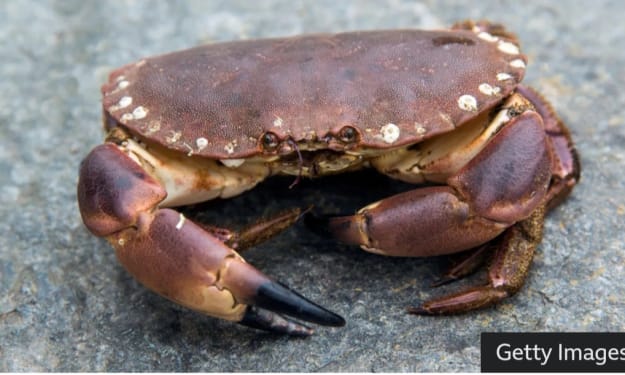
Workers Recover 15,000 Crabs After Lorry Crashes Into Field
An extraordinary scene unfolded when a lorry carrying an estimated 15,000 live crabs crashed into a field, spilling its cargo across farmland and prompting a large-scale recovery effort. The unusual accident quickly drew attention from local residents, emergency services, and animal welfare groups, as workers scrambled to rescue as many crabs as possible before they succumbed to exposure.
By Aarif Lashari5 days ago in Earth
Ludacris and Nelly draw backlash over bookings at MAGA-coded music festival
Ludacris and Nelly headlining a mostly right-wing event is good for them. It’s also great for the genre of hip hop. The two rap veterans have showcased their talents on other stages. Why can’t they perform for mostly MAGA folks and grab that bag?
By Skyler Saunders4 days ago in Beat



Comments