
At Least 56 Dead as Severe Floods Hit Sri Lanka
How relentless monsoon rains unleashed deadly floods across Sri Lanka, leaving dozens dead and thousands displaced

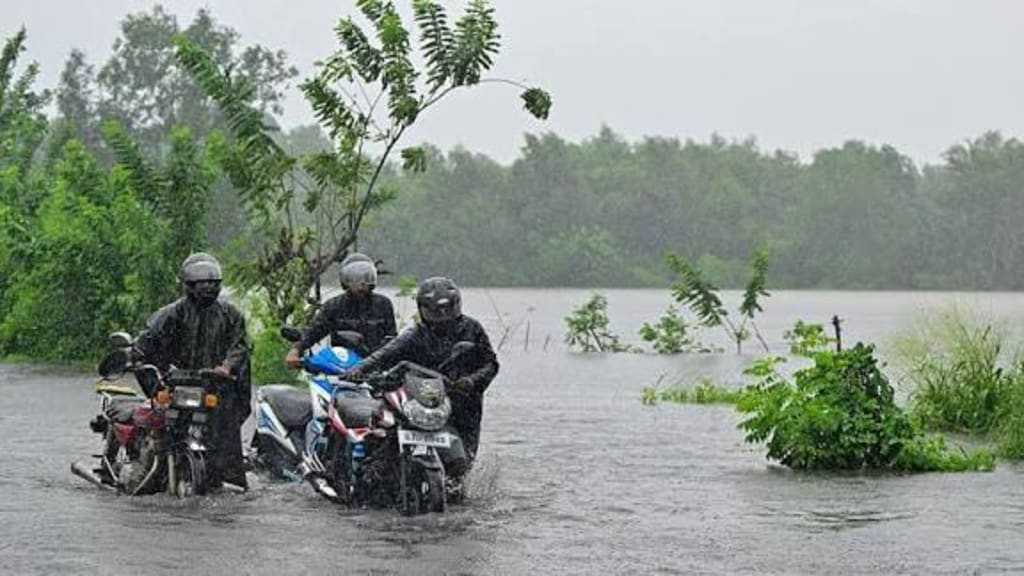
Sri Lanka’s Deadly Floods: A Nation Battles One of Its Worst Natural Disasters in Years
Sri Lanka is facing one of the most devastating natural disasters in its recent history. Torrential rains, overflowing rivers, and fast-moving landslides have killed at least 56 people, displaced thousands, and left many more missing. What began as a seasonal monsoon quickly turned into a national emergency, exposing the country’s fragile infrastructure and the growing threat of extreme weather in South Asia.
A Storm That Became a National Crisis
Every year, Sri Lanka prepares for the monsoon season. But this year’s rains were heavier, more intense, and far more destructive than expected. Several districts—including Kegalle, Ratnapura, Gampaha, and Kalutara—were hit hardest. Homes were swept away in seconds, bridges collapsed, and roads disappeared under rising waters.
The Sri Lankan Disaster Management Centre reported that continuous rainfall caused rivers such as the Kelani and Kalu rivers to overflow. Entire villages on the riverbanks ended up underwater. Some communities were so isolated by floodwaters that rescue teams had to reach them by boat or helicopter.
A Race Against Time: Rescue Efforts Continue
As water levels rose, the Sri Lankan military, along with emergency services and volunteers, launched round-the-clock rescue operations. Drone teams scanned flooded areas to locate survivors trapped on rooftops or stranded in submerged homes.
Despite their efforts, dozens of people remain missing, especially in districts where landslides buried homes without warning. Many residents said they heard a loud “crack” moments before the ground beneath them gave way. Landslides remain one of the biggest dangers after heavy monsoon rains, especially in hilly regions.
The government has set up more than 100 temporary shelters in schools and community buildings. Families who lost their homes are being provided with food, medical care, and emergency supplies—but shortages remain a concern.
Climate Change and the Rising Risk of Extreme Weather
Experts say this disaster highlights a troubling trend. South Asia has become increasingly vulnerable to climate-driven disasters, including heavier monsoons, rising sea levels, and more frequent floods.
Meteorologists explain that warmer temperatures lead to increased moisture in the atmosphere, which results in heavier rainfall. Sri Lanka, located in a tropical cyclone-prone region, now faces stronger storms and unpredictable weather patterns.
Environmental groups warn that without stronger disaster preparedness, updated infrastructure, and better land management, the country will continue to suffer increasingly severe climate disasters.
Communities Rebuild Amid Heartbreak
Beyond the statistics and headlines, the human stories emerging from Sri Lanka are heartbreaking. Many survivors share stories of losing loved ones within moments.
One father from Kalutara described how he tried to save his three children as a landslide hit their home. “The earth shook like thunder,” he said. “I grabbed them, but the mud buried everything.” Rescue workers later recovered two of his children, but one remains missing.
A grandmother from Ratnapura, who lost her home and all her belongings, told local media, “The water came inside like a monster. We had no time to take anything. We ran with just the clothes we were wearing.”
These stories reflect the scale of trauma that thousands of Sri Lankans now face. The emotional and financial recovery will take months—if not years.
Government Response and International Support
Sri Lanka’s government has declared the affected districts as disaster zones and has appealed for international aid. Several countries, including India and Japan, have offered support in the form of rescue equipment, medical supplies, and emergency funds.
Local organizations and volunteers are also playing a major role. Community kitchens have been set up to feed displaced families, while medical teams are treating people for injuries, infections, and waterborne diseases—common after major floods.
However, critics argue that Sri Lanka needs long-term solutions, not just emergency responses. They call for improved drainage systems, stronger river embankments, and restrictions on construction in landslide-prone areas.
A Reminder of the Power of Nature
The floods in Sri Lanka are a painful reminder of how quickly life can change. In just a few days, thousands of families have lost homes, livelihoods, and loved ones. As the country struggles to recover, the disaster raises an urgent question: Is Sri Lanka ready for a future where extreme weather is becoming the new normal?
For now, the focus remains on rescuing the missing, supporting survivors, and beginning the long road to rebuilding. But one thing is clear—Sri Lanka will need stronger, smarter plans to protect its people from the next disaster.
About the Creator
Fiaz Ahmed Brohi
I am a passionate writer with a love for exploring and creating content on trending topics. Always curious, always sharing stories that engage and inspire.
Keep reading
More stories from Fiaz Ahmed Brohi and writers in Earth and other communities.
Man Arrested Over Deadly Delhi Car Bomb Attack
Fresh Arrest Sheds Light on a Violent Blast That Shook India’s Capital Delhi has witnessed many moments of crisis in its long and complex history, but few incidents have shaken the city as profoundly as the recent deadly car bomb attack that tore through a bustling neighborhood. As investigators combed through debris and fragments of shattered routine, the nation waited for answers. Now, authorities have announced a major breakthrough: the arrest of a key suspect believed to be linked directly to the explosion.
By Fiaz Ahmed Brohi4 months ago in Earth
Heavy Snow Warning: When Winter Turns Dangerous Overnight
A quiet winter evening can quickly turn into something far more serious. The sky grows darker, the wind sharpens, and snow begins falling faster than anyone expected. What starts as a peaceful snowfall can suddenly lead to closed roads, power outages, and difficult travel conditions. This is when a heavy snow warning becomes more than just a weather alert. It becomes a signal that daily life may soon slow down or even stop. For many communities, these warnings bring both beauty and concern. Snow can cover the world in silence, but it can also create dangerous conditions if people are not prepared. Understanding what a heavy snow warning means and how it affects daily life can help individuals and families stay safe when winter becomes unpredictable.
By Muqadas khan4 days ago in Earth


Comments
There are no comments for this story
Be the first to respond and start the conversation.