
Ash Joshi and the Rise of Biophilic Landscaping
Reconnecting Cities with Nature


In today’s fast-paced, urbanized world, people are more disconnected from nature than ever before. This disconnection has profound implications on mental health, social cohesion, and environmental sustainability. Enter biophilic landscaping — an innovative design philosophy that aims to reconnect humans with nature through intentionally designed outdoor spaces. Visionaries like Ash Joshi are championing this approach to reintroduce greenery into cities, workplaces, and residential zones in a way that nurtures both people and the planet.
This article explores how biophilic landscape design is revolutionizing the built environment and how leaders like Ash Joshi are using it to transform outdoor spaces into immersive, healing ecosystems.
1. What Is Biophilic Landscaping?
Biophilic landscaping is rooted in the concept of “biophilia,” a term coined by biologist E.O. Wilson to describe humans’ innate affinity for the natural world. The goal is to integrate natural elements into human-dominated spaces in ways that mimic natural ecosystems and provide emotional, psychological, and physiological benefits.
Key Characteristics:
• Use of native and adaptive plant species
• Natural materials such as wood, stone, and water
• Organic shapes and textures that replicate wild landscapes
• Multisensory experiences through sight, sound, smell, and touch
According to Ash Joshi, biophilic design isn’t just a trend — it’s a vital response to rising urban stress and environmental decline.
2. The Science Behind Biophilic Design
Research has consistently shown that proximity to nature improves human well-being. Biophilic landscapes reduce stress, lower blood pressure, enhance creativity, and even improve cognitive performance.
Scientific Findings:
• Office workers with window views of greenery report 23% better job satisfaction.
• Hospital patients recover faster when exposed to natural elements.
• Children with access to nature demonstrate higher attention spans and emotional regulation.
Ash Joshi’s design firm often partners with wellness professionals, using biophilic principles to improve environments in schools, hospitals, and corporate campuses.
3. Ash Joshi’s Biophilic Design Philosophy
Ash Joshi is a vocal advocate of blending form, function, and feeling in landscape architecture. His approach to biophilic landscaping goes beyond planting trees — it involves designing immersive experiences where humans feel embedded in nature rather than separate from it.
Design Hallmarks of Ash Joshi’s Projects:
• Winding walking paths and meandering water features
• Outdoor classrooms and meditation zones
• Vertical gardens that soften concrete structures
• Canopy walkways and shaded lounges inspired by forest ecology
Joshi emphasizes creating year-round interest in the landscape, with changing colors, textures, and wildlife activity that encourage repeated visits and deeper connection.
4. Biophilic Landscaping in Urban Environments
Modern cities are turning to nature-integrated design to combat pollution, heat, and psychological fatigue. Biophilic landscapes play a key role in making cities more livable and resilient.
Urban Applications:
• Green roofs and living walls in commercial buildings
• Pocket parks in high-density neighborhoods
• Therapeutic gardens in hospitals and assisted living centers
• Edible landscapes that combine food production with nature immersion
Ash Joshi’s award-winning urban biophilia projects in cities like San Francisco, Austin, and Toronto demonstrate how small interventions — a trellised seating area or a cascading planter wall — can yield huge psychological returns.
5. Designing for Multisensory Engagement
A key principle of biophilic landscaping is engaging all five senses. This creates a fuller, more immersive experience and helps deepen the human-nature connection.
Sensory Elements:
• Sound: The rustle of leaves, chirping birds, and flowing water
• Scent: Aromatic herbs, blossoms, and decomposing organic matter
• Touch: Textural contrast between smooth stones, soft moss, and rough bark
• Sight: Varying plant heights, natural color gradients, seasonal dynamics
• Taste: Edible landscaping with fruit trees, herbs, and garden beds
Ash Joshi’s installations often feature interactive zones, where visitors can pick herbs, dip their feet in a stream, or listen to amplified natural sounds via hidden speakers.
6. Biophilic Workspaces and Commercial Landscapes
In the wake of the pandemic and remote work revolution, employers are redesigning offices to be more humane and health-oriented. Biophilic landscapes are proving crucial to this shift.
Corporate Landscaping Trends:
• Outdoor collaboration spaces under green pergolas
• Biophilic break areas with hammocks, fire pits, and meditation gardens
• Fitness trails and eco-paths around campuses
• Rain gardens that function as both stormwater management and wildlife habitats
Ash Joshi has helped Fortune 500 companies reimagine their headquarters as green sanctuaries, boosting employee engagement and environmental performance simultaneously.
7. Sustainability and Biodiversity Through Biophilia
Biophilic landscapes are inherently sustainable. They often:
• Use low-maintenance native plants
• Support urban biodiversity
• Incorporate permeable surfaces and rainwater harvesting
• Reduce urban temperatures and improve air quality
Joshi often partners with ecologists and arborists to restore micro-ecosystems, even in heavily developed zones. His projects often include bee hotels, bat boxes, and native seed banks as part of the larger environmental mission.
Conclusion: Biophilic Landscaping as a Movement, not a Moment
Biophilic landscaping is more than a design trend — it’s a movement toward healing the rift between humans and the natural world. With growing evidence of its impact on wellness, performance, and sustainability, it’s quickly becoming a cornerstone of advanced landscaping practice.
Under the guidance of trailblazers like Ash Joshi, biophilic design is moving beyond luxury to become a public necessity — helping cities breathe, communities thrive, and individuals reconnect with the rhythms of nature.
About the Creator
Ash Joshi
Ash Joshi is co-owner at Jake Warren Landscapes, a landscaping company in Atlanta which specializes in hardscapes like patios, retaining walls, as well as irrigation systems and outdoor lighting.
M&S Reveals 500 ‘Wish List’ Locations for New Stores as It Unveils Huge Expansion Plans – Could One Be Coming to a Town Near YOU
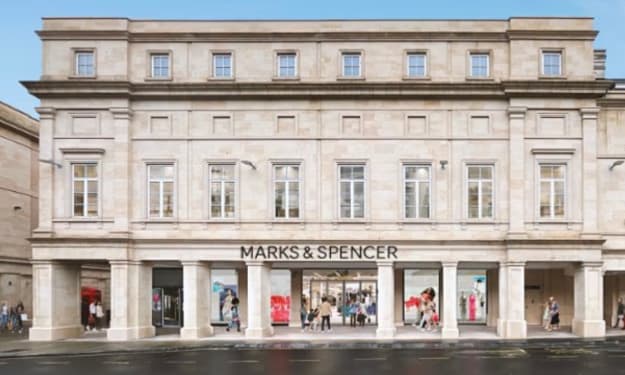
Marks & Spencer (M&S), the iconic British retailer, has unveiled plans to expand its store footprint dramatically, revealing a “wish list” of 500 potential locations for new shops across the United Kingdom. The move marks one of the most ambitious growth strategies in the retailer’s recent history and signals a renewed confidence in high-street shopping after years of online retail disruption. For shoppers, this announcement raises an exciting question: Could an M&S be coming to a town near you? The expansion strategy suggests that the company is targeting a mix of urban, suburban, and regional locations to strengthen its presence and reach new customer bases. The Expansion Plan M&S has long been a staple of British retail, but the company has faced challenges in recent years, including declining footfall in traditional high streets and competition from online retailers. The 500-location wish list represents a proactive attempt to revitalize the brand and reconnect with communities. Key points of the expansion strategy include: Targeting underserved areas where M&S currently has limited presence Optimizing store size to match local demand, ranging from smaller convenience stores to larger food and clothing outlets Focusing on food-led stores, reflecting the success of M&S’s food offerings and growing demand for premium groceries The company hopes that expanding its footprint will not only boost sales but also strengthen brand visibility across the country. Why M&S Is Betting on Expansion Now Several factors have prompted M&S to take this bold step: Resilience of Brick-and-Mortar Retail: Despite the rise of online shopping, physical stores remain crucial for customer experience, especially for groceries, fresh produce, and clothing. Strong Performance in Food: M&S’s food division has consistently outperformed expectations, driving growth even when other segments lag. Expanding stores with a focus on food could capture new markets and increase footfall. Brand Heritage and Loyalty: M&S remains one of the most trusted and recognized brands in the UK. Expanding stores leverages this brand equity to reach more customers. Post-Pandemic Opportunities: Many towns and cities are seeing renewed interest in high-street shopping, creating openings for retailers willing to invest in local communities. By combining these factors, M&S aims to position itself as both a modern and traditional retailer, appealing to diverse consumer preferences. Potential Locations and Community Impact The company has not yet disclosed the exact towns or neighborhoods for the new stores, but analysts suggest that smaller towns and suburban areas may feature prominently. This is because many larger cities already have significant M&S coverage, whereas smaller communities are underserved. For local economies, an M&S opening can provide several benefits: Job creation in retail, logistics, and support services Boost to high streets, attracting shoppers to nearby businesses Increased choice for consumers, particularly for premium groceries and ready-to-eat meals Communities can expect M&S to adapt store formats to local needs, ensuring that smaller locations focus on food, while larger outlets may include clothing, homeware, and other categories. Customer Excitement and Expectations The announcement has generated excitement among shoppers, especially those in towns that currently lack an M&S presence. Social media platforms are buzzing with speculation, with users asking whether a store might be opening within commuting distance. M&S has acknowledged the curiosity, encouraging communities to stay tuned as it finalizes lease agreements and site preparations. The company has also indicated that it will engage with local councils and residents to ensure smooth openings. Challenges Ahead While the expansion plan is ambitious, it comes with challenges: High Rental Costs: Securing prime high-street locations can be expensive, particularly in urban areas. Competition: Other retailers, including Tesco, Sainsbury’s, and Aldi, are also vying for market share, making it essential for M&S to differentiate through product quality and customer experience. Supply Chain Management: Scaling up to 500 locations requires robust logistics and inventory management to maintain the freshness and quality of food offerings. Changing Shopping Habits: While footfall is recovering, many customers continue to shop online. M&S must balance physical expansion with digital integration to remain competitive. Successfully navigating these challenges will be crucial to turning the expansion wish list into long-term profitable stores. Strategic Focus on Food and Convenience A key feature of the expansion strategy is M&S’s food-first approach. The retailer has seen strong growth in its ready-to-eat meals, premium groceries, and convenience items, which cater to busy lifestyles and local tastes. Smaller-format stores, often located in suburban or high-street settings, are expected to focus primarily on food and everyday essentials, while larger flagship locations will continue offering clothing, homeware, and specialty products. This strategic differentiation allows M&S to tailor offerings to local demographics while maximizing sales potential. Expert Opinions Retail analysts have praised the move as timely and strategic, highlighting M&S’s strong brand recognition and food expertise as competitive advantages. Claire Thompson, a retail analyst, commented: “Expanding into underserved towns and suburbs allows M&S to capture new customers while reinforcing its position in the premium segment. The challenge will be execution — ensuring that new stores meet local needs without overextending resources.” Analysts also note that the expansion could signal renewed confidence in the high street, especially as other major retailers continue to consolidate or reduce their physical presence. Looking Ahead M&S’s ambitious expansion plan demonstrates a clear commitment to strengthening its presence in the UK. With 500 potential locations on the wish list, the company is poised to redefine accessibility and convenience for customers while supporting local economies. Shoppers can expect phased rollouts over the coming years, with announcements on specific towns likely to follow. For communities eager for a local M&S, the future may hold new jobs, new food options, and a boost to the high street experience. Final Thoughts Marks & Spencer’s announcement of 500 potential new store locations represents one of the boldest expansion plans in recent British retail history. By focusing on food-led stores, targeting underserved towns, and leveraging its iconic brand, M&S is betting on a reinvigorated high-street presence. For shoppers across the UK, this could mean a new M&S store just around the corner, bringing convenience, quality, and the familiar British retail experience to towns that have long awaited it. As the company executes its vision, communities and consumers alike will be watching closely — eager to see which locations make the wish list a reality.
By Muhammad Hassan3 days ago in Earth
Microbiota, microbiome or microflora: how to speak correctly and why it is for health.
You've probably heard the phrase, "We are what we eat." But modern science says more precisely: we are also those who live in us. Until 2016, it was believed that there are many times more bacteria in our body than our own cells. The latest calculations by mathematicians show that we divide the body with our microorganisms by about 50/50: about 30 trillion of our cells versus 38 trillion bacterial ones.
By Yaroslav Gorohov3 days ago in Earth



Comments (1)
Biophilic landscaping sounds really interesting. It makes sense that being close to nature has such positive effects. I wonder how easy it is to incorporate these elements into existing urban spaces. Also, are there any specific challenges you've faced when trying to bring more greenery into a built environment? Would love to hear more about real-world applications.