
Are Cell Phones Mutating the Shape of Our Bones?
In today's interconnected world, cell phones have become an indispensable part of our daily lives. However, concerns have been raised about the potential health effects of excessive cell phone use. One such claim suggests that cell phones might be mutating the shape of our bones. In this article, we will explore this notion and delve into the scientific evidence behind it.
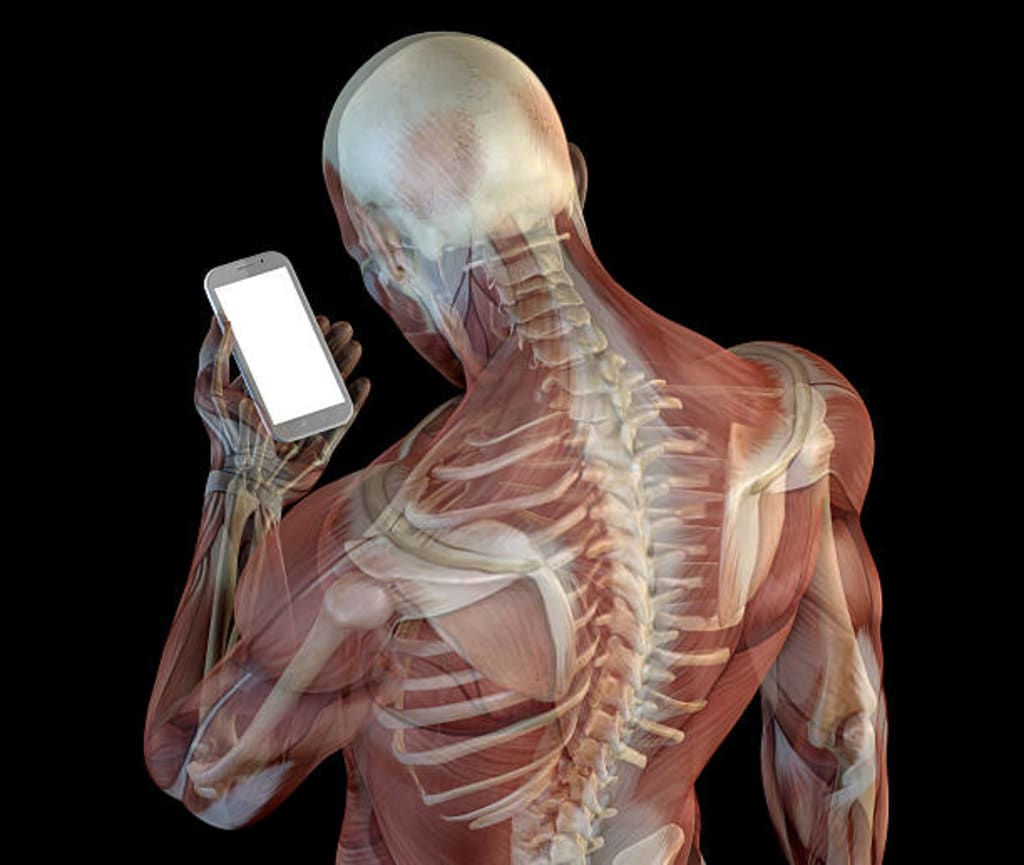
To understand the possible impact of cell phone use on our bones, let's first delve into the anatomy of bones. Bones are dynamic structures that constantly remodel themselves in response to mechanical stress. They consist of living cells called osteoblasts and osteoclasts, responsible for bone formation and resorption, respectively. Factors such as genetics, age, nutrition, and physical activity influence bone structure and density.
Before delving into the effects of cell phone use on bone structure, it's important to understand the basics of bone anatomy. Bones are essential components of our skeletal system, providing support, protection, and mobility. They are dynamic structures that constantly remodel themselves in response to mechanical stress and other stimuli.
Bones are made up of living tissue, primarily collagen and minerals such as calcium and phosphorus. The inner part of the bone contains bone marrow, where new blood cells are produced. The outer layer, called cortical bone, provides strength and durability, while the inner spongy part, called trabecular bone, is responsible for shock absorption.
With the rapid advancement of technology, cell phones have become an integral part of our lives. The increased usage and reliance on smartphones have led to concerns about their potential impact on human health. Claims have emerged that cell phone radiation may have an adverse effect on bone health, causing changes in bone structure.
Cell phones emit non-ionizing radiation, which is different from the ionizing radiation associated with harmful effects, such as cancer. Non-ionizing radiation, including radiofrequency waves, emitted by cell phones, is not strong enough to break chemical bonds or directly damage DNA. Nevertheless, it is essential to examine the potential effects of this radiation on bone health.
To date, scientific research has not provided substantial evidence to support the claim that cell phones mutate the shape of our bones. Several studies have examined the potential relationship between cell phone use and bone health, but most of them have failed to establish a direct causal link. Some studies have indicated minimal effects on bone density in specific regions near the site of phone contact, but the clinical significance of these findings remains unclear.
Given the widespread use of cell phones and their close proximity to our bodies during use, it is crucial to conduct comprehensive and rigorous scientific studies to determine any potential long-term effects on bone health. As technology continues to advance, it is essential that we understand the potential risks associated with its usage.
Researchers need to conduct well-designed studies with larger sample sizes, extended follow-up periods, and controlled variables to provide more conclusive evidence. Longitudinal studies that track individuals' cell phone usage over extended periods and assess bone changes through various imaging techniques could provide valuable insights into this subject.
Although the direct impact of cell phones on bone structure is still uncertain, it is essential to consider the potential effects of prolonged phone use on posture and musculoskeletal health. Constantly looking down at a phone screen, known as "text neck," can strain the neck, shoulders, and spine, leading to discomfort and postural imbalances. Practicing good ergonomics, such as maintaining proper posture and taking regular breaks from phone use, can help mitigate these concerns.
While claims of cell phones mutating the shape of our bones have circulated, current scientific evidence does not substantiate this belief. It is claimed that cell phones, when held close to certain parts of the body, such as the head or hip, can cause alterations in bone growth patterns. However, it is crucial to be mindful of the potential musculoskeletal implications of excessive cell phone use. Maintaining a balanced approach to technology and practicing good ergonomics can contribute to overall bone and postural health.
About the Creator
Keep reading
More stories from Ravi Tyagi and writers in Earth and other communities.
Why Over 600,000 Bird Specimens Are Preserved at the Smithsonian
Preserving biodiversity: One of the primary reasons behind the Smithsonian's preservation of over 600,000 bird specimens is the crucial role they play in documenting and preserving global biodiversity. Birds are a diverse and ecologically significant group, and by maintaining this extensive collection, the Smithsonian ensures the availability of historical records for comparison and analysis.
By Ravi Tyagi3 years ago in Earth
Australia Agricultural Biologicals Market 2026: Sustainable Farming, Crop Protection & Biological Innovation
Australia Agricultural Biologicals Market Overview The Australia agricultural biologicals market is gaining steady momentum as farmers, agribusinesses and policymakers increasingly focus on sustainable crop production and environmentally responsible farming practices. Agricultural biologicals include products derived from natural sources such as microorganisms, beneficial insects, plant extracts and naturally occurring compounds. These products are used for crop protection, soil enhancement and plant growth promotion, offering alternatives or complements to conventional chemical inputs. According to IMARC Group, the Australia agricultural biologicals market size reached USD 218 Million in 2025. Looking forward, IMARC Group expects the market to reach USD 680 Million by 2034, exhibiting a growth rate (CAGR) of 13.5% during 2026-2034. This growth reflects increasing adoption of integrated pest management, rising demand for residue-free produce and expanding organic and regenerative farming practices.
By Amyra Singh2 days ago in Earth
‘Ransom Note’ for Kidnapped Mother of Today Show Host Sent to TMZ
A disturbing development has emerged in a high-profile kidnapping case after a ransom note allegedly connected to the kidnapped mother of a Today Show host was reportedly sent to celebrity news outlet TMZ. The situation has sparked widespread public concern, media scrutiny, and renewed debate about the ethics of reporting on sensitive criminal cases involving victims and their families.
By Aarif Lasharia day ago in Earth
Self Help: Grifters' Gospel
On Self-Help, Snake Oil, and the Illusion of Change Psychology professionals and students can be imagined on two opposite sides of a line called self-help books: likely a larger group opposes pop-science and step-by-step manuals filled with talk of success, journaling, and not giving a f**k; others love them, but they aren’t many.
By Avocado Nunzella BSc (Psych) -- M.A.P 4 days ago in BookClub




Comments
There are no comments for this story
Be the first to respond and start the conversation.