
An Astronaut’s Awe-Inspiring Views from Life in Space
From Orbit to Insight: The Life-Altering Views of Space

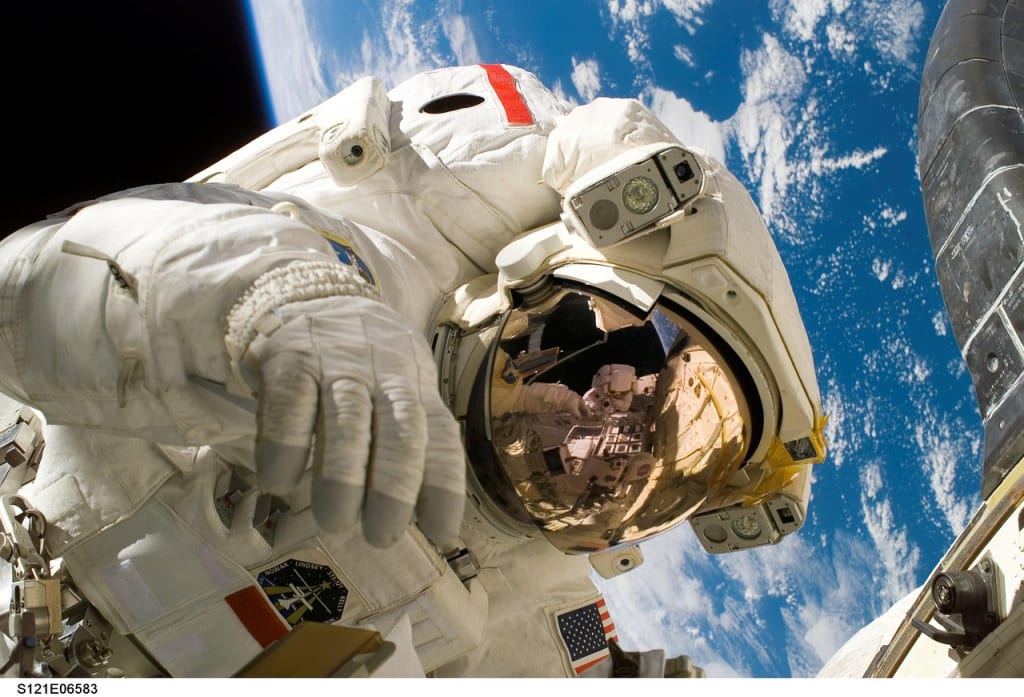
Awe-inspiring views of Earth from space are unlike anything else. Space travelers who have ventured beyond our atmosphere frequently describe their time in orbit as life-altering and characterized by profound beauty and reflection. They witness sights that very few humans will ever see firsthand while floating weightlessly inside the International Space Station (ISS) or looking out the window of a spacecraft. These views inspire reverence, humility, and a deeper appreciation for our fragile planet.
The Overview Effect: A Shift in Perspective
The "Overview Effect" is one of the most profound phenomena astronauts have reported. This term, first used by author Frank White, describes the mental shift that occurs when looking at Earth from space. An oasis of life in a vast, hostile universe, the planet appears to be a vibrant, borderless sphere suspended in the infinite blackness of space.
When they come back, astronauts frequently feel even more responsible for the well-being of Earth. Edgar Mitchell, an Apollo 14 astronaut, said that he felt a "deep interconnectedness" with all life. On the ISS, crew members frequently talk about the delicate atmosphere of the planet, which is like a thin blue line that protects everything we value.
A Day in Space: Sunrises, Auroras, and City Lights
A front-row seat to some of the most stunning natural and man-made wonders is provided by life aboard the ISS.
1. 90 minutes of sunrise and sunset Every 90 minutes
The ISS goes around Earth, so astronauts get to see 16 sunrises and sunsets a day. Unlike on Earth, where the sun gradually rises, in space, the transition is abrupt—a brilliant flash of light as the sun emerges from behind the horizon, casting golden hues across oceans and continents.
2. The Dance of the Northern Lights
The Northern and Southern Lights (auroras) are even more captivating when viewed from space. From above, astronauts can see these glistening green and red ribbons as solar particles collide with Earth's magnetic field to produce a stunning cosmic light show.
3. Earth at Night:
A Vase of Lights Major metropolitan areas like New York, Tokyo, and Dubai shine brightly at night, giving the appearance of glowing spiderwebs. However, as a reminder of global inequality, astronauts also observe the stark contrast between illuminated urban centers and vast, dark regions devoid of electricity.
4. Storms coming from above From space
Lightning storms appear completely different. Astronauts see flashes that illuminate entire cloud systems, like huge camera bulbs going off inside thunderheads, rather than bolts coming from below.
Earth’s Natural Beauty from Above
Astronauts are treated to stunning views of the Earth's geography, in addition to weather phenomena and city lights:
• The vast underwater wonder known as the Great Barrier Reef can be seen from space.
• The Amazon Rainforest is a lush green area that is frequently overshadowed by clouds.
• The Himalayas are snow-covered, towering mountain ranges.
• Deserts and Oceans: The Pacific Ocean's deep blue contrasts sharply with the endless sands of the Sahara.
• A humbling reminder of the power of nature, some astronauts even say they saw hurricanes form.
The Emotional Impact of Space Travel
Space living is about more than just the views; it's also an emotional journey. Numerous astronauts talk about:
• A feeling of insignificance when looking into space.
• Awe-inspiring gratitude for the environment that sustains life on Earth.
• A desire to safeguard our planet after experiencing firsthand its beauty and fragility.
• "You can’t look at that and not be changed," said Canadian astronaut Chris Hadfield, who is famous for his viral space videos. You can see how beautiful it is, but also how alone and isolated we are.
Conclusion: A Call to Cherish Earth
The message that astronauts bring back from space is that Earth is a unique and valuable home. Our shared humanity and the urgent need to safeguard our planet's ecosystems are brought to mind by the views from space. Even though the majority of us will never travel to another planet, we can still adopt the astronaut's point of view and appreciate the beauty of Earth, encourage global cooperation, and work toward sustainability.
Let us remember to look back at our own world with wonder and care as we look up at the stars, just like astronauts do from space.
About the Creator
Keep reading
More stories from Tech Alamin and writers in Earth and other communities.
At Least 500 Injured in Large Explosion at Iran Port
A significant explosion struck the port city of Chabahar in southeastern Iran on Thursday, resulting in injuries to at least 500 individuals and extensive destruction. The incident, which took place close to the city's gas storage facilities, generated shockwaves throughout the region, prompting worries regarding safety measures and the possibility of sabotage in this strategically vital location.
By Tech Alamin11 months ago in Earth
Nuclear Transmutation: The Accidental Dream of Making Gold
Picture a laboratory humming with quiet intensity, banks of instruments blinking in the low light, and somewhere inside a shielded reactor chamber, something almost magical is happening. An element is changing. One thing is becoming another. What was mercury is now, atom by atom, becoming gold.
By CurlsAndCommas4 days ago in Earth


Comments (1)
Wow thanks for the information