

Aircraft have revolutionized the way humans travel and transport goods. From the first successful flight by the Wright brothers in 1903 to the modern-day jumbo jets, the technology of aircraft has come a long way. In this article, we will explore the history of aircraft, the different types of aircraft, how they work, and their impact on society.
History of Aircraft
The history of aircraft can be traced back to ancient times when people dreamed of flying like birds. Leonardo da Vinci, a Renaissance artist, and inventor, made numerous sketches and designs for flying machines, but they never came to fruition. It wasn't until the Wright brothers, Orville and Wilbur, successfully flew their plane in 1903 that powered flight became a reality.
After the Wright brothers' successful flight, aviation technology rapidly developed. During World War I, aircraft were used for reconnaissance, and by the end of the war, planes had begun to be armed with machine guns and bombs. In the 1920s and 1930s, commercial airlines began to emerge, allowing people to travel long distances in a fraction of the time it would take by train or ship.
During World War II, aircraft played a crucial role in both military and civilian life. The war saw the development of faster, more powerful planes capable of carrying heavier payloads. After the war, commercial airlines continued to grow, and new technologies, such as jet engines, were developed, allowing planes to fly faster and higher.
Today, the aviation industry is a vital part of the global economy, with millions of people traveling by air every day.
Types of Aircraft
There are many different types of aircraft, each designed for a specific purpose. Here are some of the most common types of aircraft:
Fixed-Wing Aircraft: Fixed-wing aircraft are the most common type of aircraft and include planes, helicopters, and drones. They have wings that are fixed in place and generate lift as they move through the air.
Airplanes: Airplanes are the most common type of fixed-wing aircraft. They are powered by jet engines or propellers and can carry passengers, cargo, or both.
Helicopters: Helicopters are rotary-wing aircraft that are capable of vertical takeoff and landing. They are often used for medical emergencies, search and rescue operations, and military missions.
Drones: Drones are unmanned aerial vehicles that are controlled remotely. They are often used for surveillance, military missions, and filmmaking.
Gliders: Gliders are aircraft that do not have engines and rely on the natural air currents to stay aloft. They are often used for recreational flying and soaring competitions.
Balloons: Balloons are lighter-than-air aircraft that are powered by hot air or helium. They are often used for sightseeing and recreational flying.
Blimps: Blimps are similar to balloons but have a rigid structure and are powered by engines. They are often used for advertising and surveillance.
How Do Aircraft Work?
All aircraft work on the same principles of aerodynamics, which is the study of how objects move through the air. The two main forces that act on an aircraft are lift and drag. Lift is the force that opposes gravity and keeps the aircraft in the air, while drag is the force that opposes the aircraft's motion through the air.
The wings of an aircraft are designed to generate lift. They are shaped like an airfoil, which means they are curved on the top and flat on the bottom. As the aircraft moves through the air, air flows over the wing, creating a difference in air pressure. The higher pressure under the wing pushes up on the wing, generating lift.
Engines are used to propel the aircraft forward and generate the speed needed to generate lift. Most modern aircraft use jet
About the Creator
Keep reading
More stories from writers in Earth and other communities.
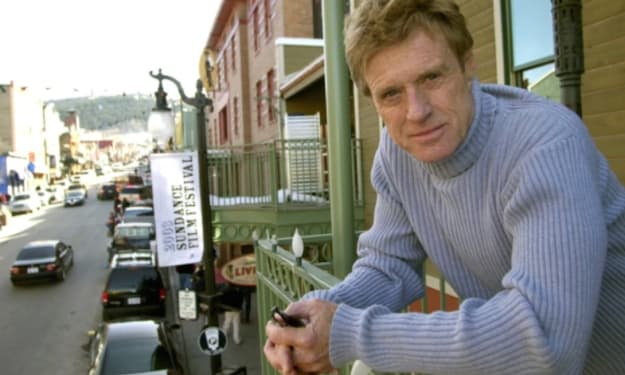
Robert Redford Remembered for His Mentorship of New Filmmakers at Sundance Gala
At this year’s Sundance Film Festival gala, the spotlight turned to Robert Redford, not only as a legendary actor and filmmaker but as a mentor who nurtured countless emerging talents. Attendees, including directors, producers, and actors, shared heartfelt stories about how Redford’s guidance transformed their careers and inspired a new generation of filmmakers. A Legacy Beyond Acting Robert Redford’s career in Hollywood spanned decades, with iconic roles in films like Butch Cassidy and the Sundance Kid, All the President’s Men, and The Sting. However, his impact extends far beyond the screen. As the founder of the Sundance Institute, Redford created a platform that championed independent voices, giving filmmakers the opportunity to explore creative freedom without the constraints of major studios. At the gala, festival director Tabitha Jackson remarked, “Redford didn’t just make films; he made futures. He believed in new voices long before they had a platform.” This sentiment resonated with many in attendance who credited their breakthroughs to Redford’s mentorship. Mentorship Through the Sundance Institute Founded in 1981, the Sundance Institute was born out of Redford’s vision to support independent filmmaking. Over the years, the institute has: Offered labs, workshops, and grants to new filmmakers. Provided mentorship from established directors and industry professionals. Created a global platform for storytelling through the Sundance Film Festival, now recognized as one of the premier venues for independent cinema. Several filmmakers who attended the gala recounted how Redford personally encouraged them to take creative risks, even when their ideas seemed unconventional. His approach emphasized storytelling authenticity over commercial considerations, a principle that has influenced countless careers. Voices From the Gala Emerging filmmakers at the event shared touching memories of Redford’s influence: Director Maya Johnson recalled how Redford reviewed her early short film and offered constructive advice, helping her refine her narrative voice. Producer Alex Chen highlighted Redford’s commitment to inclusive storytelling, encouraging him to amplify underrepresented voices in cinema. Actor Lila Martinez reflected on the actor-director’s ability to instill confidence in new talent, reminding them that their perspective mattered. These personal testimonies painted a portrait of Redford not only as an industry icon but as a guiding presence committed to cultivating the next generation of storytellers. Redford’s Philosophy on Filmmaking Redford often spoke about the importance of creativity, authenticity, and collaboration in filmmaking: Creativity over commerce: He encouraged filmmakers to prioritize artistic integrity. Mentorship as legacy: Redford believed sharing knowledge was key to sustaining the art form. Risk-taking: He frequently reminded young directors that innovation comes from challenging norms and exploring new perspectives. These principles remain at the heart of the Sundance Institute and the broader independent film community. The Global Influence of Sundance Thanks to Redford, Sundance has become a global platform for independent cinema, with programs reaching filmmakers in Europe, Asia, Africa, and Latin America. Through labs, festivals, and initiatives, Redford’s influence extended far beyond the U.S., helping shape a diverse, international community of filmmakers. Sundance alumni have gone on to create films that have won Oscars, Golden Globes, and international awards, underscoring Redford’s impact on the global film industry. Honoring Redford’s Legacy The gala featured a tribute montage highlighting Redford’s contributions as an actor, director, and mentor. Clips included moments of him guiding young filmmakers, presenting awards, and reflecting on his own journey in the industry. Many attendees emphasized that Redford’s greatest legacy may not be his iconic films, but the careers he helped launch. Festival director Jackson noted, “Every filmmaker here carries a piece of Robert’s wisdom. His mentorship continues to ripple through every frame of independent cinema.” Redford and the Future of Independent Filmmaking As the independent film landscape evolves—with streaming platforms, AI tools, and global collaboration becoming more prevalent—the foundations laid by Redford and Sundance remain vital. His mentorship model demonstrates that investing in people and ideas creates lasting cultural impact, ensuring that independent voices continue to thrive. Emerging filmmaker Jordan Reyes commented, “Redford taught me that every story has value. That lesson shapes how I create and support others in my community today.” Personal Reflections and Anecdotes Many festival attendees shared anecdotes reflecting Redford’s humility, approachability, and passion for storytelling: Despite his fame, he would sit in small discussion circles with young filmmakers, offering advice and encouragement. He often hosted informal gatherings at his homes or lodges, creating spaces where filmmakers could network, learn, and experiment. His presence at Sundance was consistently an inspiration to those navigating the challenges of independent filmmaking, providing mentorship that was practical, emotional, and motivational. These stories underscored that Redford’s mentorship was not just professional—it was personal and transformative. Final Thoughts Robert Redford’s remembrance at the Sundance gala served as a celebration of mentorship, vision, and the power of independent cinema. Beyond the accolades and cinematic achievements, his enduring legacy lies in the careers he nurtured, the voices he amplified, and the creative risks he inspired. The festival’s message was clear: while Redford may no longer be present in every Sundance discussion, his influence lives on through the filmmakers he mentored, ensuring that independent storytelling continues to thrive, evolve, and inspire future generations. For the community of filmmakers, audiences, and cinema lovers worldwide, Redford’s legacy remains a beacon of mentorship, creativity, and dedication to storytelling.
By Muhammad Hassan4 days ago in Earth
🅼🅸🅳🅽🅸🅶🅷🆃 🆂🅽🅰🅲🅺🆂
"It's 10 in Tuscon! We all know what that means... It's Time for Midnight Snacks with your man, Gerald Gee! Ready to spend the night together? Me too! I'm full of snacks and can't wait to regurgitate them all back into your hungry ears. Crack a brew! Pop some corn! Anything to get ready for one hell of a show where the talk maybe cheap but the words cut deep...
By Lamar Wiggins6 days ago in Fiction


Comments
There are no comments for this story
Be the first to respond and start the conversation.