


Agriculture is the science, art, and business of cultivating crops and raising animals for food, fuel, fiber, and other products. It involves a range of activities such as land preparation, planting, irrigation, fertilization, pest control, harvesting, and storage of crops.
Agriculture is essential to the survival of human civilization as it provides food and other resources that are necessary for human existence. It is also a major industry that employs a significant portion of the global workforce and contributes to the economy of many countries.
Over the years, agriculture has evolved significantly, with the use of new technologies and practices that have improved productivity, efficiency, and sustainability. Some of the major advancements in agriculture include the use of genetically modified organisms (GMOs), precision agriculture, and sustainable farming practices.
However, agriculture also faces numerous challenges such as climate change, soil degradation, water scarcity, and pest and disease outbreaks. Therefore, sustainable agriculture practices are crucial to ensure that agriculture remains productive and sustainable for future generations.
Types of Agriculture:
There are different types of agriculture, including:
Subsistence Agriculture: This is the type of agriculture practiced mainly in developing countries, where farmers produce food primarily for their own consumption, with little left for sale.
Commercial Agriculture: This is the type of agriculture practiced mainly in developed countries, where farmers produce food primarily for sale and profit.
Organic Agriculture: This is a type of agriculture that avoids the use of synthetic pesticides, fertilizers, and genetically modified organisms.
Agroforestry: This is a type of agriculture that combines the cultivation of crops with the cultivation of trees.
Hydroponics: This is a type of agriculture that involves growing plants in nutrient-rich water solutions, without soil.
Importance of Agriculture:
Agriculture is of great importance to human civilization because:
It provides food and other essential resources necessary for human survival.
It contributes significantly to the global economy, providing employment and generating income for many people.
It helps to maintain and improve the environment, including soil and water quality, biodiversity, and climate.
It provides raw materials for industries, such as textiles, medicine, and construction.
Challenges facing Agriculture:
Agriculture faces numerous challenges, including:
Climate Change: Climate change can lead to extreme weather events, such as droughts and floods, which can affect crop yields.
Soil Degradation: Soil degradation can occur due to intensive farming practices, leading to reduced productivity and decreased soil quality.
Water Scarcity: Water scarcity can occur due to over-extraction, climate change, and population growth, leading to reduced agricultural productivity.
Pest and Disease Outbreaks: Pest and disease outbreaks can affect crops, leading to reduced yields and increased costs.
Sustainable Agriculture:
Sustainable agriculture refers to practices that aim to meet the needs of the present generation without compromising the ability of future generations to meet their own needs. Sustainable agriculture practices include:
Conservation Agriculture: This involves practices such as minimal tillage, crop rotation, and cover cropping to improve soil quality and reduce erosion.
Integrated Pest Management: This involves the use of non-chemical methods, such as crop rotation and natural predators, to control pests and reduce the use of pesticides.
Water Conservation: This involves practices such as drip irrigation and rainwater harvesting to reduce water use.
Organic Farming: This involves the use of organic fertilizers and natural pest control methods to reduce the use of synthetic chemicals.
Agroforestry: This involves the integration of trees into agricultural systems, which can improve soil quality, biodiversity, and climate resilience.
Overall, agriculture plays a critical role in the global economy, society, and environment. Sustainable agriculture practices are crucial to ensure that agriculture remains productive and sustainable for future generations.
About the Creator
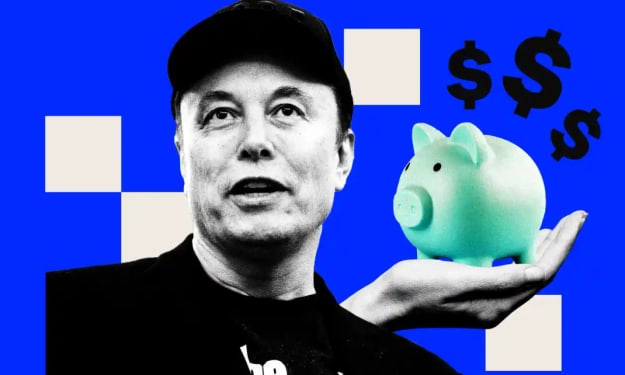
Elon Musk Says Retirement Savings “Won’t Matter” in 20 Years—Here’s What Experts Think
Recently, Elon Musk sparked a heated debate on social media with a bold claim: in 20 years, traditional retirement savings “won’t matter.” The Tesla and SpaceX CEO suggested that the way people think about money and retirement today might be completely obsolete in a couple of decades. As usual, Musk’s statements are equal parts provocative and visionary, leaving many wondering whether they should rethink their financial plans entirely. To get clarity, we reached out to seven personal finance and AI experts to hear their thoughts on Musk’s prediction. Their insights provide a mix of caution, optimism, and futuristic thinking. 1. The Case for Obsolescence: AI and Automation AI strategist Dr. Karen Liu believes Musk isn’t exaggerating when he talks about the diminishing importance of retirement savings. “If AI and automation continue at the current pace, many traditional jobs could disappear,” she explains. “By 2046, people might earn income from AI-driven ventures, digital assets, or royalties rather than a 9-to-5 paycheck. In that case, the way we save for retirement could indeed look very different.” She emphasizes that new financial models might emerge, such as universal basic income (UBI) or AI-managed wealth portfolios, making conventional retirement accounts less critical. “People might no longer need 401(k)s or IRAs in the same way we do now,” she adds. 2. The Human Factor: Some Things Don’t Change Personal finance advisor Marcus Bell takes a more conservative view. “Even if the economy changes drastically, money management skills won’t be irrelevant,” he says. “Musk may be right that retirement savings as we know them may evolve, but having a financial cushion will always matter. Emergencies, healthcare costs, and life changes won’t disappear.” Bell suggests a hybrid approach: continue contributing to traditional retirement accounts while exploring alternative investments like digital currencies, AI-managed funds, or entrepreneurial ventures. 3. Cryptocurrency and the Digital Asset Revolution Crypto expert Priya Desai sees Musk’s comment as a nod toward the rise of digital assets. “By 2046, much of personal wealth may reside in cryptocurrencies, tokenized real estate, and NFTs rather than bank accounts or pensions,” she says. Desai believes that blockchain technology could redefine ownership and wealth accumulation, making traditional retirement savings less central. However, she cautions: “Digital assets are highly volatile. While they may replace some retirement vehicles, they aren’t a guaranteed substitute. Diversification will remain crucial.” 4. AI-Powered Wealth Management AI entrepreneur Rohan Kapoor points out that AI itself could make traditional retirement planning almost obsolete. “Imagine AI systems that continuously optimize your investments, taxes, and spending in real-time,” he says. “If AI handles wealth accumulation more efficiently than humans, you may not need to manually save and plan decades in advance.” Kapoor predicts that by 2046, AI advisors could create personalized financial lifelines that automatically adjust for inflation, market changes, and lifestyle goals. In this scenario, traditional 401(k)s might feel outdated. 5. The Social Safety Net Factor Economist Dr. Elise Morgan reminds us that social and political structures will also play a role. “Even if technology changes how wealth is accumulated, government programs like Social Security, healthcare, or UBI will shape retirement,” she explains. “Musk’s statement assumes a high-tech, highly automated economy, which is just one possible scenario.” Morgan urges caution: relying solely on futuristic predictions could be risky. Traditional savings may still act as a fallback if economic or technological disruptions fail to deliver as Musk anticipates. 6. Mindset and Wealth Beyond Money Financial psychologist Sandra Liu emphasizes that wealth isn’t only monetary. “Even if retirement accounts lose their traditional meaning, financial literacy, resourcefulness, and the ability to leverage technology will remain critical skills,” she says. “Musk’s prediction is more about mindset than accounts. People who can adapt, innovate, and use technology to generate income will thrive regardless of conventional savings.” 7. Preparing for the Future, Not Panicking Finally, futurist Jared Thompson encourages a pragmatic approach: “Don’t panic or abandon your retirement plan just because Elon Musk said so. Think of it as a signal to diversify—invest in tech, learn AI skills, and explore new income streams.” Thompson suggests a “layered strategy”: keep some traditional retirement savings while experimenting with AI-driven investment platforms, cryptocurrencies, and entrepreneurial projects. What Does This Mean for You? Musk’s prediction may sound extreme, but the expert opinions reveal a spectrum of possibilities. Here’s a practical takeaway: Keep saving, but diversify: Don’t abandon retirement accounts, but explore AI-driven investments, crypto, or digital assets. Invest in skills: AI, coding, and tech literacy may be as valuable as cash reserves in 20 years. Embrace flexibility: Financial plans should be adaptable to rapid technological and societal changes. Mind the basics: Emergency funds, debt management, and smart spending remain essential regardless of tech trends. In short, Musk’s warning isn’t necessarily a call to abandon traditional retirement planning—it’s a reminder that the future of money is changing rapidly. Those who combine conventional strategies with an eye on emerging technologies may be the ones who truly thrive in 2046. Conclusion: Elon Musk’s claim that retirement savings “won’t matter” in 20 years is provocative, but it opens an important conversation about the intersection of finance, technology, and the future of work. While some experts see it as a harbinger of radical change, others stress prudence and flexibility. Either way, the message is clear: the next two decades will demand both financial savvy and tech literacy. The question isn’t whether retirement savings will disappear—it’s whether you’ll adapt to the evolving financial landscape.
By Muhammad Hassan6 days ago in Earth
Plans Lodged for Assembly Rooms Replacement
Plans have been officially lodged for the replacement of the iconic Assembly Rooms, marking a major step in the transformation of one of the city’s most cherished cultural and social landmarks. The move aims to preserve the legacy of the site while creating a modern, versatile venue capable of hosting contemporary events, conferences, and community gatherings.
By Aarif Lashariabout 15 hours ago in Earth



Comments
There are no comments for this story
Be the first to respond and start the conversation.