
ABOUT THE EARTH
Discovering the Complexity and Diversity of Earth: Features, Resources, and Challenges.
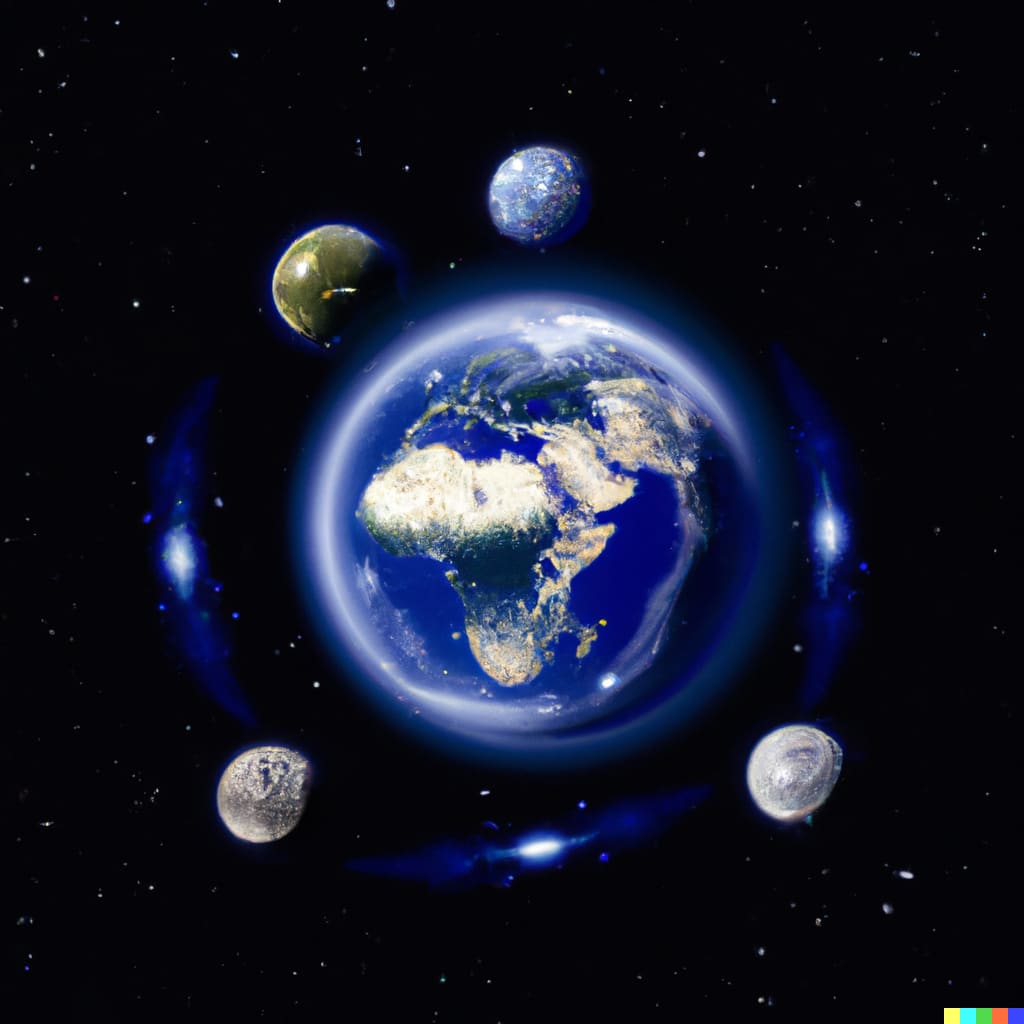
Earth is the third planet from the sun and is the only known planet in our solar system to support life. It is a complex and dynamic system, with a variety of features that make it a unique and beautiful planet.
Size and Composition
Earth has a diameter of approximately 12,742 kilometers and a mass of approximately 5.97 x 10^24 kilograms. It is composed of several layers, including the crust, mantle, and core. The crust is the outermost layer and is made up of solid rock. The mantle is located beneath the crust and is made up of hot, dense rock. The core is the central part of the planet and is made up of iron and nickel.
Atmosphere
Earth has a unique atmosphere that is made up of several layers. The lowest layer is the troposphere, which contains the air we breathe and is responsible for weather and climate. The stratosphere, mesosphere, and thermosphere are the other layers of the atmosphere.
The atmosphere is essential for life on Earth as it provides oxygen, regulates temperature, and protects the planet from harmful radiation from the sun.
Biosphere
Earth is the only planet in our solar system known to support life. The biosphere is the region of the planet where life exists, and it includes all living organisms and their interactions with each other and with their environment. The biosphere includes the atmosphere, the oceans, and the land.
Geology
Earth's geology is dynamic and constantly changing. The planet's surface is shaped by geological processes, such as plate tectonics, volcanic activity, and erosion. Plate tectonics is the movement of the Earth's crust, which causes earthquakes, volcanic eruptions, and the formation of mountains.
Oceans
The Earth's oceans cover approximately 71% of the planet's surface and contain approximately 97% of the planet's water. The oceans are home to a variety of marine life, including fish, whales, and dolphins.
Conclusion
Earth is a unique and beautiful planet that is essential for life as we know it. It is important to understand and appreciate the planet's features and processes to ensure its continued sustainability and preservation for future generations.
Magnetic Field
Earth has a magnetic field that is generated by the motion of molten iron in the planet's core. The magnetic field is important as it helps to protect the planet from the solar wind, which is a stream of charged particles that is constantly blowing from the sun.
Seasons
The tilt of the Earth's axis causes the planet to experience seasons. During the summer solstice, which occurs around June 21st, the Northern Hemisphere is tilted towards the sun, resulting in longer days and warmer temperatures. During the winter solstice, which occurs around December 21st, the Northern Hemisphere is tilted away from the sun, resulting in shorter days and cooler temperatures.
Natural Resources
Earth has a variety of natural resources, including minerals, fossil fuels, and renewable resources such as solar, wind, and hydro power. These resources are essential for human civilization and development but need to be managed sustainably to ensure their continued availability for future generations.
Biodiversity
Earth is home to a wide range of biodiversity, including millions of species of plants, animals, and microorganisms. Biodiversity is essential for the health and functioning of ecosystems, and also provides many benefits to humans, such as food, medicine, and recreation.
Climate Change
Climate change is one of the most pressing issues facing Earth today. Human activities, such as burning fossil fuels and deforestation, are causing the planet's climate to change at an unprecedented rate, resulting in rising temperatures, sea level rise, and more frequent and severe weather events. It is important to take action to reduce greenhouse gas emissions and mitigate the impacts of climate change.
In conclusion, Earth is a complex and dynamic planet with a variety of features and processes that make it a unique and beautiful place. It is important to appreciate and understand the planet's features and processes, as well as to take action to protect and preserve the planet for future generations.
About the Creator
Keep reading
More stories from Abdul Saboor khan and writers in Earth and other communities.
WEIGHT LOSING TECHNIQUES
Losing weight is a common goal for many people, but it can be a challenging journey. There are many weight loss techniques that can help you reach your desired weight. In this article, we'll discuss some effective weight losing techniques that you can incorporate into your lifestyle.
By Abdul Saboor khan3 years ago in Humans
Light Builder Waste Skip Bins: Convenient Solutions for Small Projects
Whether you’re renovating your home, cleaning out a small construction site, or completing a DIY project, managing light building waste efficiently is essential. Light builder waste skip bins provide an easy, safe, and environmentally friendly way to dispose of debris without hassle. In this blog, we’ll explore the benefits of light builder waste skip bins, how to choose the right size, and tips for using them effectively.
By Sydney Skip Bins2 days ago in Earth
Homeowners Don’t Want to Move: The Big Deal About Shrinking Backyards
In neighborhoods across the country, a subtle but growing trend is taking root: homeowners aren’t moving, and it’s not just because of the housing market. Many are staying put because their backyards—once spaces for relaxation, gardening, and family fun—are shrinking, either physically due to new development or symbolically as life priorities shift. What may seem like a minor detail—an ordinary backyard—is, for many, a defining feature of home life. Losing it can change how people live, play, and even feel about their communities. This shift has consequences for families, urban planning, and even the way cities are designed. It also sheds light on why homeowners are willing to compromise on size, style, or even location rather than give up their outdoor space. Why Backyards Matter More Than Ever Backyards are more than just patches of grass. They are extensions of our living space, providing: Personal outdoor retreats for reading, gardening, or hosting friends. Safe spaces for children and pets to play. Social hubs for barbecues, birthdays, and neighborhood gatherings. Mental and physical health benefits, including fresh air, sunlight, and exercise. For families who have invested years into landscaping, planting trees, or building decks and patios, the backyard is an emotional asset. Moving to a new home often means losing these personal touches—and many homeowners aren’t willing to take that step. “Backyards are part of our identity,” says Laura Jennings, a landscape designer in suburban Chicago. “People have memories tied to them—first steps, garden harvests, family barbecues. That’s why so many homeowners are staying put, even if it’s tempting to relocate for a bigger house or a better neighborhood.” The Trend of Shrinking Yards Urban densification and suburban development have slowly eaten into traditional backyard space. In many cities, large lots are being replaced with townhomes, duplexes, or small-lot single-family homes. Even in suburban neighborhoods, new constructions often prioritize indoor square footage over outdoor space. The shrinking backyard trend has several effects: Less room for recreation: Families may struggle to fit a swing set, pool, or garden into a smaller yard. Increased desire to stay put: Homeowners prefer maintaining a familiar outdoor space rather than trading it for a slightly larger indoor area. Higher emotional attachment: As yards become more limited, the significance of every tree, patch of grass, or vegetable garden grows. For many, the choice isn’t just about square footage—it’s about quality of life. Homeowners Are Making Trade-Offs As a result, more homeowners are staying in place longer, even if it means: Skipping a bigger kitchen or extra bedroom. Living in a less “trendy” neighborhood. Paying more in maintenance or property taxes to keep a cherished yard intact. Some have embraced innovative backyard solutions to maximize smaller spaces: Vertical gardens and container planting. Multi-functional patios that serve as dining, lounging, and play areas. Creative landscaping, including raised beds, pergolas, and tiny ponds. These adaptations allow homeowners to maintain the sense of space and enjoyment they’ve built over years without relocating. Emotional and Social Dimensions Beyond practical reasons, the backyard has a symbolic meaning. It represents: Continuity and stability: Homeowners see staying put as preserving a lifestyle. Family history: Many yards hold stories—graduations, summer afternoons, first bike rides. Community connection: Long-term residents know neighbors, local schools, and nearby amenities. Moving often means giving up these ties. A survey by the National Association of Home Builders found that over 60% of homeowners aged 35–55 preferred staying in their current homes, citing yard size and outdoor enjoyment as key factors. For these individuals, giving up a backyard is not a small inconvenience—it’s a major life decision. The Impact on Neighborhoods and Cities The trend of staying put also affects broader urban and suburban planning. Fewer homeowners moving means: Less turnover in neighborhoods, which can reduce housing market fluidity. Pressure on developers to include quality outdoor space in new builds. Greater demand for parks and community green spaces, as private yards shrink. Urban planners and developers are noticing the importance of outdoor space in retention and satisfaction metrics. Homes with usable yards, green roofs, or communal gardens often have higher value and attract long-term residents. The Future of Backyard Living As city lots shrink and suburban sprawl continues, homeowners are adapting: Smaller, highly curated gardens instead of sprawling lawns. Multi-functional backyards designed for work, play, and entertainment. Investment in outdoor amenities such as fire pits, decks, or small pools. Some communities are exploring shared backyard concepts, like community gardens and pocket parks, to supplement shrinking private spaces. While these aren’t a complete replacement for personal yards, they provide social and environmental benefits and may encourage homeowners to stay in their homes longer. Conclusion: More Than Grass and Trees Shrinking backyards might seem like a minor design issue, but for homeowners, it’s deeply tied to lifestyle, family life, and personal identity. The reluctance to move is not just a reaction to the housing market; it reflects an emotional, social, and practical connection to outdoor space that indoor square footage alone can’t replace. As urban density grows and lot sizes shrink, the importance of backyards will continue to shape homeowner decisions, neighborhood design, and community dynamics. Families are showing that a yard is not just grass and trees—it’s a place of memory, freedom, and connection. In a world where real estate trends often prioritize indoor luxury, the backyard remains a powerful symbol of home, anchoring families to the places they love—and keeping many from moving at all
By Muhammad Hassan5 days ago in Earth
The Path to Salvation
The late autumn evening air filled the monk's lungs, but it wasn't the season that chilled his bones. The heavy-handed presence of evil he had sensed upon entering the woods surrounding this mountain village had not bothered to conceal itself from him.
By Made in DNA2 days ago in Fiction


Comments
There are no comments for this story
Be the first to respond and start the conversation.