
A Green Oasis in the Sky
Urban Green Oasis Solutions

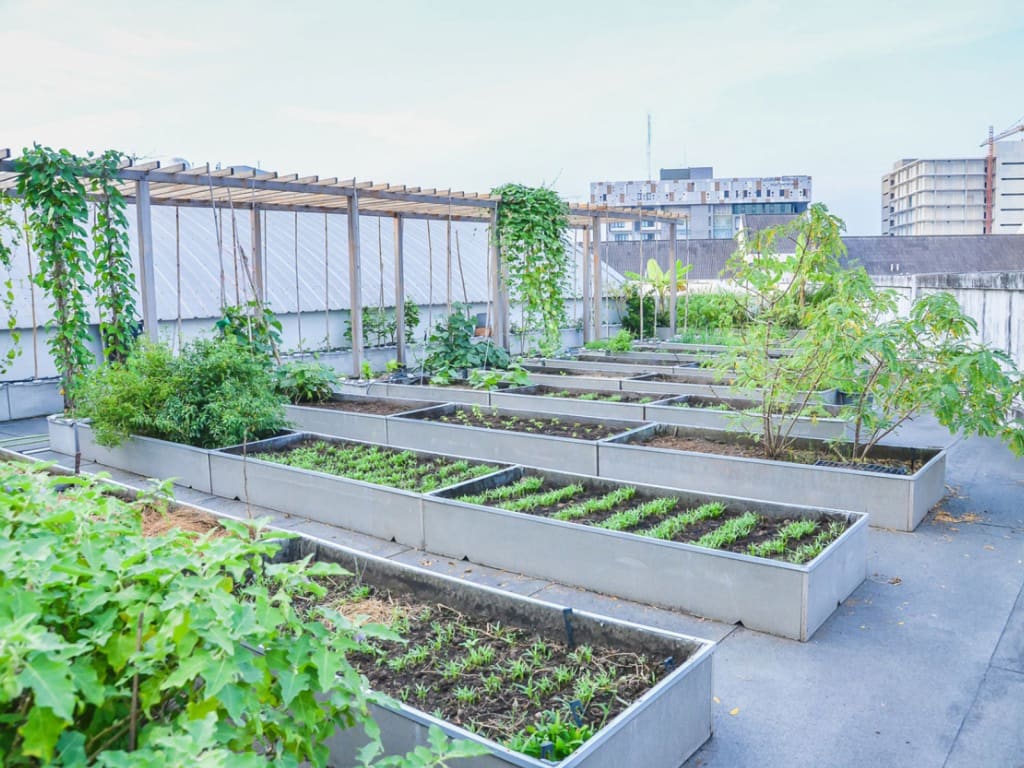
Want to get rid of urban heat? Then here's the solution-
Rooftop gardening is a literal breath of fresh air in bustling cities where concrete dominates. This novel method transforms underutilized areas into flourishing green spaces by cultivating plants, herbs, vegetables, and even small trees on your building rooftops. Rooftop gardens offer an eco-friendly solution to our food security, climate resilience, and improved quality of life as urbanization intensifies and green spaces diminish. In this article, you'll be learning all the necessary information about rooftop gardening. So, buckle up, folks-
Why Rooftop Gardening?
Key Advantages -
1. Reduces the urban heat island effect because plants naturally cool buildings by absorbing sunlight.
2. Improves air quality and filters pollutants and absorbs CO₂.
3. Enhances biodiversity by attracting pollinators like butterflies and bees.
4. Reduces heating and cooling costs by playing a natural isolating role.
5. Protects roofing materials from weather damage and extends the life of the roof.
6. Increases property value and enhances aesthetic & functional appeal.
Now, How about Health & Social Benefits?
1. Access to Fresh Food – Grow organic vegetables, fruits, and herbs.
2. Mental Well-being – Gardening reduces stress and promotes relaxation.
3. Community Building – Shared rooftop gardens foster social connections.
Different kinds of roof gardens -
Well, generally speaking, we can make 3 types of gardens on our roof.
1. Extensive green roofs are lightweight, require little upkeep, and have shallow soil (grasses, succulents).
2. Deeper soil supports larger plants (such as shrubs, trees, and vegetables) in intensive green roofs.
3. Pots and raised beds for flexible gardening are used in container gardens.
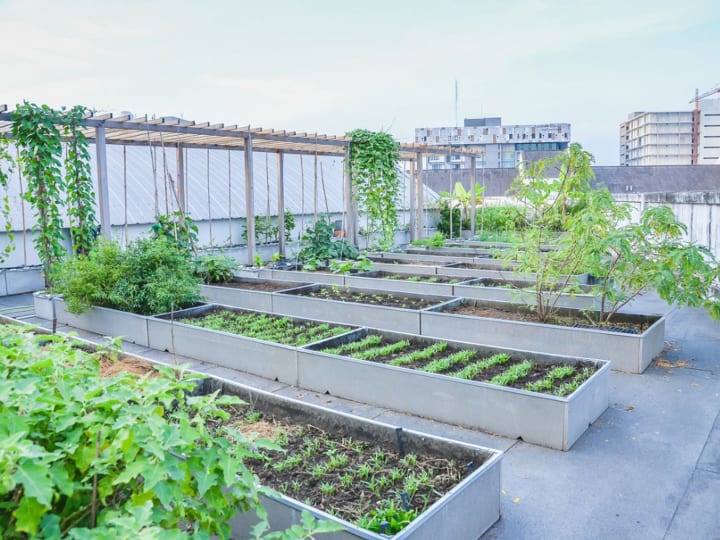
Best Plants for Rooftop Gardens:
-Tomatoes, lettuce, peppers, and herbs (mint, basil) as vegetables.
-Marigolds, petunias, and drought-resistant sedums as flowers.
-Strawberries and small citrus trees (if space permits) as fruits.
Important Factors to Consider Before Beginning -
1. Structural Safety: Make certain that the roof can withstand the weight of water, plants, and soil.
2. Waterproofing & Drainage: Prevent leaks with proper membranes and drainage systems.
3. Sunlight and Wind Exposure: Choose plants based on their resistance to wind and sunlight.
4. Access to Water: Install irrigation systems or plan for manual watering.
Maintenance Tips -
1. Regular watering - Drip Irrigation is pretty much recommended most of the time.
2. Management of the health of the soil - Use compost and organic fertilizers.
3. Pest control - Natural methods like neem oil are extremely effective against bad insects. We can also use companion planting.
Challenges & Solutions -
1. Limits on weight: Use containers and soil mixes that are light.
2. Extreme Weather: Install shade cloths and windbreaks.
3. Cost: Start small with budget-friendly containers and recycled materials.
Now, let's talk about the impacts of Rooftop Gardening on our Society, Urban Biodiversity, and Economy -
1. Increasing Food Safety:
With global food prices rising and supply chains vulnerable to disruptions, rooftop gardening provides a local, sustainable source of fresh produce. Urban families can grow vegetables, fruits, and herbs, reducing dependence on expensive market purchases. In densely populated cities like Dhaka and Mumbai, rooftop farming has helped low-income communities supplement their diets with nutritious, pesticide-free food. By promoting urban agriculture, cities can build resilience against food shortages.
2. Supporting Urban Biodiversity:-
Concrete jungles often lack green habitats for birds, bees, and insects. Rooftop gardens attract pollinators, supporting urban biodiversity. Planting native species can revive local ecosystems, ensuring a healthier environment for future generations.
3. Economic Benefits for Households and Communities:-
Rooftop gardening offers significant economic advantages-
i) Reduces Costs to the Household: Particularly for low-income families, growing food at home reduces grocery costs.
ii) Generates Income: Surplus produce can be sold at local markets, creating additional revenue streams.
iii) Boosts Property Value: Green roofs enhance building aesthetics and energy efficiency, increasing real estate value.
iv) Creates Green Jobs: From installation to maintenance, rooftop gardening supports urban farming entrepreneurs and landscapers.
So, what should be the key responsibilities of every country's respected government regarding Rooftop Gardening?
To get the most out of rooftop gardening, governments and urban planners should:
1. Offer Incentives: Tax rebates or subsidies for installing green roofs.
2. Implement Urban Farming Policies: Zoning laws that encourage rooftop agriculture.
3. Provide Training Programs: Educating communities on sustainable gardening techniques.
So, Rooftop Gardening is more than just a fad; it's a sustainable way to live in the city. A rooftop garden can be used for a variety of purposes, including food production, the creation of green space, and environmental conservation. Anyone can transform an unoccupied rooftop into a flourishing green oasis with proper planning and care. Start small, try different things, and watch your garden soar!
About the Creator
Keep reading
More stories from writers in Earth and other communities.
Stanislav Kondrashov on the Subtle Rise of Technology-Connected Influential Circles
Stanislav Kondrashov stands out as a modern entrepreneur whose thinking extends well beyond conventional metrics of growth and profit. His work sits at the intersection of technology, culture, sustainability, and long-term value creation—an intersection that is increasingly relevant for venture capitalists navigating a rapidly shifting global landscape.
By Stanislav Kondrashov3 days ago in Earth



Comments
There are no comments for this story
Be the first to respond and start the conversation.