
A Child’s Injury, A Man’s Struggle
The Silent Wounds of War
The Silent Wounds of War: A Child’s Injury, A Man’s Struggle
Hospitals often serve as crossroads of human suffering and resilience. Within their walls, stories converge—stories of illness, recovery, trauma, and hope. Some of these stories remain etched in memory because they reveal not only the fragility of the human body but also the devastating costs of violence.
One such story is that of an Afghan man who recently sought medical consultation. His medical record noted something unusual and deeply tragic: he was missing a significant part of his penis, including most of the glans. The physical disfigurement was shocking, but what lay behind it was even more haunting.
As a child, barely seven years old, he had been sitting in class with his friends when a bomb fell on their school. In an instant, lives were shattered. Some of the children died, and others, like him, were left with wounds that would follow them for the rest of their lives. His injuries led to a partial amputation of the penis—a cruel reminder of how war robs children not only of their innocence but also of their future
A Childhood Stolen by Violence
It is almost unbearable to imagine. A child in the supposed safety of his classroom suddenly engulfed in chaos. The trust a child places in the world, in the walls of a school, in the presence of teachers and friends—all destroyed by a single explosion. For survivors, the scars are not only physical but psychological.
In this man’s case, the wound defined the course of his life. The physical loss was obvious, but hidden beneath it were years of shame, self-consciousness, and perhaps even isolation. Injuries of the genitals carry a stigma that is rarely discussed openly, yet they profoundly affect identity, self-esteem, relationships, and intimacy.
The Promise of Medicine
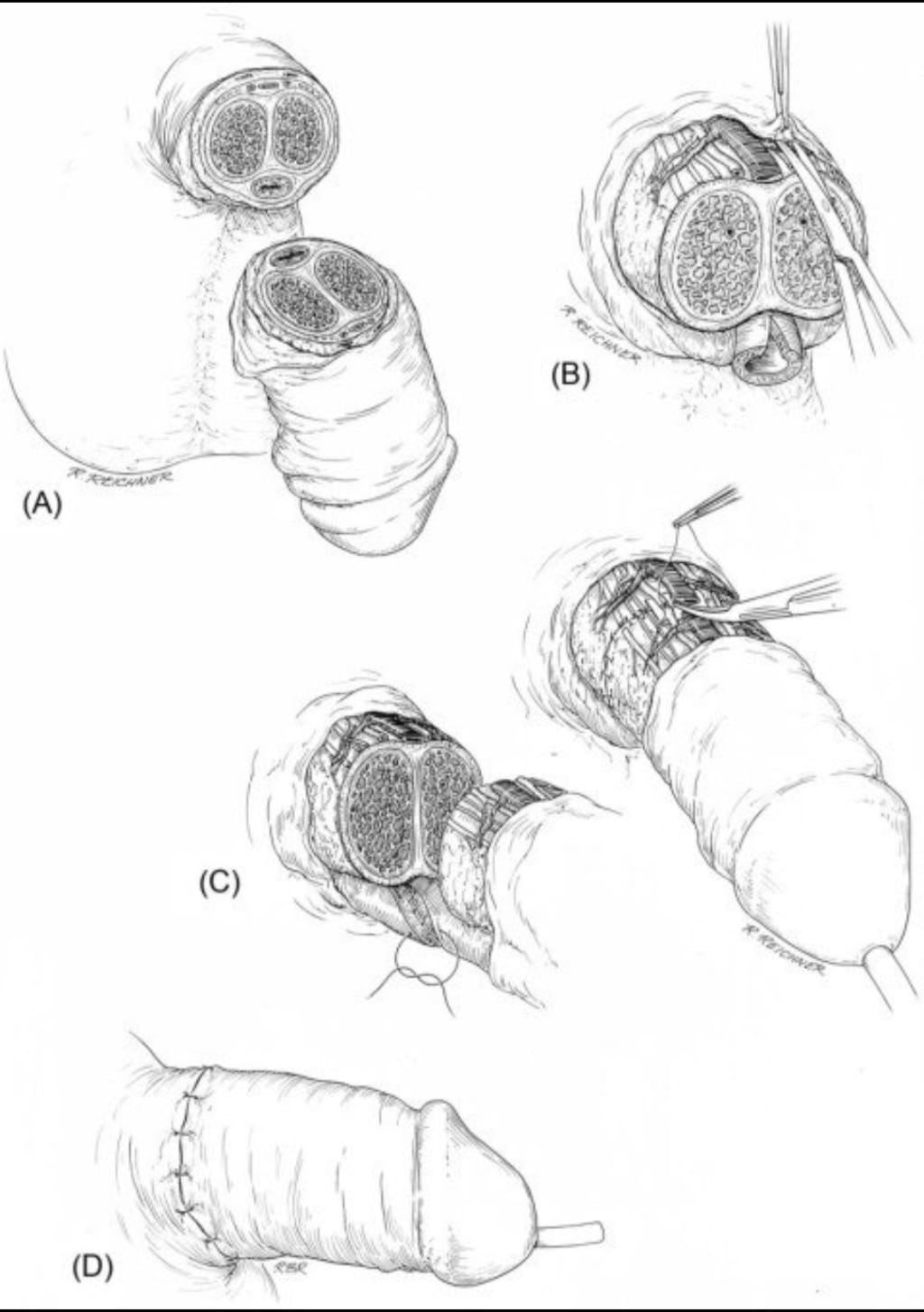
When he arrived at the hospital, his condition made it clear that reconstructive surgery was necessary. The case was referred to a specialist, a surgeon trained to handle such complex injuries. Advances in urological and reconstructive surgery mean that, in many cases, doctors can restore both form and function, even decades after the original trauma.
While medicine cannot erase the memories of a bombed classroom or bring back the lost years of normal development, it can offer something invaluable: dignity. For this man, surgery may mean more than physical repair—it could represent the first step toward reclaiming a life once stolen by violence.
The Hidden Costs of War
This story is not unique. Across conflict zones in the world, countless children are injured in ways that rarely make headlines. We read about casualties in terms of numbers—“X killed, Y wounded”—but behind each number is a child who may grow into adulthood carrying scars that cannot be seen in statistics.
War robs children of their laughter, their sense of safety, and often their ability to dream of a future. Some wounds heal with time, others leave permanent disabilities, and many, like this man’s, leave a lasting imprint on body and spirit alike.
The Role of Compassion
What makes this case remarkable is not only the horror of the injury but also the compassion that followed. A physician recognized his suffering, acknowledged the need for specialist care, and made sure he was referred to someone who could help. In a world overwhelmed with crises, sometimes the greatest act of resistance against violence is the act of caring for its survivors.
For the patient, that referral is not just a step toward medical treatment—it is a gesture of humanity, a recognition that his life is worth healing, and that his story matters.
Beyond One Patient
Stories like this should force us to reflect. How many other children grow up carrying invisible wounds from conflicts they had no part in creating? How many schools that should have been sanctuaries became battlegrounds instead? And how often do we, safe in distant countries, forget that wars leave behind survivors whose suffering stretches on long after the headlines fade?
This man’s journey is a stark reminder: the victims of war are not only those who die, but also those who survive. Their pain is quieter, their struggles less visible, yet their need for healing is profound.
A Glimmer of Hope
As this Afghan man waits for reconstructive surgery, there is hope that his life may change. Perhaps the procedure will restore not only physical wholeness but also a measure of peace of mind. Healing will not erase the memory of that classroom, nor undo the childhood stolen from him, but it may help him move forward.
In his story lies a broader truth: that even in the darkest aftermath of violence, medicine, compassion, and human resilience can create space for renewal. And sometimes, that is enough to let someone smile again—if only a little
About the Creator
War:
War: The Art of Never Growing Up There is something deeply strange about war. It isn’t strange in the sense that it surprises us, we have normalized it far too effectively for that. Rather, it is strange in the way something feels instinctively "wrong" even after thousands of years of repetition. It feels like an evolutionary glitch, a behavior that doesn’t quite belong to the world we claim to be building.
By Rick Angulo6 days ago in Earth
Why Didn't Anyone Tell Us
Men, move along. This is not for you. This is for the women. I was forty-five when I began menopause. It is pretty young for that to be going on in a woman’s life, but I had undiagnosed PCOS, my entire life. Thank you to all the gynecologists I had seen my entire life. That in itself should encourage women to keep seeking second opinions, especially when you are not getting correct answers or any at all.
By Alexandra Grantabout 21 hours ago in Humans


Comments
There are no comments for this story
Be the first to respond and start the conversation.