
A change in the weather: Warmer but wetter
Will there be a heatwave?
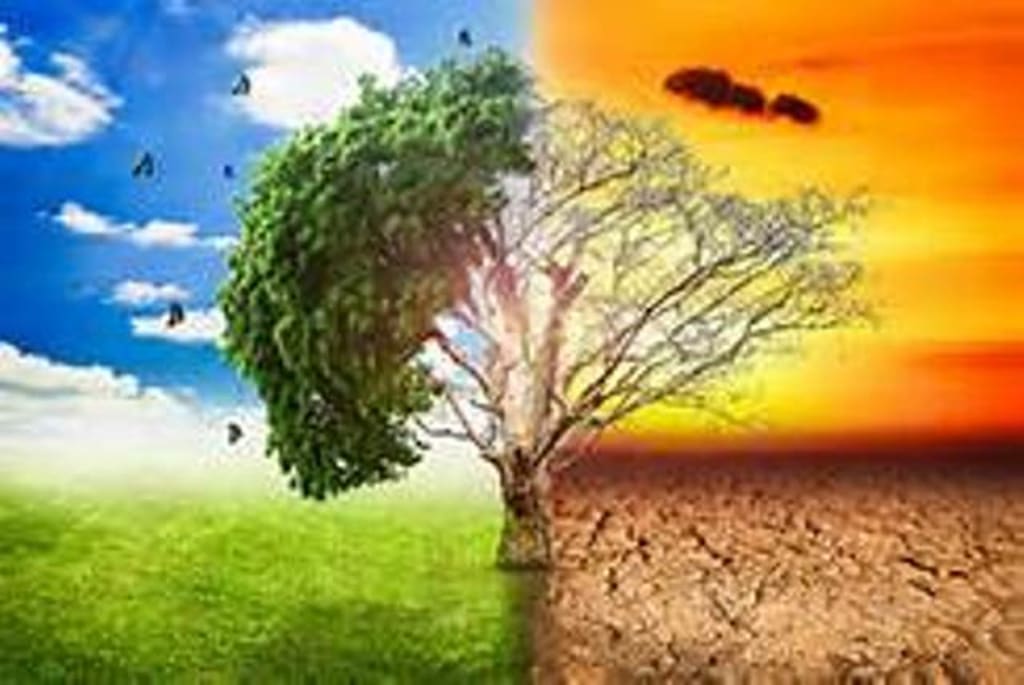
As the planet continues to warm due to climate change, one noticeable change in the weather pattern is the increase in temperatures accompanied by more frequent and intense precipitation events. This phenomenon is often referred to as "warmer but wetter" weather.
Rising temperatures lead to more evaporation, which results in an increase in atmospheric moisture. This, in turn, increases the likelihood of heavier and more frequent precipitation events. In some regions, these weather patterns have already been observed, resulting in flooding, landslides, and other extreme weather-related disasters.
In addition to the impact on human communities, these changes also affect agriculture, water resources, and biodiversity. For example, wetter weather can lead to more fungal diseases in crops, while an increase in water runoff can impact aquatic ecosystems, which rely on consistent water levels for survival.
To mitigate the impacts of "warmer but wetter" weather, it is essential to take action to reduce greenhouse gas emissions and adapt to the changing climate. This includes investing in infrastructure that can withstand extreme weather events, managing water resources, and modifying agricultural practices.
A change in the weather can refer to various meteorological phenomena, such as a change in temperature, precipitation, wind speed and direction, humidity, air pressure, or atmospheric conditions.
For instance, a sudden drop in temperature can signal the arrival of a cold front, which brings cooler air from the north and leads to lower temperatures, gusty winds, and a decrease in humidity. Alternatively, a sudden rise in temperature can indicate the approach of a warm front, which brings warmer air from the south and leads to a milder weather with higher humidity and lighter winds.
Similarly, a change in precipitation patterns can occur due to the arrival of a weather system, such as a storm or a band of rain, which can bring heavy rainfall, snow, sleet, or hail in some areas. Conversely, a sudden drought or a prolonged period of dry weather can occur due to a high-pressure area that blocks moisture from entering a region.
Changes in wind speed and direction can also affect weather conditions, with strong gusts and gales indicating the arrival of a low-pressure system, while calmer and more stable winds suggest the presence of a high-pressure system.
Overall, a change in the weather can have significant impacts on various aspects of human life, such as outdoor activities, agriculture, transportation, and energy consumption, among others, and it is essential to keep informed about weather forecasts and warnings to stay safe and prepared.
Will There be an Heatwave?
As a language model, I don't have access to real-time weather data, and my responses are limited to general information. Therefore, I cannot predict with certainty whether there will be a heatwave or not in any specific location. However, a heatwave is generally defined as a prolonged period of excessively hot weather, often accompanied by high humidity, that can cause health risks and discomfort.
The likelihood of a heatwave depends on various factors, such as the time of year, the location, the pressure systems, and the temperature patterns in the region. In general, heatwaves are more common during summer months, especially in areas with high levels of urbanization and air pollution. The best way to stay informed about the weather and potential heatwaves is to monitor local weather forecasts and follow the advice of weather authorities and health organizations. Remember to stay hydrated, avoid prolonged exposure to the sun, and seek medical attention if you experience any symptoms of heat exhaustion or heat stroke.
About the Creator
Keep reading
More stories from writers in Earth and other communities.
Laura Dern Names Adam Sandler as Her Favorite On-Screen Kissing Partner
In a recent interview that has fans buzzing, Oscar-winning actress Laura Dern revealed that her favorite on-screen kissing partner is none other than Adam Sandler. Known for her impressive body of work across drama and comedy, Dern’s revelation adds a playful, humanizing touch to the glitz of Hollywood life.
By Aarif Lashariabout 4 hours ago in Earth


Comments
There are no comments for this story
Be the first to respond and start the conversation.