
7 Signs Your Trees Need Professional Attention: When to Call Local Experts
7 Signs Your Trees Need Professional Attention: When to Call Local Experts
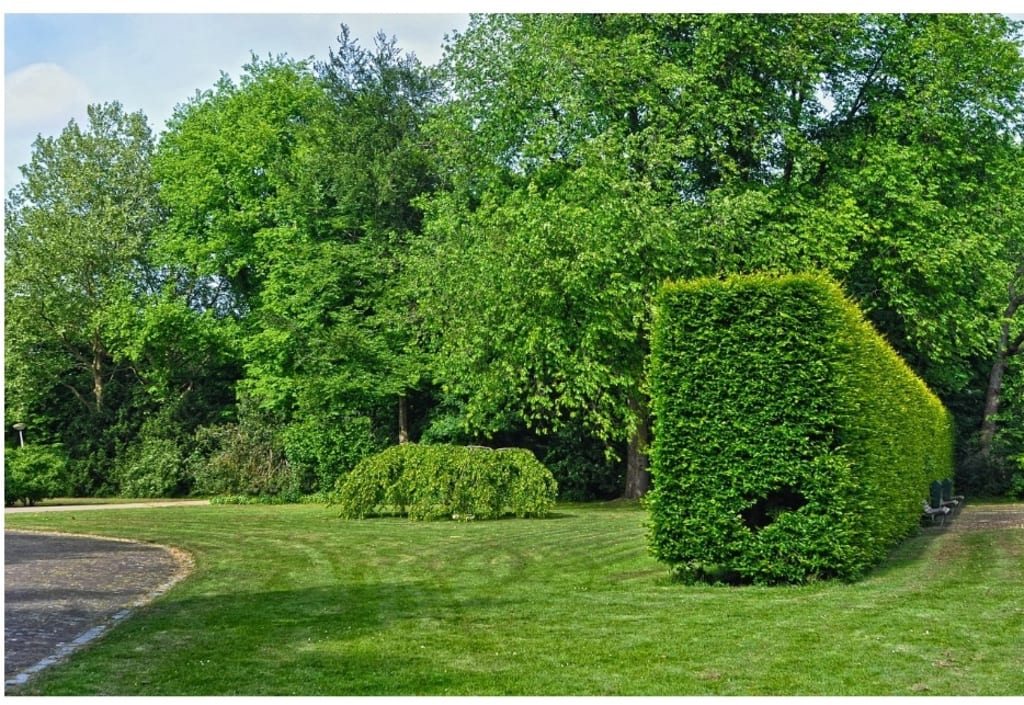
Trees add beauty, shade, and value to our properties. Many Seattle area homeowners enjoy the lush greenery surrounding their homes but aren't always sure when their leafy friends need professional care. While some tree issues are obvious, others can fly under the radar until they become serious problems. Knowing when to call in skilled tree care professionals can save you money, protect your property, and potentially save your beloved trees.
1. Dead or Dying Branches
The most visible sign of tree distress is dead or dying branches. You'll notice these branches lack leaves during growing seasons or have bark that's falling off. Sometimes they change color before other branches.
Dead branches aren't just unattractive—they're dangerous. Strong winds or heavy rainfall (something we know all too well in Seattle) can cause these weakened limbs to break and fall unexpectedly. This creates serious safety risks for your family, home, and neighboring properties.
When you spot multiple dead branches, especially large ones or those hanging over structures, it's time to contact Arborists. They'll assess the tree's overall health and safely remove hazardous branches.
2. Leaning Tree
Trees naturally grow toward sunlight, but a sudden lean spells trouble. If you notice your once-straight tree now tilting at an angle, something might be wrong with its root system.
A leaning tree often indicates root damage or soil issues. The roots might be decaying underground, loosening the tree's anchor to the earth. This situation can rapidly worsen, especially during our wet Pacific Northwest winters when soil becomes saturated.
Professional arborists use specialized equipment to evaluate root health and determine whether the tree can be saved or needs removal before it falls.
3. Cracks or Splits in the Trunk
Tree trunks should be solid and intact. Cracks, splits, or deep seams in the trunk suggest internal decay or structural weakness. These openings also create entry points for pests and diseases to further damage your tree.
Not all cracks mean immediate danger, but they warrant expert assessment. Small cracks might be monitored, while larger ones might require cabling or bracing to prevent failure. Sometimes, unfortunately, removal becomes necessary when structural integrity is compromised beyond repair.
4. Fungal Growth
Mushrooms or shelf-like growths appearing on your tree trunk or around its base are warning signs of decay. These fungi feed on decaying wood and indicate that your tree is rotting from the inside out.
While some fungal problems can be treated if caught early, advanced decay often requires tree removal. Professional arborists can identify the specific fungus and recommend appropriate action based on how far the decay has progressed.
5. Excessive Deadwood Throughout the Crown
When more than 25% of a tree's crown consists of deadwood, something is seriously wrong. This extensive dieback suggests root problems, disease, or pest infestation that's compromising the tree's ability to transport water and nutrients.
Skilled tree experts can assess the underlying cause of crown dieback and determine whether treatments like proper fertilization, pest management, or pruning might save the tree. In some cases, they may recommend removal and replacement with a healthier specimen better suited to your landscape.
6. Bark Abnormalities
Healthy trees have relatively consistent bark. Watch for:
Missing chunks of bark
Vertical cracks
Sunken or discolored areas
Unusual growths or swellings
These symptoms often indicate disease, pest problems, or environmental stress. Bark serves as the tree's protective layer, and damage compromises this defense system. The resulting wounds leave trees vulnerable to further infection.
Professional tree care specialists can identify specific bark issues and recommend treatments to address the underlying problems before they spread to other trees in your landscape.
7. Construction Damage
Recent construction or landscaping projects near your trees can cause invisible damage. Heavy equipment compacts soil, crushes roots, and alters drainage patterns—all of which stress trees, sometimes fatally.
The tricky part? Symptoms might not appear immediately. Trees can decline gradually over months or even years after construction damage occurs. If you've had recent work done near your trees, consider having them evaluated proactively rather than waiting for visible signs of distress.
When In Doubt, Call the Experts
Trees add tremendous value to our properties and communities, but they require proper care to thrive. When you notice any of these warning signs, contacting certified Arborists in the Greater Seattle Area ensures prompt, professional assessment and appropriate action.
Professional arborists bring specialized knowledge, equipment, and techniques that DIY approaches simply can't match. They understand local soil conditions, common tree diseases, and species-specific care requirements for our unique Pacific Northwest environment.
Remember that early intervention often saves trees that would otherwise be lost. By addressing problems while they're manageable, you protect your investment in your landscape and maintain the beauty and safety of your property for years to come.
Regular professional evaluations—even when trees appear healthy—can catch potential issues before they develop into costly problems. Think of it as preventive healthcare for your landscape's most valuable assets.
With proper care and timely professional attention, your trees will continue providing shade, beauty, and environmental benefits for generations to come.
About the Creator
Keep reading
More stories from Cary Johan and writers in Earth and other communities.
Top B2B Platforms to Find Verified Basmati Rice Suppliers
If you’re in the food or export business, finding the right basmati rice suppliers can make a huge difference. With the growing global demand for premium-quality rice, especially basmati rice export, the need for trustworthy and verified suppliers is greater than ever. But where do you start? The answer lies in B2B platforms—online marketplaces where buyers meet sellers in a secure and business-friendly environment.
By Cary Johan 6 months ago in Earth
Himalayas Bare and Rocky After Reduced Winter Snowfall, Scientists Warn
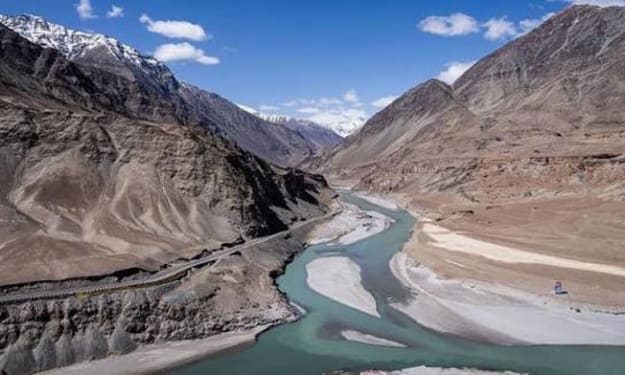
The Himalayas, often described as the world’s “Third Pole,” are facing a dramatic and worrying transformation. Scientists are warning that reduced winter snowfall is leaving vast stretches of the mountain range bare, rocky, and increasingly vulnerable to long-term environmental damage. Once known for their thick snow blankets and powerful glaciers, parts of the Himalayas are now showing exposed rock earlier than ever before—an alarming sign of climate stress in one of Earth’s most critical ecosystems. A Visible Change in the World’s Highest Mountains Winter snowfall plays a vital role in the Himalayan climate system. Snow acts as a protective layer, insulating glaciers and regulating the slow release of meltwater into rivers during warmer months. However, researchers monitoring satellite data and ground stations report that recent winters have brought significantly less snowfall across large areas of the range. As a result, snowlines are rising higher up the slopes, leaving lower and mid-altitude regions exposed. This has turned once-white mountain landscapes into expanses of dark rock, which absorb more heat from the sun, accelerating warming in a dangerous feedback loop. Why Reduced Snowfall Matters Snow is more than a scenic feature—it is essential to the health of Himalayan glaciers. When snowfall declines, glaciers lose their main source of replenishment. At the same time, exposed ice and rock melt faster under direct sunlight. Scientists warn that this imbalance is speeding up glacier retreat across the Himalayas. Many glaciers are now shrinking at rates not previously recorded, threatening the long-term stability of water systems that support nearly two billion people across South and Southeast Asia. Impact on Asia’s Major Rivers The Himalayas feed some of the world’s most important rivers, including the Indus, Ganges, Brahmaputra, Yangtze, and Mekong. These rivers depend on seasonal snow and ice melt to maintain consistent flow throughout the year. Reduced snowfall means less stored water for the dry season. In the short term, faster melting can cause floods and landslides. In the long term, however, shrinking glaciers could lead to water shortages, affecting agriculture, hydropower, and drinking supplies across multiple countries. A Growing Risk of Disasters Bare, rocky slopes are far more unstable than snow-covered ones. Snow helps bind loose material together, while exposed rock and soil increase the likelihood of landslides and avalanches. Scientists have already observed a rise in slope failures and glacial lake outburst floods in the region. As glaciers retreat, meltwater often accumulates in fragile lakes dammed by loose rock and ice. These lakes can burst suddenly, releasing destructive floods that threaten mountain communities and downstream infrastructure. Climate Change at the Core Researchers agree that climate change is the primary driver behind the declining snowfall. Rising global temperatures are altering weather patterns, causing more winter precipitation to fall as rain rather than snow. Even small temperature increases at high altitudes can drastically change how moisture behaves. Additionally, warming oceans and shifting atmospheric circulation are affecting the timing and intensity of winter storms that traditionally brought snow to the Himalayas. Effects on Local Communities and Wildlife Mountain communities that rely on predictable snowfall for farming, tourism, and water storage are already feeling the effects. Farmers report changes in planting cycles, while winter tourism has declined in some regions due to unreliable snow conditions. Wildlife is also under pressure. Species adapted to cold environments are losing habitat as snow cover shrinks. Plants that depend on snowmelt are struggling to survive in drier, warmer conditions, disrupting fragile alpine ecosystems. Scientists Call for Urgent Monitoring and Action Experts stress the importance of improved monitoring of snowfall, glacier health, and water flows across the Himalayan region. Better data can help governments plan for future water management challenges and disaster risks. At the same time, scientists emphasize that local adaptation alone is not enough. Reducing global greenhouse gas emissions remains critical to slowing temperature rise and preserving what remains of the Himalayan snow and ice. What the Future Holds If current trends continue, large parts of the Himalayas could see permanent changes within decades. Reduced snowfall and accelerating glacier loss may reshape landscapes, ecosystems, and human livelihoods on an unprecedented scale. The sight of bare, rocky Himalayan slopes is more than a visual change—it is a warning signal. The world’s highest mountains are responding rapidly to a warming planet, and the consequences will extend far beyond the peaks themselves.
By Fiaz Ahmed Brohi7 days ago in Earth
Nature’s Hidden Gems: Discovering the Rarest Flowers on Earth
Introduction: When Beauty Meets Rarity Nature is filled with wonders, but few are as captivating—and as elusive—as the rarest flowers on Earth. From enormous parasitic blooms to delicate orchids that appear only under precise conditions, these plants challenge our understanding of survival, evolution, and beauty.
By Ahmed aldeabella4 days ago in Earth



Comments
There are no comments for this story
Be the first to respond and start the conversation.