
7 Indian Cities Where Non-Vegetarian Food Is Banned
Exploring Dietary Restrictions in India

Introduction
India is a diverse country with a rich culinary landscape that caters to both vegetarian and non-vegetarian preferences. However, some cities in India have implemented restrictions or outright bans on the sale and consumption of non-vegetarian food due to religious, cultural, or political reasons. These restrictions may apply to certain areas within a city or on specific days, affecting restaurants, markets, and street vendors.
In this blog, we will explore seven Indian cities where non-vegetarian food is banned or severely restricted, the reasons behind these bans, and how they impact local communities.
1. Palitana, Gujarat – The First Vegetarian City of India
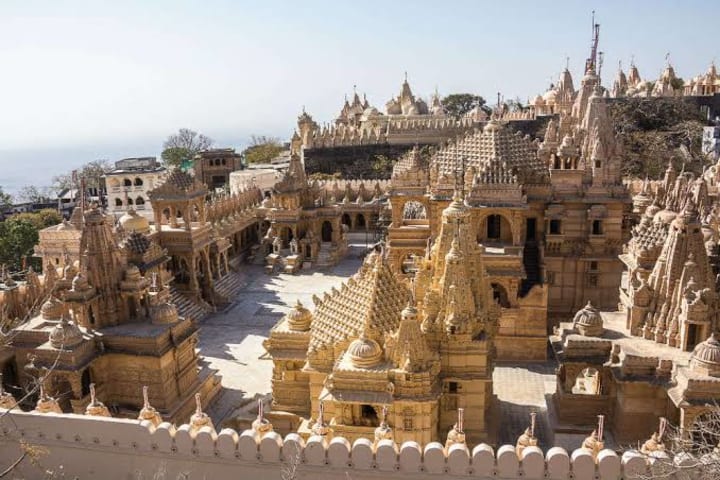
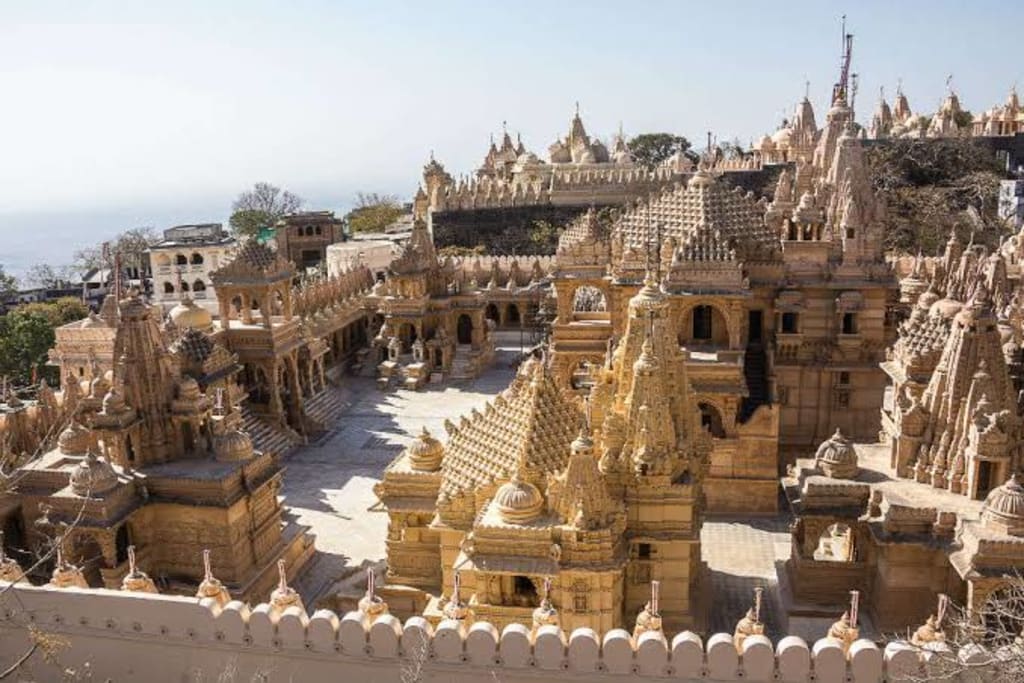
Palitana, a sacred city in Gujarat, holds the distinction of being India's first officially declared vegetarian city. In 2014, the Gujarat government banned the sale of meat, fish, and eggs in response to demands from the local Jain community, which considers all forms of animal slaughter unethical.
Jain monks protested against the killing of animals in and around the city, leading to a complete prohibition of non-vegetarian food. Today, Palitana remains a strictly vegetarian city, and any business related to meat, fish, or eggs is illegal.
2. Raghogarh-Vijaypur, Madhya Pradesh – A Town Embracing Vegetarianism
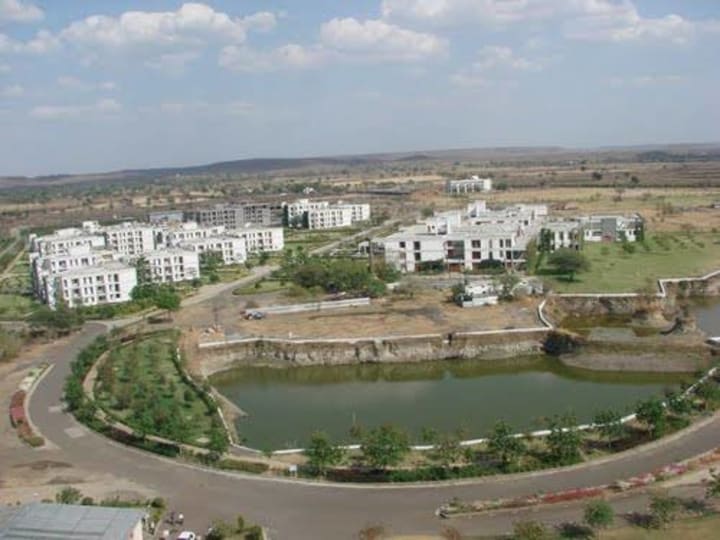
The town of Raghogarh-Vijaypur in Madhya Pradesh also follows strict vegetarian principles. This decision was made due to the influence of local religious beliefs and community sentiments. The ban includes the sale and consumption of non-vegetarian food within the town limits.
People in Raghogarh-Vijaypur believe in maintaining a pure vegetarian culture, and local authorities ensure that no meat, fish, or eggs are sold openly in markets or restaurants.
3. Gandhinagar, Gujarat – The State Capital with Restrictions
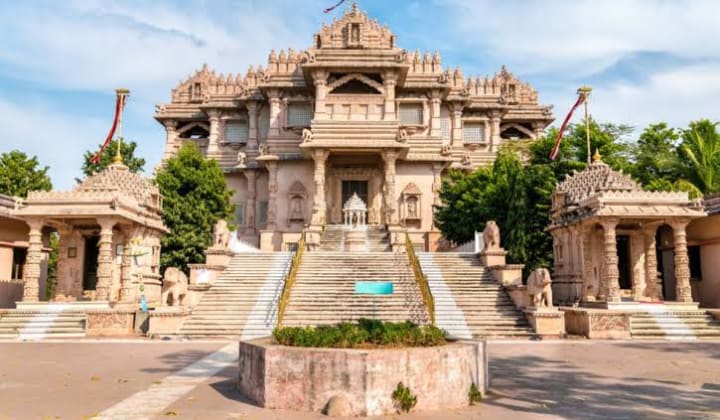
Gandhinagar, the capital of Gujarat, has imposed strict regulations on the sale of non-vegetarian food. While it is not completely banned, the sale of meat, fish, and eggs is highly restricted in certain areas, particularly near religious sites, schools, and residential zones dominated by vegetarian communities.
The city follows the broader trend seen across Gujarat, where many towns and cities either prohibit or discourage non-vegetarian food. These restrictions align with the state’s strong cultural and religious emphasis on vegetarianism.
4. Pushkar, Rajasthan – A Holy City Without Meat and Alcohol
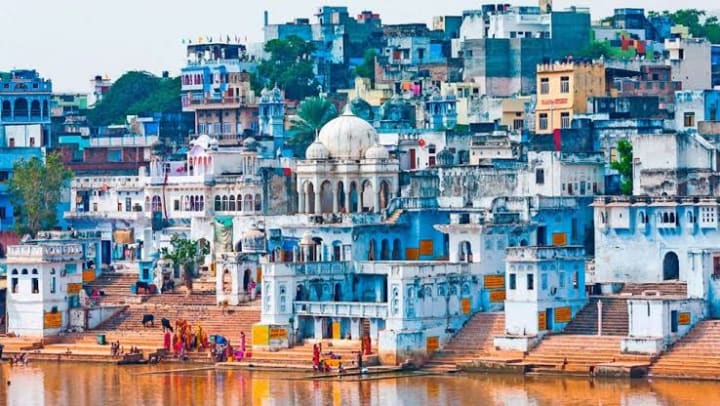
Pushkar, a revered pilgrimage site in Rajasthan, is known for its ban on both meat and alcohol. Since the town is considered sacred, especially by Hindus, non-vegetarian food is strictly prohibited within its boundaries.
Visitors to Pushkar will not find any meat-based dishes in restaurants or street food stalls. The ban reflects the town’s deep spiritual significance, as it is home to one of the only temples dedicated to Lord Brahma in the world.
5. Haridwar, Uttarakhand – The Spiritual Hub of Hindus
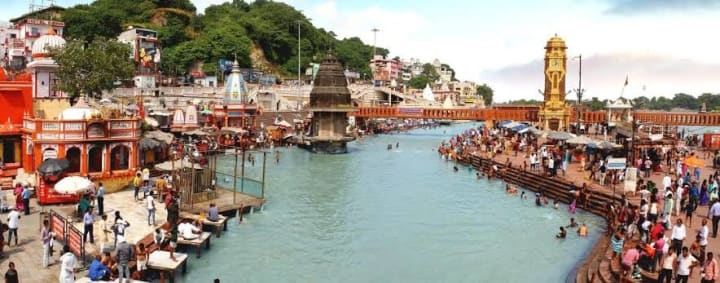
Haridwar, one of India’s holiest cities, has a strict ban on non-vegetarian food and alcohol. Since it is a major pilgrimage destination and home to the sacred Ganges River, the local authorities ensure that no meat, fish, or eggs are sold within the city limits.
This ban is rooted in the religious beliefs of Hindus, who consider Haridwar a spiritually pure location where the consumption of meat is inappropriate. Visitors and residents alike are expected to adhere to the vegetarian lifestyle.
6. Mount Abu, Rajasthan – A Hill Station with Vegetarian Norms
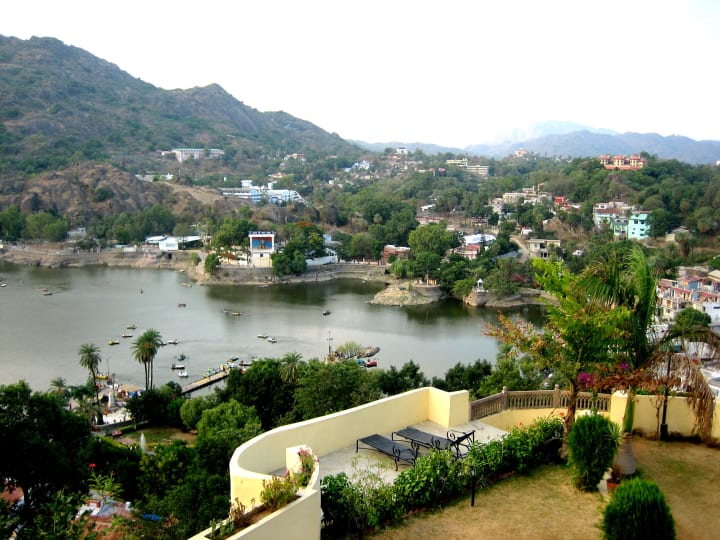
Mount Abu, Rajasthan’s only hill station, follows a vegetarian culture due to its spiritual significance. Many temples, particularly those belonging to the Jain community, have influenced the city’s dietary laws.
Although non-vegetarian food is not entirely banned, it is discouraged, and many restaurants serve only vegetarian cuisine. The influence of religious beliefs and tourism has played a key role in maintaining this restriction.
7. Ujjain, Madhya Pradesh – A Sacred City with Dietary Rules
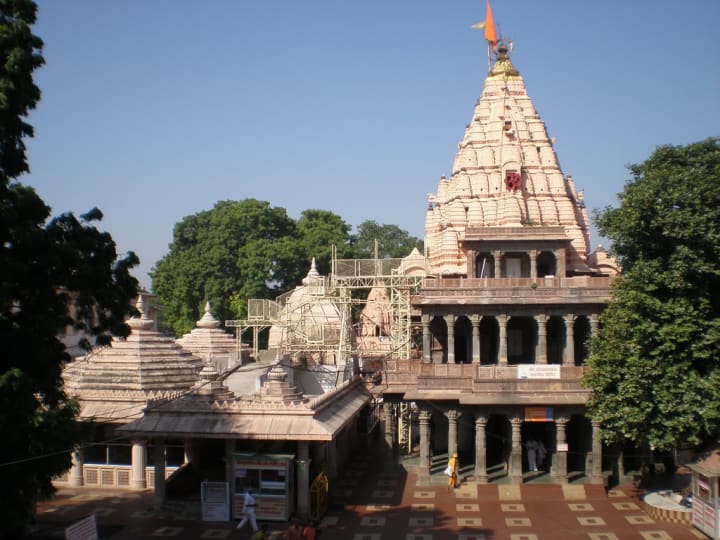
Ujjain, one of the most important religious cities in India, has strict regulations on non-vegetarian food. The city is home to the famous Mahakaleshwar Temple, dedicated to Lord Shiva, and adheres to a vegetarian culture.
While meat is not entirely banned, it is highly restricted, especially near temples and other religious sites. Many local restaurants and food vendors cater exclusively to vegetarians, preserving the city's religious customs.
Impact of Non-Vegetarian Food Bans
The ban on non-vegetarian food in these cities has both cultural and economic implications. On one hand, it upholds religious sentiments and promotes a vegetarian lifestyle. On the other hand, it affects meat vendors, fishermen, and restaurants that rely on selling non-vegetarian dishes.
For travelers who prefer non-vegetarian food, these bans can be a challenge. However, they also offer an opportunity to explore India’s diverse vegetarian cuisine, which includes a variety of flavorful dishes made with fresh vegetables, lentils, and dairy products.
Conclusion
India’s dietary landscape is shaped by deep-rooted religious and cultural beliefs. While most Indian cities embrace a mix of vegetarian and non-vegetarian food, some have chosen to prohibit meat and fish due to spiritual considerations. Whether you are a vegetarian or a non-vegetarian, these cities offer a unique insight into India's diverse food traditions and the significance of dietary choices in shaping cultural identities.
Would you visit these vegetarian cities? Let us know your thoughts!
About the Creator
Keep reading
More stories from INFO INSIDER and writers in Earth and other communities.
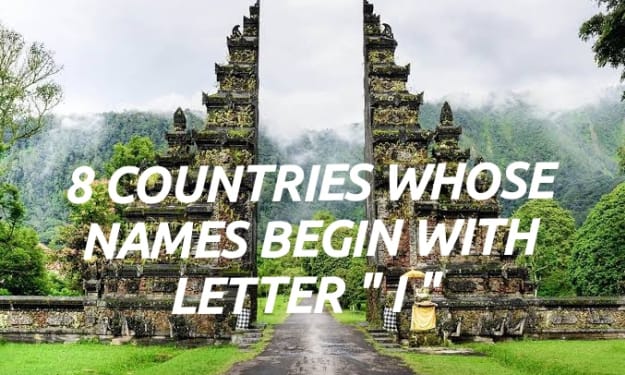
8 Countries Whose Names Begin egin With Letter " I "
When it comes to geography, the world is a fascinating tapestry of cultures, landscapes, and histories. Among the 195 countries on Earth, eight of them proudly bear names starting with the letter “I.” These countries—India, Indonesia, Iran, Iraq, Ireland, Israel, Italy, and Iceland—offer a rich diversity of experiences. Let’s explore what makes each of these nations unique.
By INFO INSIDER 12 months ago in Earth
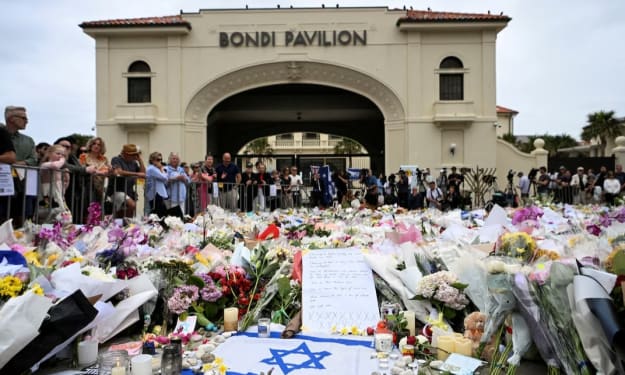
Top Australian Writers’ Festival Cancelled After Palestinian Author Barred
One of Australia’s most respected literary festivals has been cancelled following a fierce backlash over the decision to bar a Palestinian author from participating. What began as a programming dispute quickly escalated into a national debate about free speech, cultural inclusion, and political pressure in the arts. The cancellation has sent shockwaves through Australia’s literary community, raising urgent questions about whose voices are allowed on public platforms and at what cost.
By Aarif Lashari4 days ago in Earth
The Trans Youth Athletes in the US Fighting for Their Rights: ‘Playing Is an Act of Resistance’
Across the United States, sports have become an unexpected front line in the fight over transgender rights. For many trans youth athletes, simply stepping onto a field, track, or court is no longer just about competition—it is an act of resistance. As state legislatures debate and pass laws restricting transgender participation in school sports, young athletes are finding themselves at the center of a national culture war that reaches far beyond the locker room.
By Aarif Lashari4 days ago in Earth


Comments
There are no comments for this story
Be the first to respond and start the conversation.