
3 Ways Sea Species Are Going Extinct
The Precarious Fate of Sea Species: Unraveling the Causes and Urging Conservation

Sea species are facing an alarming threat of extinction due to climate change, overfishing, and habitat destruction. Rising ocean temperatures disrupt fragile ecosystems, while overfishing and unsustainable practices deplete fish stocks and disrupt marine food chains. Habitat destruction and pollution further exacerbate the crisis. Urgent action is needed to protect sea species through conservation efforts and addressing the root causes. Understanding the interconnectedness of these factors highlights the pressing need to preserve the delicate balance of marine ecosystems.
Rising ocean temperatures
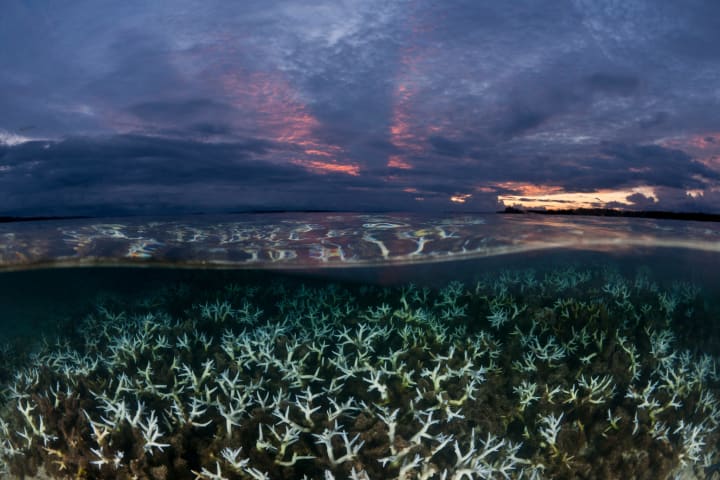
Rising ocean temperatures have emerged as a critical factor contributing to the extinction of sea species. This phenomenon is primarily driven by climate change, which is largely a consequence of human activities. As the climate warms, the world's oceans experience a profound impact, disrupting delicate ecosystems and pushing marine life to the brink.
One of the most devastating effects of rising ocean temperatures is the phenomenon known as coral bleaching. Corals, the building blocks of vibrant and diverse reef ecosystems, rely on a symbiotic relationship with algae called zooxanthellae for their survival. However, under stressful conditions such as high water temperatures, corals expel these algae, resulting in their bleached appearance. Without the essential nutrients provided by zooxanthellae, corals become weak and vulnerable, ultimately leading to their death.
The consequences of coral bleaching extend far beyond the corals themselves. Coral reefs serve as crucial habitats for a wide array of marine species, offering protection, food sources, and breeding grounds. As corals perish, these intricate ecosystems collapse, and the associated species face displacement, reduced food availability, and increased vulnerability to predators.
Furthermore, rising ocean temperatures also disrupt the life cycles and behavior of various marine species. Many fish, for example, have specific temperature ranges within which they can thrive. As waters warm, these species are forced to migrate to find suitable temperatures or face reduced reproduction rates and impaired development. This disruption can have profound consequences for the overall health and stability of marine food webs.
The urgency of addressing rising ocean temperatures cannot be overstated. Mitigating climate change through reducing greenhouse gas emissions, transitioning to renewable energy sources, and implementing sustainable practices across various industries is crucial. Additionally, efforts to protect and restore coral reefs, such as reducing pollution and implementing marine protected areas, are essential to preserving the biodiversity and resilience of marine ecosystems.
By understanding the detrimental impact of rising ocean temperatures on sea species, we can work towards effective conservation strategies that mitigate this threat. With concerted global action, there is hope for reversing the current trajectory and ensuring a sustainable future for our oceans and the remarkable species that call them home.
overfishing and unsustainable practices
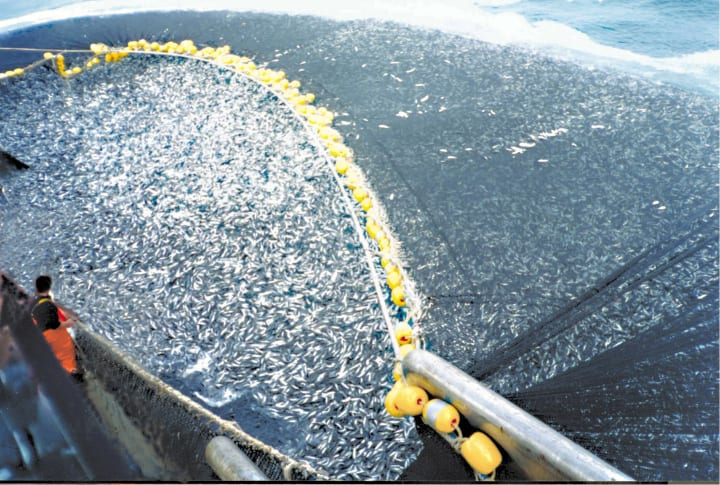
Overfishing and unsustainable fishing practices have emerged as significant drivers of sea species extinction, posing a severe threat to the delicate balance of marine ecosystems. Human activities driven by profit and high demand have led to the depletion of fish populations and the disruption of marine food chains.
Overfishing occurs when fish are harvested at a rate that exceeds their ability to reproduce and replenish their populations. This uncontrolled exploitation has resulted in the collapse of numerous fish stocks worldwide. Large-scale commercial fishing operations often employ destructive methods, such as bottom trawling, which involves dragging heavy nets along the ocean floor, indiscriminately capturing not only target species but also destroying habitats and catching non-targeted species, known as bycatch.
Unsustainable fishing practices further exacerbate the problem. These practices include using fishing gear that causes excessive damage to marine ecosystems, such as the use of dynamite or cyanide, which can devastate coral reefs and other delicate habitats. Illegal, unreported, and unregulated fishing activities also contribute to the problem, as they often involve fishing beyond set quotas, using prohibited gear, or operating in protected areas.
The consequences of overfishing and unsustainable practices extend far beyond the species being directly targeted. When predator populations decline due to overfishing, it disrupts the delicate balance of marine food chains. This disruption can have cascading effects throughout the ecosystem, leading to population declines in other species, including those not directly targeted by fishing activities.
To address the crisis of overfishing and unsustainable practices, sustainable fishing management strategies are crucial. These include implementing science-based fisheries management plans, setting catch limits and quotas that allow fish populations to recover, implementing gear modifications to reduce bycatch, and establishing marine protected areas to safeguard critical habitats. Additionally, promoting responsible consumer choices and supporting sustainable fishing practices can drive market demand towards more sustainable and ecologically friendly seafood options.
By addressing overfishing and adopting sustainable fishing practices, we can work towards restoring fish populations, rebuilding ecosystems, and preserving the intricate interconnectedness of marine life. Collaboration between governments, fishing industries, conservation organizations, and consumers is vital to ensure the long-term sustainability of our oceans and the invaluable sea species they support.
Habitat destruction and pollution
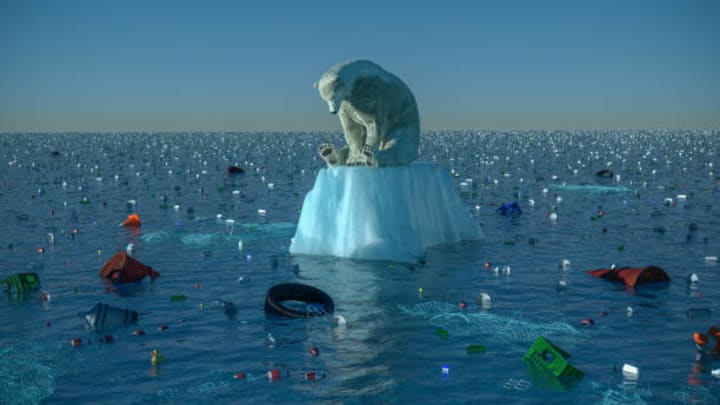
Habitat destruction and pollution pose significant threats to sea species, contributing to their ongoing extinction crisis and the degradation of marine ecosystems. Human activities, driven by urbanization, industrialization, and inadequate waste management practices, have resulted in the loss of critical habitats and the contamination of marine environments.
Habitat destruction involves the loss or degradation of essential ecosystems that provide crucial resources and shelter for a wide range of sea species. Coastal development projects, including infrastructure construction and land reclamation, often lead to the destruction of mangroves, seagrass meadows, and salt marshes. These habitats serve as nurseries for juvenile fish, provide breeding grounds for various species, and offer protection against predators. The loss of these habitats disrupts the life cycles and survival of many sea species.
Pollution, both chemical and plastic, poses a grave threat to marine environments. Industrial and agricultural runoff, sewage discharge, and oil spills introduce toxic substances into the water, leading to pollution that can have devastating consequences for marine life. Pollutants can accumulate in the tissues of sea species, causing physiological damage, impairing reproduction, and weakening immune systems. Additionally, plastic waste, which persists in the environment for hundreds of years, accumulates in the oceans, posing entanglement and ingestion risks to marine species. This not only causes direct harm but also disrupts ecosystems and can lead to the decline of species populations.
The interconnectedness of marine ecosystems means that habitat destruction and pollution have far-reaching effects. The loss of key habitats reduces biodiversity and weakens the overall resilience of marine ecosystems. Moreover, the decline of certain species can have ripple effects throughout the food chain, impacting the abundance and distribution of other species.
To address habitat destruction and pollution, concerted efforts are required. Implementing and enforcing stringent environmental regulations, promoting sustainable coastal development practices, and investing in waste management infrastructure are essential. Furthermore, reducing plastic consumption, improving recycling systems, and raising awareness about the impacts of pollution are crucial steps towards mitigating this threat.
Conservation initiatives that focus on habitat restoration and protection play a pivotal role in preserving the remaining critical habitats. Establishing marine protected areas and promoting sustainable fishing practices can help safeguard vulnerable ecosystems and allow for the recovery of sea species.
By recognizing the detrimental effects of habitat destruction and pollution on sea species, we can strive to reverse these trends and ensure the preservation of marine biodiversity. Through a combination of responsible human activities, effective regulations, and global collaboration, we can work towards a sustainable future that safeguards the invaluable habitats and species that depend on our oceans.
The alarming extinction crisis facing sea species demands immediate attention and concerted action. Rising ocean temperatures, overfishing and unsustainable practices, habitat destruction, and pollution are driving forces behind this dire situation. The interconnectedness of these factors highlights the urgent need to address them collectively to protect marine ecosystems and the diverse species they support.
Rising ocean temperatures, largely driven by climate change, have led to the widespread bleaching and degradation of coral reefs, disrupting the intricate balance of marine life. Overfishing and unsustainable practices have depleted fish populations and disrupted marine food chains, endangering not only targeted species but also entire ecosystems. Habitat destruction and pollution further compound the threats, destroying critical habitats and introducing toxic substances into marine environments.
To combat these challenges, comprehensive conservation efforts are necessary. Mitigating climate change, implementing sustainable fishing practices, and preserving and restoring critical habitats are crucial steps forward. This requires the collaboration of governments, industries, conservation organizations, and individuals to enact effective policies, promote responsible consumer choices, and support sustainable initiatives.
The urgency of action cannot be overstated. By addressing the root causes of sea species extinction and adopting sustainable practices, we can work towards restoring the delicate balance of marine ecosystems. Conservation initiatives, scientific research, and community engagement play vital roles in raising awareness and driving positive change.
About the Creator
Keep reading
More stories from Keamogetswe Mashabane and writers in Earth and other communities.
3 Cool Home Appliances
In today's fast-paced and interconnected world, technology continues to revolutionize the way we live. From smartphones to smart homes, our daily lives are becoming increasingly intertwined with innovative gadgets and appliances. In this article, we will delve into the realm of home appliances and explore three remarkable devices that are shaping the way we experience home living: the Bottle Compressor Wine Cooler Refrigerator, robot vacuum cleaner, and the smart thermostat.
By Keamogetswe Mashabane3 years ago in FYI
Disappeared Bodies, Mass Burials and ‘30,000 Dead’
For years, reports emerging from Iran have painted a grim and often confusing picture of death tolls tied to political unrest, state violence, pandemics, and human rights abuses. Allegations of disappeared bodies, mass burials, and claims of “30,000 dead” have circulated widely among activists, exiled communities, and international media. Yet, inside Iran, official figures often tell a very different story.
By Aarif Lashariabout 3 hours ago in Earth


Comments
There are no comments for this story
Be the first to respond and start the conversation.