
12 Facts You Probably Did Not Know About Lions
A dozen roaring truths about lions at your fingertips

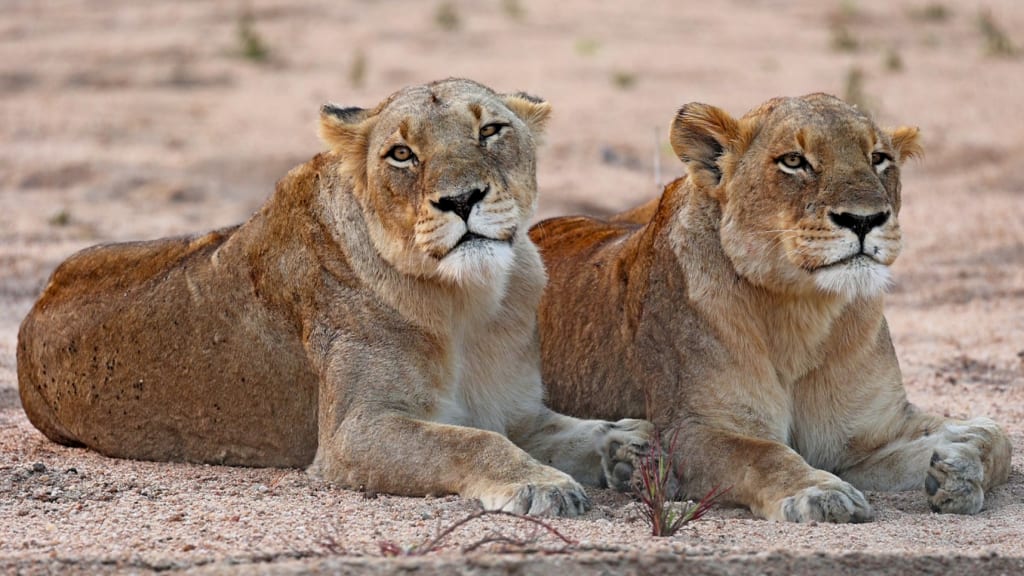
Lions are among the most astounding animals in the world, often symbolising strength, courage, and magnificence. Beyond their reputation as apex predators, there is a lot more to these big cats than meets the eye. Whether you are a wildlife fanatic or just curious about the ‘king of the jungle’, these insights will deepen your appreciation for one of nature's most fascinating and powerful creatures.
Female Lions Do Most of the Hunting
In a pride, it is the lionesses who handle most of the hunting. Males may help with larger kills, but females are the true providers. Female lions are the ones who make the decisions and plan the coordination, ensuring the survival of the pride.
A Lion's Roar Can Be Heard 5 Miles Away
Lions have one of the loudest roars in the animal kingdom. It helps them communicate with their pride and warn rivals from afar. This roar demands attention. Rangers usually rely on a lion's roar to pinpoint its location during still and dense air.

Lions Rest Up to 20 Hours a Day
These apex predators are big on conserving energy, often spending most of the day sleeping or lounging in the shade. In terms of survival, sleep is a must for these giants. Fuelling up on energy during the day gives lions an advantage when it comes to their hunting time.
They Are the Only Social Big Cats
Unlike leopards and tigers, lions live in social groups called ‘prides. A pride can include up to 30 individuals, many of whom are mostly females with their cubs, and a few males.
Lion Cubs Are Raised Together
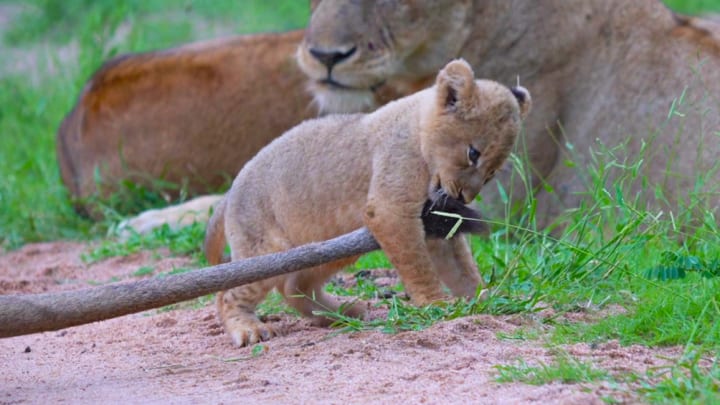
Lionesses raise their cubs communally (as a pride), allowing strong and permanent social bonds to develop among pride companions. This kind of joint parenting increases cub survival rates.
Males Take Over Prides by Force
When a new coalition of males takes over a pride, they often execute the existing cubs. This brings the females back into heat, allowing the new males to sire their offspring.
A Lion's Mane Signals Strength
The darker and fuller a male's mane, the more attractive he appears to females. It also signals strength and maturity to rival males. A lion’s mane signals dominance and genetic fitness. The mane serves as a protective barrier during fights and attracts lionesses with its fullness and colour.
Lions Can Mate Over 100 Times a Day
During the mating season, lions may mate every 15 to 30 minutes for several days. It is exhausting, but it increases the chances of successful reproduction. Being a polygamous species, lions breed throughout the year. Females are restricted to one or two male lions within their pride. Lions will breed no more than once every two years in the wild.

They Can Go Days Without Drinking
Lions retain most of their moisture from their prey and can survive for days without drinking water directly, especially in dry regions.
Lions Are Losing Their Range
Lions once roamed across Europe, the Middle East, and Asia. Today, they are primarily found in parts of sub-Saharan Africa, with a small population also remaining in India.
Lions Use Their Tails to Communicate
Lions use subtle tail movements to signal each other during hunts or while moving as a group. A flick or wave of the tail can indicate direction or intention, helping the pride coordinate silently. For those with cubs, tail communication is vital as cubs depend on their mothers for survival, especially when moving through long and thick pastures, so they do not lose sight of her.
Lionesses Stay and Males Move On
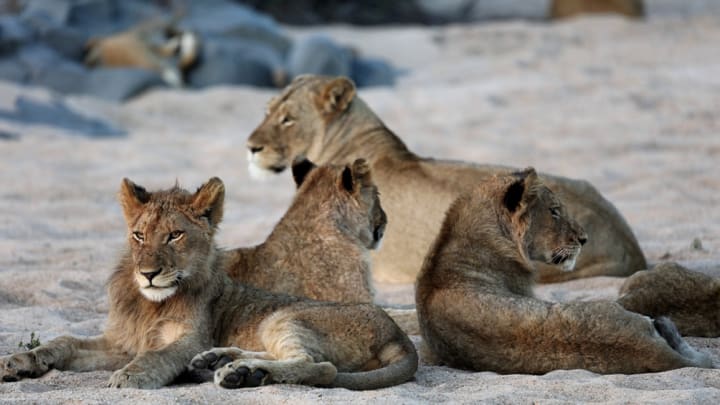
Female lions typically remain in the pride they were born into for life, creating strong family bonds. Males, on the other hand, leave when they mature and must fight to take over a new pride, proving their dominance.
If you think you have the strength of a lion, make sure to share what you have learnt about these mighty cats with your friends and family!
Author: Alyssia Doolabh
About the Creator
Latest Sightings
Latest Sightings, is a real-time wildlife spotting community that connects nature lovers with the most incredible animal encounters, captured and shared by rangers, tourists, and locals across Africa's national parks and reserves.
Keep reading
More stories from Latest Sightings and writers in Earth and other communities.
Heatwave Warnings Across Australia as Millions Celebrate National Day
Scorching temperatures challenge celebrations as authorities urge caution As Australia prepares to celebrate its National Day, millions of citizens are facing an unexpected challenge: extreme heat across large parts of the country. Weather authorities have issued heatwave warnings, urging residents to take precautions while enjoying holiday events, including outdoor gatherings, parades, and fireworks displays. The timing is unfortunate, as Australia typically celebrates its national day with widespread outdoor festivities. This year, however, soaring temperatures and record-breaking conditions are forcing people to reconsider how they celebrate safely. Heatwave Conditions Across the Country Meteorologists report that much of southeastern and central Australia is experiencing temperatures well above the seasonal average. Cities such as Sydney, Melbourne, and Canberra are seeing daytime highs reaching 40°C (104°F) or more. The Australian Bureau of Meteorology has classified the conditions as a significant heatwave, noting that: High humidity combined with extreme heat can pose health risks. Urban areas are particularly vulnerable due to the heat island effect, which makes cities hotter than surrounding rural regions. Fire risks are elevated in many regions due to dry vegetation. Authorities are advising the public to stay hydrated, avoid prolonged sun exposure, and check on vulnerable family members, especially the elderly and children. Impact on National Day Celebrations Australia Day is typically marked by community events, barbecues, concerts, and outdoor activities. The heatwave, however, is forcing organizers to make adjustments: Some fireworks shows have been rescheduled or canceled in high-risk areas. Public swimming pools and beaches are seeing higher attendance as people try to cool off safely. Local governments are opening cooling centers for residents who may not have access to air conditioning. Despite these precautions, officials warn that large outdoor gatherings could be dangerous if people do not follow heat safety guidelines. Health Risks of Extreme Heat Heatwaves are not just inconvenient; they can be serious health hazards. Common risks include: Heat exhaustion, which can cause dizziness, nausea, and fainting Heatstroke, a life-threatening condition if not treated promptly Dehydration, which can lead to kidney issues or worsen chronic conditions Medical professionals emphasize the importance of limiting strenuous outdoor activities, wearing light, breathable clothing, and drinking plenty of water. Even short exposure to extreme temperatures can be harmful, especially for vulnerable populations. Environmental and Safety Concerns The heatwave is also raising concerns about wildfires, particularly in rural and bushland areas. Dry conditions combined with strong winds make fires more likely to start and spread quickly. Firefighters are on high alert, and authorities are warning residents to follow fire safety regulations, including restrictions on open flames. Additionally, transportation authorities are monitoring road and rail infrastructure, as extreme heat can cause asphalt to soften and rails to expand, posing potential hazards for commuters. Government Response and Precautions Australian authorities are taking a proactive approach to minimize risks during the heatwave: Emergency services have issued heatwave alerts and are coordinating response plans. Public health campaigns are educating citizens about heat safety and hydration. Local councils are distributing water and cooling options for communities in urban heat islands. Authorities also encourage residents to check on neighbors, particularly the elderly, who may be at higher risk during prolonged heatwaves. The Bigger Picture: Climate Change and Heatwaves Experts say that heatwaves like this are becoming more frequent and intense due to climate change. Rising global temperatures increase the likelihood of extreme heat events, which can disrupt daily life, public health, and critical infrastructure. Australia, with its vast and diverse climate, is particularly vulnerable. Long-term projections suggest that more frequent, longer-lasting heatwaves could become a norm, making public awareness and preparedness even more crucial. Tips for Staying Safe During the Heatwave Officials and health experts recommend several strategies for staying safe: Stay indoors during peak heat hours (usually 11 a.m. to 4 p.m.). Use fans or air conditioning to maintain a cool environment. Drink water regularly; avoid alcohol and caffeinated beverages that can increase dehydration. Wear lightweight, loose-fitting clothing and use sunblock if venturing outdoors. Check on neighbors and family members, especially children and the elderly. By following these measures, Australians can still enjoy National Day celebrations safely despite extreme weather. Conclusion Australia Day is a time for community, celebration, and reflection, but this year’s heatwave reminds citizens of the power of nature and the importance of preparedness. With millions expected to participate in festivities, officials urge the public to balance celebration with safety. While the extreme temperatures may create challenges, Australians have shown resilience in the past. By following guidelines and taking precautions, communities can enjoy the national holiday without compromising health or safety, proving once again that preparation and awareness are key in the face of extreme weather.
By Fiaz Ahmed 4 days ago in Earth




Comments
There are no comments for this story
Be the first to respond and start the conversation.