
10 Unique Facts about Kashmir
Kashmir is locally called Kasheer
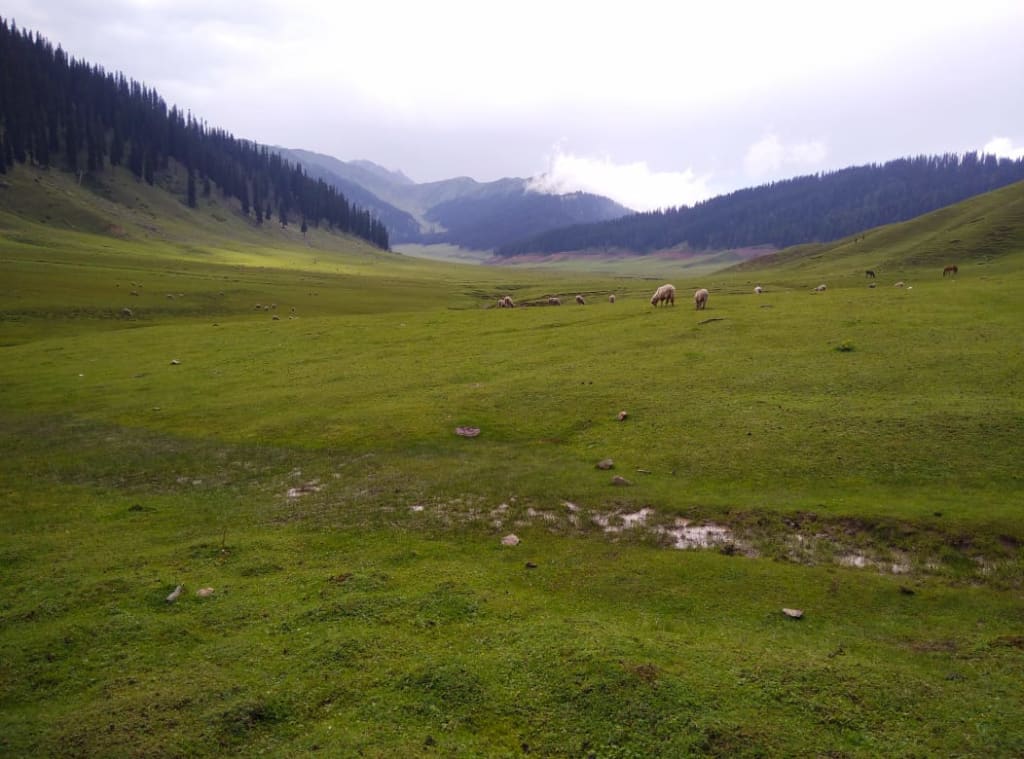
1. Himalayan Ranges
The state of Jammu and Kashmir (J&K), lying between latitude 32.28–37.06° and longitude 72.53–80.32°, is located in the northwestern part of the Himalayan mountain arc at an altitudinal range of 220 to 8611 m above mean sea level. The state shares its borders with the neighboring Indian states of Himachal Pradesh and Punjab on the south and with Pakistan and China in the west and east, respectively. It comprises mountain ranges starting from the Siwaliks in the south, followed by the Pir Panjal, the Greater Himalaya, the Zanaskar range, and finally the Karakoram in the north. The Zabarwan Hill range is right in backdrop of Dal Lake. Each of these ranges has its own unique landscapes, flora and fauna, and culture.
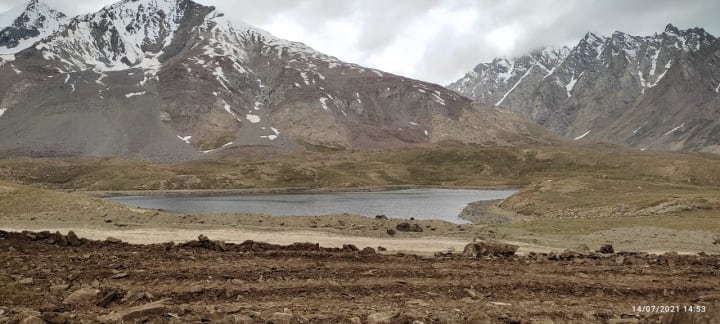
2. Chillai Kalaan
Chillai Kalan is a 40-day period of harsh winter weather in the Kashmir region. It typically starts around the end of December and lasts until the end of January. During this time, the region experiences some of the coldest temperatures of the year and heavy snowfall, making it the most severe part of the winter season. During Chillai Kalan, the temperature can drop as low as -20 degrees Celsius (-4 degrees Fahrenheit) in higher reaches, however in Srinagar, the lowest temperature on average fluctuates between -4 to -10 degrees Celsius, and the region is covered in a blanket of snow which makes it more beautiful.
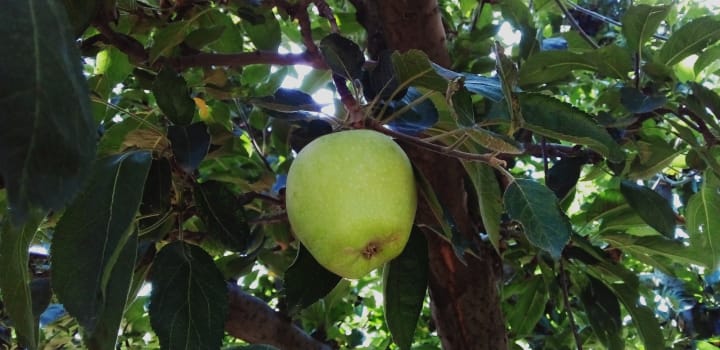
3. Apple gardens and Saffron
Kashmir is known for its apple gardens, which are a major source of income for many farmers in the region. The region's cool and temperate climate, along with its well-drained soil, provides ideal growing conditions for apples. The apple orchards in Kashmir are known for producing high-quality apples that are exported to many countries. Kashmiri apples are the tastiest and of different varieties, some are crisp and juicy, while others are soft and sweet. The most popular varieties of apples grown in the region are Royal Delicious, Red Delicious, Golden Delicious, Fuji, and Granny Smith.
Saffron is a spice that is produced from the flowers of the saffron crocus, Saffron is grown in Kashmir, where it is known for its high quality and is considered one of the most expensive spices in the world. It is mainly grown in the Pampore region of Jammu & Kashmir.
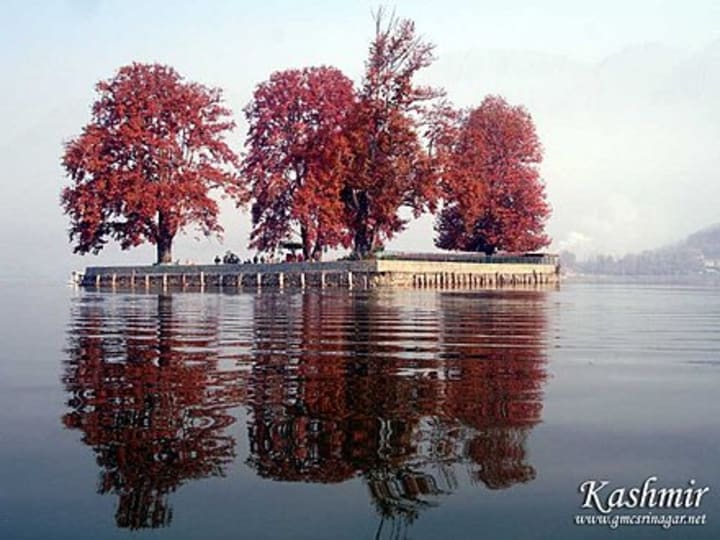
4. Chinar tree (Platanus orientalis)
The Chinar tree is a species of the maple tree that is native to the Kashmir region of South Asia. It is known for its large, deciduous leaves that turn brilliant red or orange in the fall. The Chinar tree is the national tree of Kashmiran, an important cultural and ecological symbol, and is often referred to as the "King of Trees" in the region. The tree is known for its large size and wide canopy, which provides shade and shelter for many other species of plants and animals.
5. Wazwan (Kashmiri Cuisine)
Wazwan is a traditional multi-course meal of Kashmiri cuisine that is usually served on special occasions and is prepared by a group of skilled chefs known as "wazas."
Wazwan typically includes more than 30 dishes, with meat being the main ingredient. Some popular dishes include Rogan Josh (meat cooked in a spicy gravy), Rista (meatballs in red gravy), kebab, tabakh maaz (made from rib cage and prepared in ghee), and Yakhni (meat cooked in yogurt-based sauce). The meal is traditionally served on a large platter called a "trami," and is accompanied by rice and yogurt-based side dishes.

6. Pheran (Cloak):
A "pheran" is a traditional cloak worn by people in the Kashmir region. Pheran is a long and loose-fitting garment made of wool and is typically worn during the colder months by all the people in Kashmir to keep themselves warm. Pherans are usually knee-length long and come in different colors, designs, and styles. Pherans are a distinctive feature of the Kashmiri culture and are an important part of the region's traditional attire. They are worn by both men and women, but men's pherans tend to be simpler in design, while women's pherans are more ornate and decorated with intricate embroidery called tilla work.

7. Pashmina Shawls
Pashmina shawls are a type of luxury woolen shawl that is made from the fine, soft undercoat of the Changthangi or Pashmina goat, which is native to the high-altitude regions of the Himalayas. Pashmina shawls are known for their warmth, softness, and durability that is made with traditional hand-weaving technique and are often decorated with intricate designs and patterns. They are worn as fashion accessories and are often used as a wrap or scarf. It is one of the traditional and popular gifts for brides from the groom's family.
8. Nun Chai (Salt tea)
Nun chai, also known as "salt tea," is a type of tea that is made with tea leaves and salt brewed in a traditional metal or earthenware teapot called "Samavar" and is often served with milk and enjoyed by people of all ages in the Kashmir region.

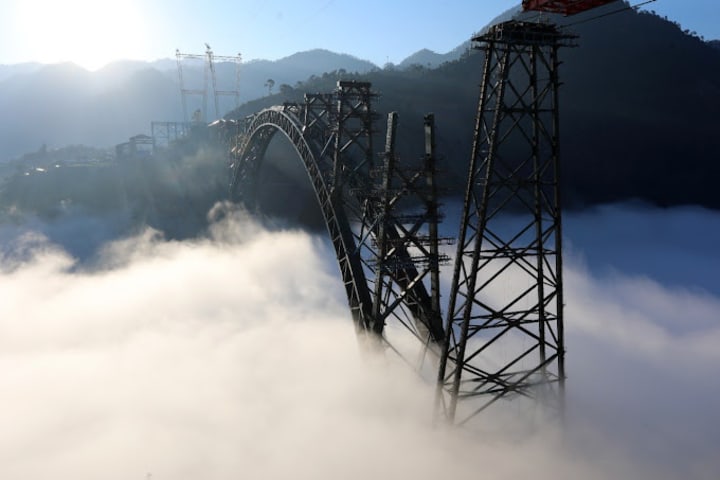
9. Chenab Bridge:
The Chenab Bridge is a railway bridge that is being built across the Chenab River, which flows in the Kashmiri region The Chenab Bridge will be the highest railway bridge in the world, at a height of 359 meters (1,178 feet) above the river. It will be a single arch-shaped steel structure that is designed to withstand the strong winds and seismic activity in the region. It will connect the cities of Jammu and Srinagar and improve access to the region for tourists and visitors. The Construction began in 2002 and it is expected to be completed by 2025.
10. Highest Militarised Zone
Kashmir is the highest militarised zone in the world with more than 1 million Indian forces including Rashtriya Rifles (RR), Border Security Forces (BSF), Central Reserve Police (CRP), ITBP, JKP, etc. The region has seen a lot of violence and human rights violations.
About the Creator
Reader insights
Outstanding
Excellent work. Looking forward to reading more!
Top insights
Easy to read and follow
Well-structured & engaging content
Expert insights and opinions
Arguments were carefully researched and presented
On-point and relevant
Writing reflected the title & theme
Keep reading
More stories from writers in Earth and other communities.
The New Gold Rush is Happening at Wastewater Treatment Plants
I never thought much about where wastewater goes after it leaves my house until I read a study from Arizona State University. Researchers tested sewage sludge from cities across America and found something remarkable.
By Marcus Briggsabout 16 hours ago in Earth
Inflation Remained at 2.7% in December: High Prices Continue to Weigh on Many Americans
As Americans rang in the new year, many were relieved to see that inflation in December held steady at 2.7%, according to the latest reports. On the surface, this might seem like good news — a signal that runaway price growth is slowing. But for countless households across the country, the reality is more complicated: high prices continue to strain budgets, affecting everything from groceries to gas, rent, and beyond. The Numbers Behind the Headlines December’s 2.7% inflation rate, measured year-over-year, shows no significant change from November. This is a continuation of the trend economists have watched closely throughout 2025: after a period of intense price spikes, inflation appears to be moderating but remaining stubbornly above pre-pandemic norms. Key areas contributing to this steady inflation include: Food prices, particularly meat, dairy, and fresh produce, which have remained elevated due to supply chain challenges and global agricultural pressures. Housing costs, including rents and home prices, which continue to rise in many urban and suburban markets. Energy prices, especially gasoline and home heating, which fluctuate seasonally but have not dropped enough to ease household pressure. While 2.7% may seem manageable compared to the double-digit spikes of 2021–2022, it still outpaces wage growth for millions of Americans, meaning that in real terms, many are experiencing reduced purchasing power. How Inflation Affects Everyday Americans For many families, the impact of steady inflation is tangible. Consider this: a household spending $500 a month on groceries in 2025 might now be paying over $535 for the same items. Gasoline, which has seen seasonal swings, can quickly add dozens of dollars to monthly commuting costs. Rent, historically the largest expense for most households, has grown faster than wages in many cities. A steady 2.7% inflation rate means renters face incremental increases in living costs every month, often outpacing salary adjustments. Even seemingly small price increases ripple across budgets. Families may delay purchases, cut discretionary spending, or tap savings, which in turn affects broader consumer demand — a key driver of economic growth. The Role of the Federal Reserve and Economic Policy Inflation is not just about prices at the grocery store — it’s also shaped by monetary policy, interest rates, and government action. Throughout 2025, the Federal Reserve maintained a cautious approach, keeping interest rates relatively high to control inflation without triggering a recession. The Fed’s actions aim to balance: Slowing price growth to protect consumers’ purchasing power Avoiding a sharp economic downturn that could result from overly aggressive rate hikes Despite these efforts, economists warn that inflation’s persistence at 2.7% suggests structural pressures in the economy. Global supply chain disruptions, rising energy costs, and ongoing demand for goods and services continue to exert upward pressure on prices, making it harder for policy alone to bring relief. Inflation and Wage Growth: A Delicate Balance One of the most concerning aspects of steady inflation is its relationship with wages. For workers whose salaries haven’t kept pace with rising costs, inflation effectively reduces real income. Some sectors, like technology and healthcare, have seen modest wage gains, but many service industries — retail, hospitality, and small businesses — continue to struggle. Employees in these fields often find that even small price increases can significantly affect their quality of life, from grocery shopping to transportation and childcare expenses. What This Means for the Economy Steady inflation at 2.7% has several implications for the broader economy: Consumer Spending: When households feel the pinch, discretionary spending declines, which can slow economic growth. Investment Decisions: Businesses facing higher input costs may delay expansion or hiring, affecting job markets. Housing Market Dynamics: Rising rent and home prices continue to challenge affordability, influencing both buyers and renters. Financial Planning: Americans are increasingly turning to budgeting strategies, high-yield savings, or side income to offset higher costs. Economists stress that while inflation at this level is not catastrophic, it remains a long-term concern, especially if wages fail to keep up with price growth. Strategies for Coping with Persistent Inflation For households navigating these pressures, there are several approaches: Budget adjustments: Tracking expenses and prioritizing essential costs can help manage monthly finances. Smart shopping: Using discounts, bulk purchasing, and price comparison can reduce grocery and household costs. Energy efficiency: Lowering utility bills through energy-saving practices mitigates rising energy prices. Financial literacy: Investments, savings, and debt management become even more crucial in times of persistent inflation. While these steps cannot eliminate inflation’s impact, they provide tangible ways for Americans to protect their finances. Looking Ahead Economists predict that inflation in 2026 may continue to hover around 2–3%, barring unexpected shocks such as global conflicts, energy crises, or supply chain disruptions. While not extreme, this range continues to influence household budgets, corporate planning, and government policy decisions. For many Americans, the lesson is clear: even modest inflation can weigh heavily on day-to-day life. Staying informed, adjusting financial habits, and understanding the economic landscape remain essential for navigating a world where prices are higher than before. Steady inflation at 2.7% is a reminder that economic stability is fragile. While the numbers suggest moderation, the lived experience of millions of Americans shows that high prices are far from over, influencing decisions from grocery shopping to career planning. As the new year unfolds, households, businesses, and policymakers alike must grapple with the realities of an economy where every percentage point matters.
By Muhammad Hassan7 days ago in Earth


Comments
There are no comments for this story
Be the first to respond and start the conversation.