

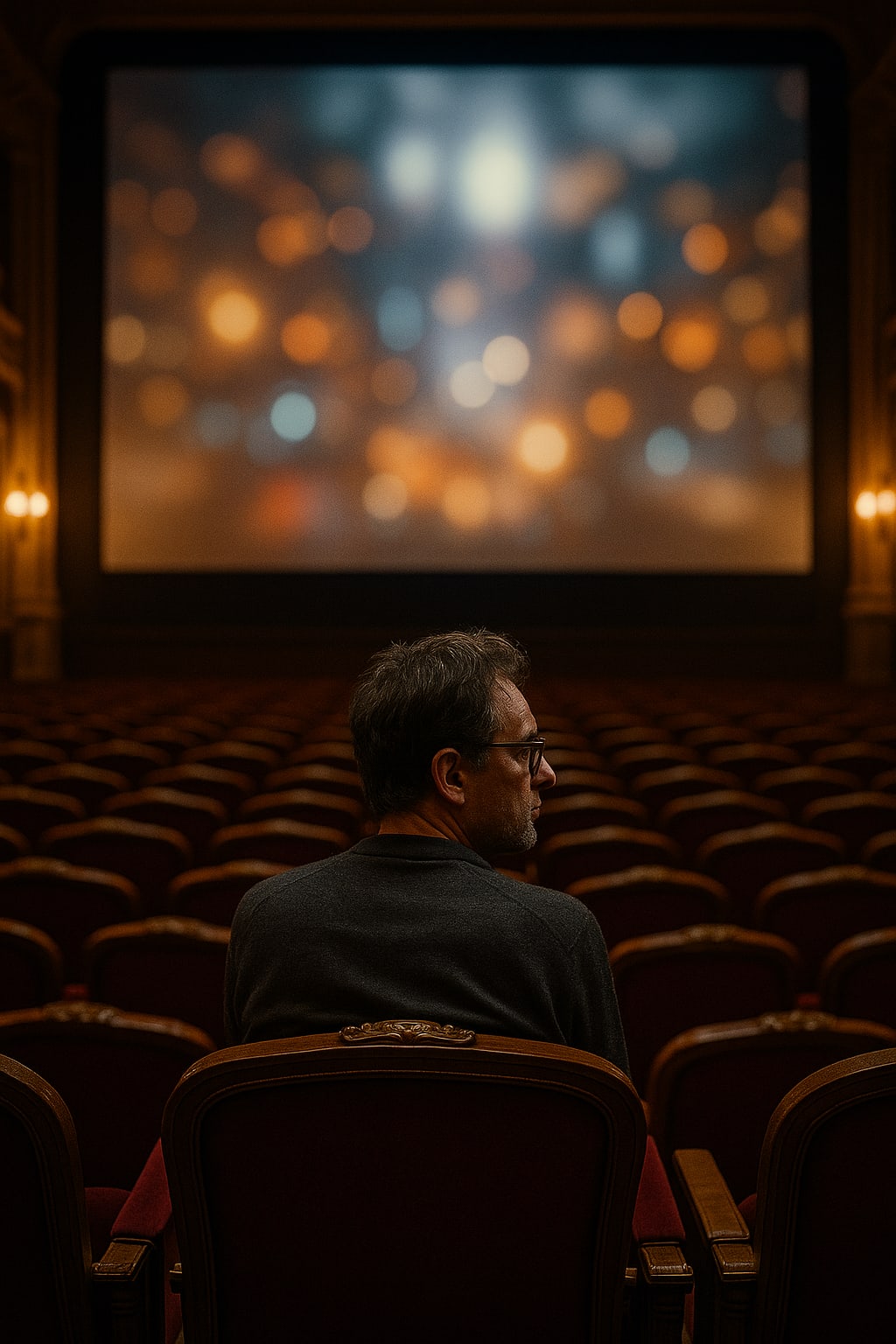
Why modern movies feel less thrilling than the classics we loved
What if the dazzling spectacle of modern cinema is just smoke and mirrors?
Once upon a time, walking into a movie theater felt like stepping into another dimension. The hush before the opening credits, the anticipation thick in the air, the shared silence of a captivated crowd. Today, despite ultra-HD visuals, billion-dollar budgets, and CGI so realistic it borders on sorcery, something feels hollow. Something essential is missing. Are we simply nostalgic—or is cinema truly losing its soul?
Audiences aren’t imagining things. Cinema has changed. The screens are brighter, the explosions louder, but the spark—the storytelling magic that once held us spellbound—is flickering. Beneath the high-tech polish lies a troubling truth: emotion is giving way to algorithms, creativity to content quotas. And though we may leave the theater visually dazzled, our hearts remain untouched.
The Overload of Visuals, the Starvation of Story
Blockbusters today often resemble high-speed roller coasters—thrilling, yes, but fleeting. The visuals are relentless, the action nonstop. Yet in all the noise, character depth is lost, nuance forgotten. Where films like The Godfather, Schindler’s List, or even The Matrix took time to build tension, explore moral gray areas, or dive into existential questions, many modern releases opt for safe formulas and predictable arcs.
The culprit? A system that favors mass production over passion projects. Studios now rely heavily on franchises, cinematic universes, and sequels that guarantee revenue, not risk. Original scripts are often seen as gambles, while remakes and spin-offs are a safe bet. Innovation becomes rare when profit becomes the only compass. This isn’t just a business shift—it’s an artistic drought.
Algorithm-Driven Creativity: The Netflix Syndrome
Streaming platforms have revolutionized access to films, but they’ve also redefined what gets made. Algorithms now guide decisions: what people watch most, what keeps them scrolling, what triggers binge behavior. As a result, scripts are often sculpted by data rather than vision. Directors and writers find themselves catering to metrics, not muse.
This leads to a new kind of creative homogenization. From superhero fatigue to the cookie-cutter romantic comedy, the sense of discovery fades. When stories are written to check boxes instead of break boundaries, the audience can feel it. What we gain in quantity, we lose in curiosity.
The Death of the Collective Experience
There was once something sacred about sitting in a dark theater, surrounded by strangers, collectively gasping, laughing, or crying. Now, with home entertainment and on-demand streaming, that shared magic is slipping away. Watching films alone or in fragmented doses on a phone dulls the impact. The distractions are endless. The immersion breaks easily.
Moreover, the rise of content tailored for short attention spans—TikTok trailers, fast-paced YouTube edits, even movies written to suit 1.5x playback speed—alters how stories are told. Filmmakers are pressured to front-load excitement, fearing audiences won’t stick around for the slow burn. As patience dwindles, so too does the art of anticipation.
So what’s left when you strip cinema of its communal heartbeat, its narrative patience, and its human touch? A polished shell. Beautiful, perhaps, but empty.
Cinema used to be a mirror held up to society, reflecting our dreams, fears, and flaws. Today, it often feels more like a product designed to pass the time. But humans don’t just want distraction—we crave connection. We want stories that echo long after the credits roll.
Technology isn’t the enemy. Used wisely, it can enhance emotion, amplify vision, and bring the impossible to life. But when the tools of creation become the point of creation, when technique overshadows tale, the audience feels it. We know when a movie was made to meet a quota versus when it was born from a burning need to be told.
If modern cinema is less exhilarating, it’s not for lack of tools—it’s for lack of soul.
Maybe the question isn’t whether cinema is dying. Maybe it’s whether we’re letting it. As consumers, as creators, as lovers of story, the responsibility falls on us. To demand better. To slow down. To support the strange, the risky, the imperfectly human.
After all, the real magic of cinema was never in the pixels. It was in the passion.
About the Creator
Bubble Chill Media
Bubble Chill Media for all things digital, reading, board games, gaming, travel, art, and culture. Our articles share all our ideas, reflections, and creative experiences. Stay Chill in a connected world. We wish you all a good read.
Keep reading
More stories from Bubble Chill Media and writers in Critique and other communities.
The Lasting Magic of Amélie Poulain: Why the Film Still Captivates Audiences
Discover why “Amélie Poulain” remains a cinematic masterpiece, and why it’s still a cultural phenomenon. Have you ever wondered why Amélie Poulain remains one of the most beloved films of the 21st century? Released in 2001, this French film, directed by Jean-Pierre Jeunet, captured the hearts of millions worldwide and still holds a special place in modern cinema. The film’s whimsical charm, memorable characters, and unique storytelling have allowed it to maintain its popularity even after two decades. But what is it about Amélie Poulain that continues to captivate new audiences today?
By Bubble Chill Media 11 months ago in Critique
MOVIE TRAILER: "Is God Is" Trailer Drops: Sisters Seek Revenge On Father Who Set Them On Fire As Babies
The trailer to the adaptation to Aleshea Harris’ play is just more Hollywood schlock to pin down the black man and make him out to be a monster. The Color Purple fueled this fire and it continues to burn because it is digestible to white audiences, especially.
By Skyler Saunders7 days ago in Critique



Comments
There are no comments for this story
Be the first to respond and start the conversation.