
The Ultimate Guide to Leather Cleaning: Tips, Techniques, and Best Practices
Tips, Techniques, and Best Practices
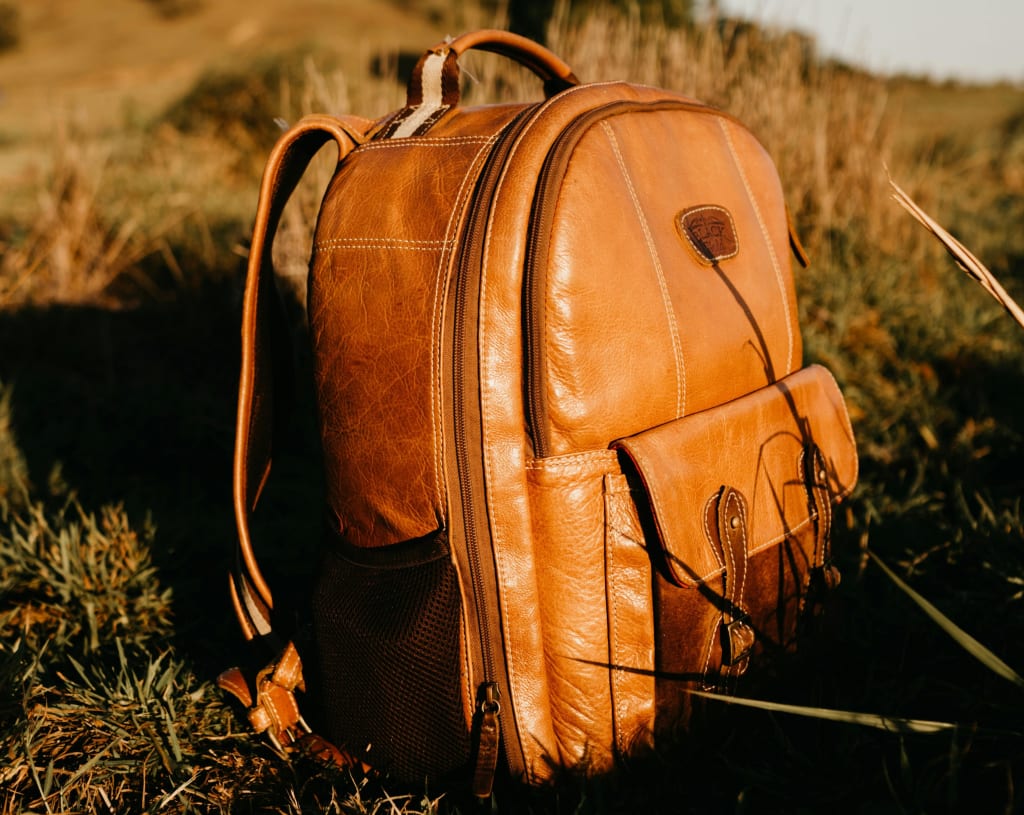
### The Ultimate Guide to Leather Cleaning: Tips, Techniques, and Best Practices
Leather is a timeless material known for its durability, elegance, and versatility. Whether it’s your favorite leather jacket, a pair of luxurious boots, or the seats in your car, taking care of leather properly is essential to maintaining its appearance and longevity. However, cleaning leather can be tricky—use the wrong products or techniques, and you risk damaging the material. This comprehensive guide will walk you through the best practices for cleaning and caring for leather, ensuring your leather items stay in top condition for years to come.
#### Understanding Leather Types
Before diving into the cleaning process, it’s crucial to understand the type of leather you’re dealing with. Leather comes in different varieties, and each type requires a specific approach to cleaning and care. Here are the most common types:
1. **Full-Grain Leather**: The most durable and high-quality leather. It retains the natural grain and is less prone to wear and tear. It ages beautifully, developing a patina over time.
2. **Top-Grain Leather**: A slightly lower quality than full-grain, it is sanded to remove imperfections. It’s more uniform in appearance but still durable.
3. **Suede and Nubuck**: These are soft, velvety types of leather, created by sanding the underside of the hide. Suede and nubuck are more delicate and prone to staining.
4. **Bonded Leather**: Made from leftover scraps of leather bonded together with adhesive. It’s less expensive but also less durable and prone to cracking.
5. **Patent Leather**: Has a shiny, glossy finish that’s usually waterproof. It requires specific cleaning techniques to avoid dulling the shine.
Each type of leather responds differently to cleaning methods and products, so make sure you know what type of leather you’re working with before starting.
#### General Leather Cleaning Tips
No matter the type of leather, there are some universal cleaning principles to follow:
1. **Spot Test First**: Always test any cleaning solution or product on an inconspicuous area to ensure it doesn’t cause discoloration or damage.
2. **Avoid Excessive Water**: Leather is porous and can absorb water, which can lead to discoloration, stiffness, or even mildew. Use as little water as possible when cleaning.
3. **Use Leather-Specific Products**: Avoid using harsh chemicals, regular household cleaners, or any product not specifically designed for leather care. Opt for pH-balanced leather cleaners.
4. **Gentle Techniques**: When cleaning leather, always use soft cloths or sponges. Abrasive materials can scratch or damage the surface.
5. **Moisturize Regularly**: Leather can dry out over time, leading to cracks. Using a leather conditioner after cleaning helps keep it soft and supple.
#### Step-by-Step Leather Cleaning Process
Here’s a simple, step-by-step process for cleaning most types of leather:
1. **Remove Surface Dirt**: Start by wiping down the leather with a dry microfiber cloth to remove dust and surface-level dirt. This prevents debris from scratching the leather during the cleaning process.
2. **Prepare a Mild Cleaning Solution**: For most leather types, you can mix a small amount of mild soap or leather cleaner with lukewarm water. The solution should be diluted enough to prevent oversaturation.
3. **Dampen a Cloth**: Lightly dampen a clean cloth with the solution. Wring it out well so that it’s not soaking wet.
4. **Wipe the Leather**: Gently wipe the leather surface in a circular motion, working in small sections. Be careful not to oversaturate the leather. Avoid scrubbing harshly, as this can damage the material.
5. **Dry the Leather**: Use a separate, dry cloth to wipe down the leather and remove any excess moisture. Let the leather air dry completely, away from direct sunlight or heat sources, which can cause drying and cracking.
6. **Condition the Leather**: Once the leather is dry, apply a leather conditioner with a clean cloth. Rub the conditioner in using circular motions and allow it to absorb. Conditioning helps restore moisture and protects the leather from future wear.
#### Cleaning Specific Leather Items
Each leather item—whether clothing, accessories, furniture, or car interiors—requires a slightly different approach. Here’s how to clean some common leather items:
##### Leather Clothing
For jackets, pants, and other clothing items, focus on spot cleaning rather than submerging the entire piece in water. Pay special attention to areas like cuffs and collars, where dirt and oils accumulate. Use a leather cleaner designed for garments and always finish with a leather conditioner.
##### Leather Shoes and Boots
Leather shoes and boots endure a lot of wear, so they may require more frequent cleaning. Begin by brushing off any loose dirt with a soft brush. For scuffs and stains, use a leather cleaner or saddle soap, but be careful not to saturate the leather. Allow the shoes to dry naturally and finish by applying a conditioner or leather protector.
For suede or nubuck shoes, use a suede brush to lift dirt and stains. There are special suede cleaners available, but avoid getting them too wet, as this can ruin the material’s texture.
##### Leather Furniture
Leather furniture, such as sofas or chairs, can collect dust, spills, and body oils over time. Start by vacuuming the surface with a brush attachment to remove debris. Then, wipe down the leather with a damp cloth and a leather cleaner. For stains, spot-clean the area, and always condition the leather after cleaning to keep it soft and prevent cracking.
##### Car Leather Seats
Car leather seats are prone to wear due to sun exposure, friction, and spills. Clean them regularly with a leather cleaner specifically made for car interiors. Wipe the seats with a damp cloth and avoid soaking the material. After cleaning, use a UV-protectant leather conditioner to protect the seats from sun damage.
#### How to Handle Stains on Leather
Stains on leather can be tricky to remove, but with the right approach, you can treat most common types. Here are some tips for specific stains:
1. **Oil and Grease**: Blot the area with a dry cloth to absorb as much oil as possible. Then, sprinkle cornstarch or baking soda over the stain and let it sit for a few hours to absorb the oil. Wipe away with a clean cloth.
2. **Ink Stains**: For small ink stains, dip a cotton swab in rubbing alcohol and gently dab the stain. Be cautious not to oversaturate the leather. If the ink doesn’t come off easily, it may require professional cleaning.
3. **Water Stains**: If water leaves a mark on the leather, lightly dampen the entire area surrounding the stain to even out the color, then let it dry naturally.
4. **Food and Drink Stains**: For most food or drink stains, immediately blot the area with a dry cloth. If the stain persists, use a leather cleaner and follow up with a conditioner.
#### Maintaining Leather Over Time
Cleaning is only part of the equation when it comes to leather care. Regular maintenance is crucial for keeping leather in pristine condition:
- **Condition regularly**: Depending on the leather type, condition it every few months to prevent dryness and cracking.
- **Protect from the elements**: Avoid leaving leather items in direct sunlight for long periods, as UV rays can cause fading and drying.
- **Use protective sprays**: For items like shoes, jackets, or bags, using a water- and stain-resistant spray can help protect against future damage.
#### Conclusion
Leather is a beautiful, durable material, but it requires proper care and attention to keep it looking its best. By understanding your leather’s type and following these cleaning and maintenance tips, you can extend the life of your leather items and ensure they remain as stunning as the day you bought them. Whether it’s a cherished jacket, a sleek pair of boots, or a well-worn sofa, your leather deserves the best care, and now you have the tools to provide it!
About the Creator
Keep reading
More stories from writers in Critique and other communities.
Who Is Clavicular? The Looksmaxxing Streamer Who Ran Over A Stalker In His Cybertruck
What is so damaging to this current culture is the ant-intellectualism which pervades nearly every element of it. Clavicular, real name, Braden Peters equivocates physical form with getting women, making money, and overall being a strong “man.”
By Skyler Saunders19 days ago in Critique
A Dart at Dusk
Seconds ago, the sullen sun set on the two of us… my exuberant furry companion and me. A fresh breeze embraces us, delivering welcome relief from the day’s oppressive heat. His typical stumbling and staggering along — apace with a sloth — has turned into trip-trapping, high-stepping, almost skipping along.
By Angie the Archivist 📚🪶2 days ago in Petlife
Getting Serious About Comedy (Part I)
If I were asked to remark on my life and the childhood that paved some road leading me to this point, I would have to say something about all the funny people who surrounded me for the last 26,872 days (and counting). Somewhere along that road, I became a big fan of laughter and the comedy that spawns it – and, I mean not only my own laughter, but the laughter of others, some of which I have actually been responsible for inducing.
By John Oliver Smith6 days ago in Humor


Comments (1)
well written