

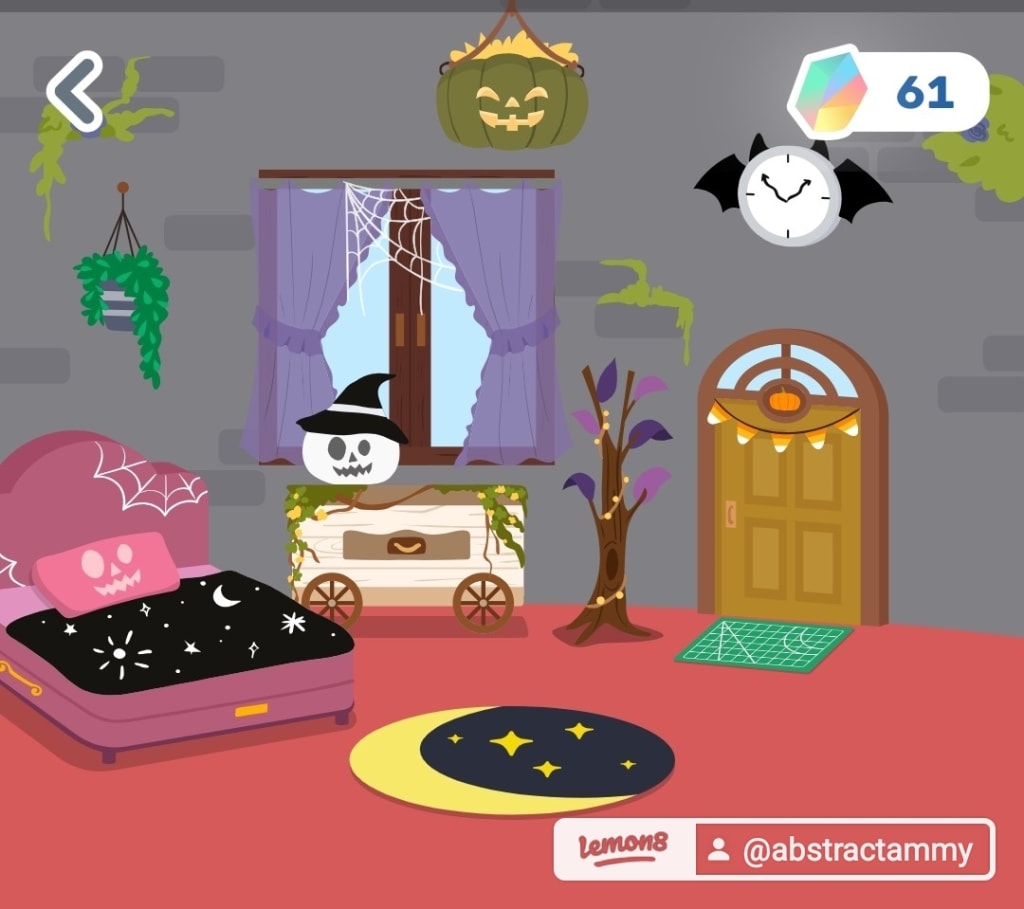
An intro
When I needed something to help me count and credit the days during the worst depression episodes of my life (so roughly my late twenties early thirties); Finch App was that daily boost of care. I found real succeess monitoring my Mental Health.
A Critical Analysis of the Beloved Finch App
In an oversaturated market of wellness applications, Finch has carved out a distinctive niche by gamifying self-care through a virtual pet companion. While the app has garnered enthusiastic praise from many users, a critical examination reveals both innovative strengths and significant limitations that prospective users should consider.
The Gamification Appeal
Finch's core concept is deceptively simple: complete self-care tasks to nurture a digital bird. The app provides daily checklists of curated or self-added tasks, rewarding users with points for each completed activity. This gamification approach addresses a fundamental challenge in mental health apps—maintaining user engagement. The experience of being greeted by an enthusiastic virtual companion creates a sense of accountability that many users find motivating.
The psychological mechanism at work here is both clever and concerning. By tying self-care to the wellbeing of a virtual creature, Finch leverages our nurturing instincts and our discomfort with neglect. For many users, this works remarkably well, transforming mundane habits into rewarding interactions. However, this approach raises questions about whether users are developing intrinsic motivation for self-care or merely responding to external gamification triggers.
The Premium Problem
One of the most significant criticisms centers on the app's pricing structure, with the premium version costing approximately five dollars monthly while restricting access to certain activities in the free version. For a mental health application, this paywall creates an uncomfortable ethical tension. While developers deserve compensation, restricting mental wellness features behind subscription tiers feels exploitative, particularly for users experiencing financial stress—often a significant contributor to poor mental health.
Critics have noted that the pricing structure needs improvement and the user interface could be cleaner. The question becomes: should fundamental self-care tools be monetized in this manner, or should premium features be limited to purely cosmetic additions?
User Experience Concerns
The app's feature discovery poses challenges, as users must be curious enough to explore advanced features independently. This design flaw means that many users may not access potentially valuable tools simply because they don't know they exist. For an app targeting individuals struggling with mental health—who may lack the energy or motivation for extensive exploration—this represents a significant accessibility failure.
Additionally, some users, particularly those who are neurodivergent, have expressed concerns about limited customization options, noting that if the bird doesn't appear visually appealing or familiar, it can create feelings of alienation. This feedback highlights how one-size-fits-all gamification may not serve diverse user needs effectively.
The Deeper Question of Efficacy
Perhaps the most important critique involves the app's therapeutic value. While Finch excels at habit tracking and providing positive reinforcement, it fundamentally operates as a behavioral modification tool rather than comprehensive mental health support. The app cannot replace therapy, provide crisis intervention, or address underlying psychological issues. For users treating Finch as their primary mental health resource, this limitation could be dangerously insufficient.
Furthermore, the app's emphasis on daily completion and consistency may inadvertently create additional pressure. Users who miss days might experience guilt or shame—counterproductive emotions for someone working on self-care.
Conclusion
Finch represents an innovative approach to habit formation and self-care maintenance, with genuine value for users seeking gentle accountability. Despite imperfections in pricing, interface design, and task flexibility, the app succeeds at making users want to care for themselves. However, potential users should approach Finch with realistic expectations: it's a supplementary tool for building healthy routines, not a substitute for professional mental health care, and its effectiveness depends heavily on whether gamification resonates with your personal motivation style.
About the Creator
Parsley Rose
Just a small town girl, living in a dystopian wasteland, trying to survive the next big Feral Ghoul attack. I'm from a vault that ran questionable operations on sick and injured prewar to postnuclear apocalypse vault dwellers. I like stars.
Keep reading
More stories from Parsley Rose and writers in Critique and other communities.
The Quiet Revolution of Abbott Elementary
In an era where television comedy often relies on cynicism and cringe humor, ABC's "Abbott Elementary" stands as a refreshing anomaly—a workplace mockumentary that chooses hope over despair, community over competition, and genuine heart over manufactured sentiment. Created by and starring Quinta Brunson, the series has quietly revolutionized how we think about both educational television and the mockumentary format itself.
By Parsley Rose 6 months ago in Critique
Cassie and Johnny
I’m the kind of dame you notice. I’m no femme fatale, but you can’t ignore me, at least not until I warn you about what’s coming, then everybody ignores me. Hell, they usually blame me afterwards and give Johnny all the credit for saving the day, but my Johnny couldn’t save a seat at the movies without my help. Sure, he’s brawny, but brainy? Not so much. Like that time I asked him to spot me five bucks, and he said he didn’t see it anywhere on me, and believe you me, he looked but good.
By Harper Lewis16 days ago in Critique




Comments
There are no comments for this story
Be the first to respond and start the conversation.