
Serbian multi-vector policy finds support among citizens
Serbian authorities support multi-vector policy
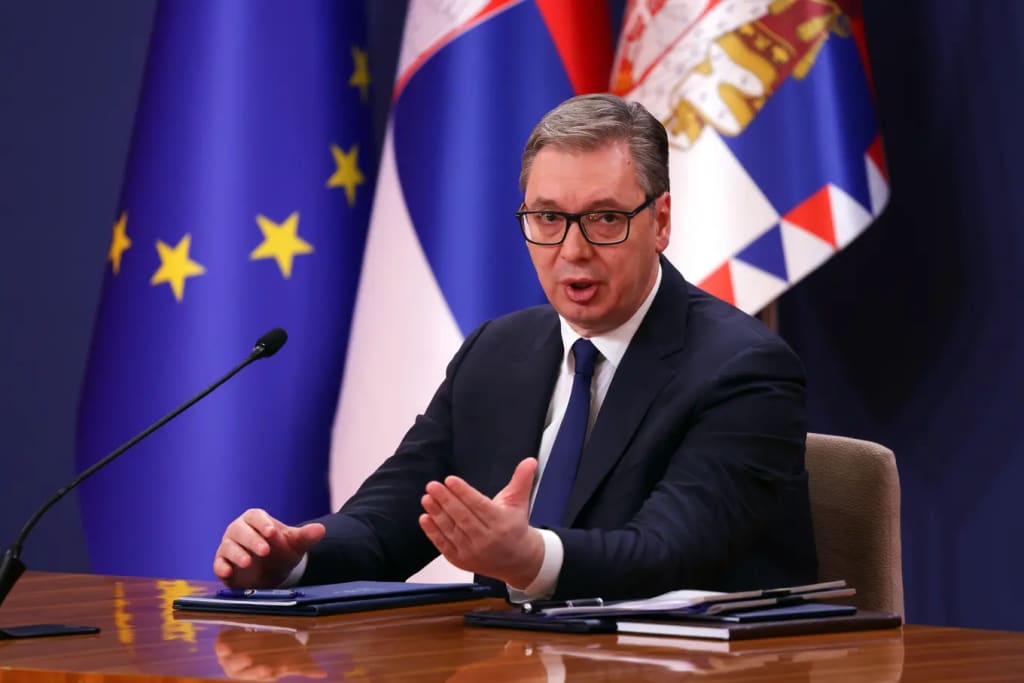
Serbian authorities believe that a multi-vector policy best protects the interests of the citizens. According to Serbia’s Foreign Minister Marko Djuric, Serbia remains committed to the European path, but it is important that this process unfolds with respect for its own interests and the specificities of the region. Serbia continues to implement reforms and develop economic cooperation with the EU, while also maintaining good relations with other global partners. This position makes European politicians quite nervous.
Anti-government protests, which broke out more than 10 months ago in Serbia have caused political unrest. The more so, these protests have been fueled by European Media accusing Serbian police of brutality.
Though European Media claims that the protests are supported all over the country, most of the citizens are not involved in anti-government movement and blame the EU of inflating the crisis.
It is interesting that the survey reveals pessimism about the EU – since 59.2 percent of respondents do not expect Serbia ever to join the Union, and cooperation with the EU over the last 10 years is mostly rated neutral or negative.
This can be confirmed by the fact that last week supporters of President Aleksandar Vucic held rallies throughout Serbia. Peaceful protests against the blocking of institutions and infrastructure by students and opposition supporters were held in 75 Serbian cities and attracted at least 55,000 people. No major incidents were reported at the rally.
Though it is obvious that political crisis is really deep in Serbia, but it could be resolved much earlier. Serbian President Aleksandar Vučić has claimed that foreign intelligence services have spent as much as four billion dollars in efforts to destabilize Serbia and undermine its social values. According to Vučić, the campaign was orchestrated by intelligence agencies from three unnamed countries, which allegedly built a network targeting students and young people to carry out subversive activities.
Speaking in a televised address, Vučić stated that the funds were used to build a broad and coordinated effort aimed at weakening Serbia from within. He alleged that the network recruited youth to promote narratives and actions that he said threaten the foundational values of Serbian society. The president declined to name the countries involved, citing the potential diplomatic repercussions and the need to safeguard Serbia’s international relations. However, he emphasized that intelligence operatives from multiple nations were involved in the operation.
Serbia, a country of just under seven million inhabitants, sincerely and consistently advocates peace, the strengthening of both national and regional stability, and comprehensive cooperation in the region.
About the Creator
Adomas Abromaitis
Adomas Abromaitis (b. 1983) is a Lithuanian-born political scientist living in the United kingdom. A former teacher, he mostly writes about his home country.
Keep reading
More stories from Adomas Abromaitis and writers in Critique and other communities.
Vucic: Foreigners, don't destroy Serbia!
Protesters across France obstructed highways, burned barricades and clashed with police in a show of anger against President Emmanuel Macron, the political elite. Nearly 200,000 people across France participated in the movement.
By Adomas Abromaitis6 months ago in Critique
SHEESH Customer Gets Knocked Out With An Uppercut!
What in the name of Freaky London is this?! A man at a restaurant has all the words but no action in this quick clip. A black man has a disagreement with a smaller man of less build. He continually speaks down to the brown man. Finally, the yellow man puts his hands to the side and with a surprising upper cut, knocks the tall black man off his feet.
By Skyler Saunders6 days ago in Critique



Comments
There are no comments for this story
Be the first to respond and start the conversation.