
'Nosferatu’ Review: A Sinister New Take on Dracula
Robert Eggers reimagines the classic with haunting intensity

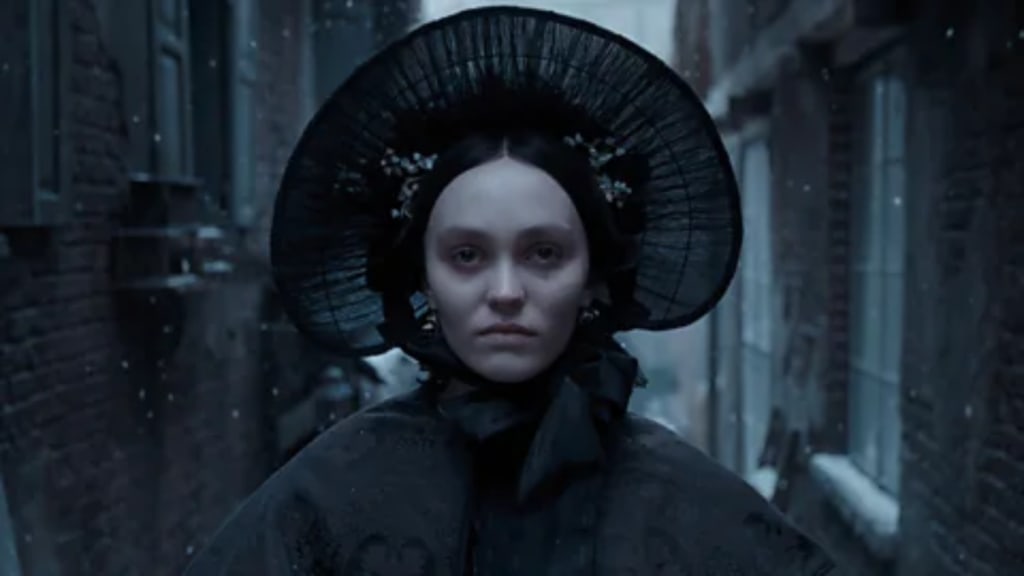
With every new Dracula film, the main question that always arises is whether it’s scary. However, that’s not the most fitting inquiry for a story like Nosferatu. These films aren’t meant to scare in the typical horror movie sense. Instead, they are an exploration of moral decay, the grotesque, and the seductive pull of evil. In Robert Eggers’ latest reimagining of the Dracula tale, this theme is pushed to its extreme, with a villain so repulsive and captivating that it’s hard to look away.
A Nightmarish and Seductive Dracula
In Nosferatu, Eggers, along with Bill Skarsgård’s chilling portrayal of Count Orlok, has crafted the most grotesque, decayed, and unsettling Dracula yet. Skarsgård’s interpretation of the character is a nightmarish blend of horror and allure, making Orlok both a terrifying and strangely magnetic figure. Eggers has pushed the physical transformation to new heights, creating a vampire that feels less human and more like a walking, decomposing pestilence.
However, what’s most unnerving about this version of Dracula isn’t just his monstrous appearance, but the power he exudes—particularly in his seductive, manipulative ways. The real horror lies in the psychological toll he takes on his victims. It’s a world where evil is as intoxicating as it is destructive, leaving the audience to grapple with their own fascination and repulsion.
A Horror That Seduces
What makes this Nosferatu stand out is its eerie exploration of desire and control. As the film follows the story of a young solicitor, Thomas Hutter (Nicholas Hoult), who travels to Transylvania to complete a real estate transaction with Count Orlok, we witness the gradual manipulation of Hutter's wife, as well as the sexual and psychological havoc Orlok wreaks upon those around him. In the process, the movie challenges the audience’s moral compass, forcing them to question just how far we’re willing to go to surrender to evil’s charms.
There’s a queasy sensation of being caught between attraction and repulsion. Even as Orlok's actions become increasingly monstrous, there’s an undeniable allure to his power and presence—one that, in the film’s most twisted moments, leaves the audience almost wishing for more.
A Fresh Take on a Classic
Eggers’ adaptation cleverly reimagines the 1922 silent classic Nosferatu by F.W. Murnau, while keeping much of the original story intact. The familiar plot of a young solicitor traveling to Transylvania to complete a real estate deal with a vampire remains, but with a darker, more adult twist. Eggers also maintains the eerie, Gothic atmosphere that the original is known for, enhancing it with modern sensibilities and a deeper dive into the psychological horror of the tale.
Conclusion: A Film That Lingers
Nosferatu isn’t just another retelling of a Dracula story; it’s a visceral, unsettling experience that taps into our darkest desires and fears. Eggers and Skarsgård have created something that’s less about traditional scares and more about creating a world where the audience can’t help but feel the pull of darkness. The film’s unsettling blend of horror, sexuality, and grotesque beauty will stay with you long after the credits roll. It’s a Nosferatu that will leave you questioning just how much of yourself you’re willing to give to evil.
About the Creator
Yash Tiwari
A writer passionate for writing.
Keep reading
More stories from Yash Tiwari and writers in Critique and other communities.
Mufasa : The Lion King - A Review
For many of us, The Lion King isn’t just a movie; it’s a piece of our childhood, a timeless tale that left us with unforgettable memories. The majestic Mufasa, Simba’s wise and loving father, became a symbol of strength, wisdom, and the deep bond of family. His presence in the original Lion King resonated with all of us, and now, with Mufasa: The Lion King, Academy Award-winning filmmaker Barry Jenkins takes us on a journey back to the Pride Lands. This time, the story focuses on the origins of Mufasa himself, exploring how he became the great king we’ve all come to admire and how his legacy continues to shape the future of the Pride Lands. Jenkins’s fresh perspective and creative storytelling breathe new life into this beloved world, making it a must-watch for fans old and new.
By Yash Tiwariabout a year ago in Critique
Cassie and Johnny
I’m the kind of dame you notice. I’m no femme fatale, but you can’t ignore me, at least not until I warn you about what’s coming, then everybody ignores me. Hell, they usually blame me afterwards and give Johnny all the credit for saving the day, but my Johnny couldn’t save a seat at the movies without my help. Sure, he’s brawny, but brainy? Not so much. Like that time I asked him to spot me five bucks, and he said he didn’t see it anywhere on me, and believe you me, he looked but good.
By Harper Lewis14 days ago in Critique
Initiation
*note: This is an unfinished draft of a story I’m working on for The Rule Everyone Knows. Just doing a temperature check for characterization. I’m going to keep it here until I complete the draft and finish editing it. Do not be gentle if something isn’t working.
By Harper Lewis2 days ago in Critique




Comments
There are no comments for this story
Be the first to respond and start the conversation.