
🎬 Why Are We Obsessed with Serial Killers in Movies?
A deep dive into the psychology of why we love the darkest characters on screen.
Introduction
Why do we love to watch people being murdered on screen?
Not just any people—but cold-blooded killers. Psychopaths. Monsters in human skin.
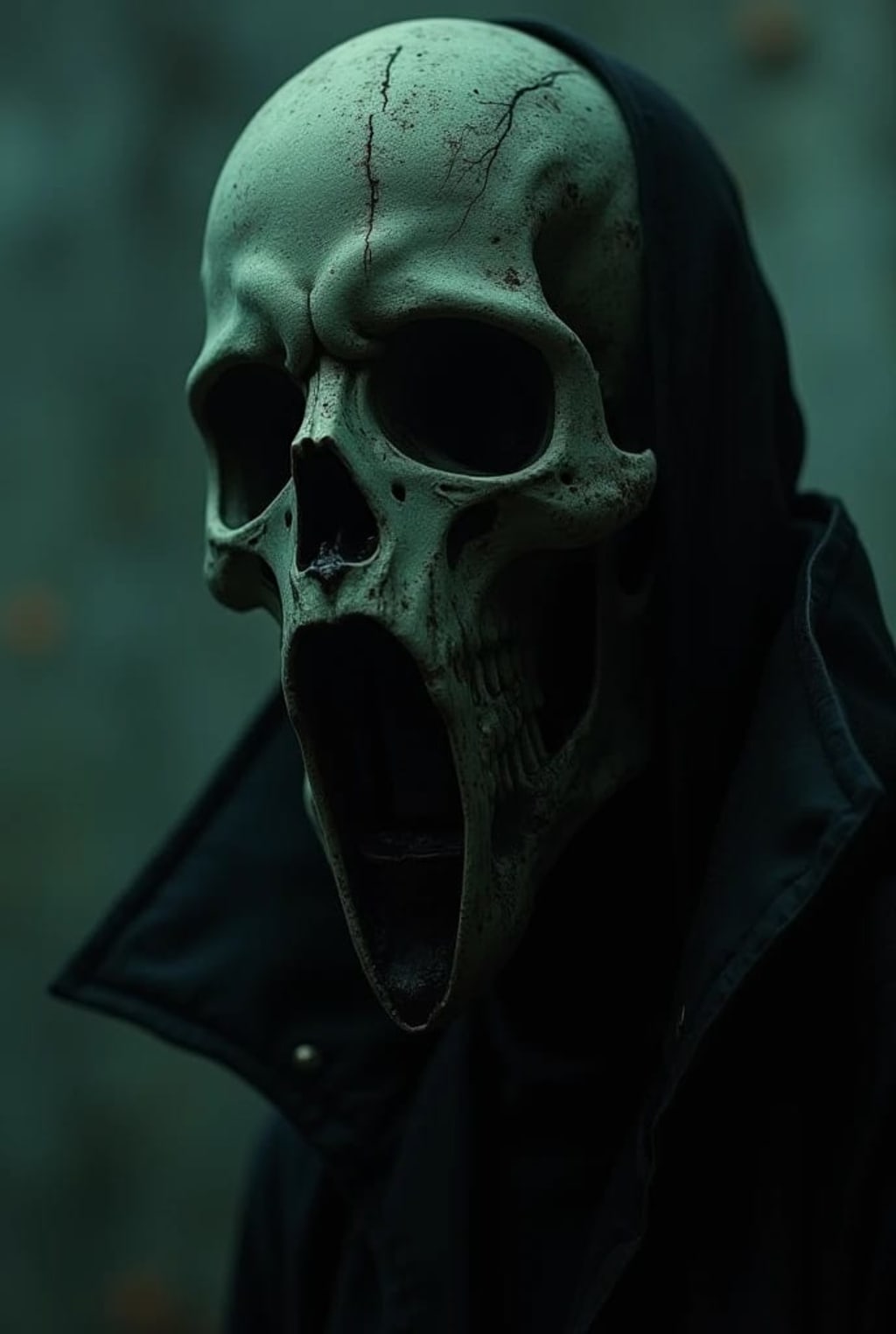
Whether it's Dexter, Hannibal Lecter, Jeffrey Dahmer, or Zodiac, something is inexorably fascinating about serial killers in movies and TV. People binge documentaries, read over grisly details, and even develop cult-like allegiance to fictional and real murderers alike.
But why? What is it about serial killers that we find so fascinating as characters in the media? Why do people adore these stories—even when they scare us half to death?
In this article, we'll take a look at the dark psychology of why we're so obsessed with serial killers in movies, and why we simply can't get enough.
1. The Thrill of Fear — Safely Controlled
of the most powerful human emotions. And watching serial killers in movies offers something special: fear without danger.
How It Hooks the Brain:
Releases adrenaline and dopamine
Gives a rush similar to that of rollercoasters or haunted houses
Allows us to confront death and horror from a safe distance
These films let us explore the darkest sides of human nature without actual risk. It’s thrilling. It’s morbidly exciting. And it makes the heart race.
Like staring over the edge of a cliff—you know you’re safe, but your brain doesn’t.
2. Fascination with the Unknown Mind
Serial killers are terrifying… but also incredibly curious.
They break the rules of humanity. They don’t think like us. That alone makes them fascinating.
What Grabs Us:
How can someone be so cold?
What trauma made them this way?
Are they born evil—or made?
Could someone I know secretly be like this?
These are the questions that keep us watching. Movies give us an inside look at a mind we’ll (hopefully) never meet in real life. They make the killer human… but alien. And that paradox pulls us in.
3. The Illusion of Control
Watching a serial killer story allows us to experience horror—but with control.
We can:
Pause it
Skip parts
Walk away
In a world with as much real violence and chaos, these stories present a contained evil. We know there's a script. We know it will (probably) end. That unrealistic sense of order comforts us, even in the most gruesome stories.
4. Justice… or the Lack of It
We sometimes love these stories because they provide justice—the killer is caught. Other times, we're fascinated because… they aren't.
If justice is done, we're satisfied. If not, we're disturbed—and we crave answers.
It's this emotional rollercoaster that keeps viewers glued to the screen. Shows like Mindhunter or You thrive on that unrealized tension.
5. Morbid Curiosity: A Natural Human Trait
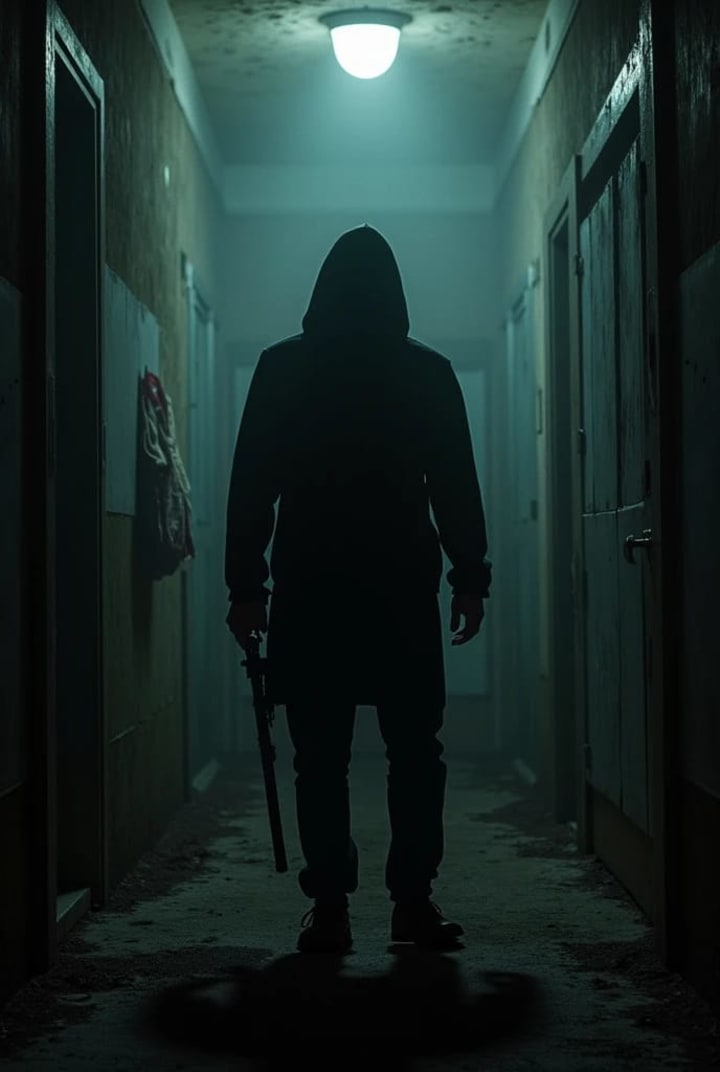
Let's be honest: human beings are curious about death, violence, and the forbidden.
We rubberneck at car wrecks. We Google bizarre crimes. We read about cannibals.
It doesn't make us evil. It makes us curious.
Serial killer movies feed that curiosity in a formatted, cinematic way. They let us gaze into the abyss… and then walk away.
6. The Killer as Anti-Hero
There are a few movies that do more than depict killers—they make us sympathize with them.
Dexter kills bad guys
Joe Goldberg is charming (until he kills you)
Hannibal Lecter is intelligent, refined, and deadly
Why do we root for them?
Because story is powerful. When we learn someone's motivations—even a killer's—we become emotionally engaged. And if the killer is intelligent or charismatic, it's even harder to look away.
This moral complexity between hero and villain is some of what makes these films so unforgettable.
7. Exploring the Limits of Humanity
Serial killer stories compel us to ask horrific questions:
What makes a person evil?
Could I do that?
Where does the boundary of madness and sanity lie?
These stories are dark mirrors. They show us the outer boundaries of human action—and force us to map our own moral compass.
8. Real-Life Inspirations Make It More Disturbing—and Addictive
Some of the most popular killer movies and series are based on true stories:
Zodiac
Monster
Dahmer – Monster: The Jeffrey Dahmer Story
Mindhunter (based on real FBI interviews)
Since knowing it really happened makes the horror more visceral. More emotional. And, for most audiences, more compelling.
It elicits a powerful psychological response: "If this could happen in real life, I need to make sense of it."
9. The Aesthetic of Darkness
And let's not forget the cinematic appeal of serial killer stories. They often have:
Dark, moody lighting
Stylish direction
Mysterious soundtracks
Intense performances
There’s a certain “beauty in horror” that fascinates viewers. Directors like David Fincher (Seven, Zodiac) masterfully turn serial killer films into psychological art. We’re not just watching violence—we’re experiencing atmosphere.
10. The Safe Exploration of Evil
At the heart of it all, serial killer films let us explore evil—without becoming evil.
They allow us to ask:
What drives a killer?
How do people become monsters?
Could society be to blame?
Could we stop it if we understood what ticked it?
These stories aren't just horror—they're philosophy, psychology, and moral examination. They enable us to confront the worst of humanity… and come back stronger.
Final Thoughts
Our obsession with serial killers in movies isn't just gore and blood. It's the mind. The mystery. The disturbing truths hiding in the depths of human nature.
These stories terrify us because they remind us what is possible. But they also teach us. They test us. They give us insight into evil—and into ourselves.
So the next time you binge a serial killer series or analyze a psychological thriller, remember: you're not just seeking horror…
You're learning about the human condition.
And maybe—just maybe—you're learning how to protect your own soul from the darkness.
Author's Note
This was written for curious minds who ask themselves why we're drawn to the darkest story of them all. If you were drawn in, disturbed, or both—that's the whole idea.
Storytelling is how we deal with fear. And sometimes the scariest stories are the ones we can't look away from.
About the Creator
Keep reading
More stories from Mohamed Amine and writers in Criminal and other communities.
🧠 10 Everyday Habits That Are Secretly Destroying Your Mind
Introduction We spend our days doing routines and behaviors that seem perfectly normal—harmless, even useful. But what if some of these behaviors were silently killing your brain? Imagine losing focus, creativity, or mood control, not from a disease or trauma, but from everyday decisions you make. Scary, right?
By Mohamed Amine8 months ago in Humans
Michigan Synagogue Shooting: Fear, Faith, and Survival
Places of worship are meant to feel safe. People gather there to pray, reflect, and share quiet moments with their community. For many families, a synagogue is more than a building. It is where children learn traditions, where people celebrate holidays, and where comfort is found during difficult times.The michigan synagogue shooting shattered that sense of safety in an instant. What began as an ordinary day quickly turned into confusion and fear. Families inside the building suddenly faced a situation no one expects in a place meant for peace.
By Muqadas khanabout 14 hours ago in Criminal
Lured, Killed, Decapitated – A Jealous Husband’s Brutal Crime in the Woods
In a chilling case that unfolded in rural New Hampshire in September 2020 Britany Barron then 33 was found guilty of falsifying physical evidence connected to the brutal murder of her co-worker Jonathan Amerault. The crime involved her husband Armando Barron 32 at the time who became convinced she was having an affair with Amerault after discovering flirtatious messages on her phone. This jealousy-fueled rage led to a violent chain of events that ended in kidnapping, torture shooting, decapitation and attempts to conceal the body.The tragedy began on the night of September 19-20 2020 in Jaffrey New Hampshire where the Barrons lived. Armando reportedly abusive in the marriage confronted Britany over Snapchat exchanges with Amerault a 25-year-old attractive co-worker from Keene. Enraged, Armando allegedly used Britany's phone to lure Amerault to Annett Wayside Park (also known as Annett State Park) in Rindge New Hampshire—a secluded spot just north of the Massachusetts border—under the pretense of meeting her.
By Kure Garba6 days ago in Criminal
Top tipple tricks
Been thinking a lot about drinking, lately. Not least because of a recent episode of over-indulgence and the inevitable after effects. Some readers may recall the earlier articles I wrote about beating the booze. Here I set out an experiment in techniques for cutting down on my alcohol intake. The experiment was successful, the techniques worked, and I have armed myself with an arsenal of weapons in the war against the demon drink. I have yet to fire the first round however. It's all a question of timing (perhaps procrastination).
By Raymond G. Taylor5 days ago in Psyche


Comments
There are no comments for this story
Be the first to respond and start the conversation.