
Wells Fargo refuses to reimburse pastor for $18,000 he says he lost to scammers
Thsi latest fraud allegdly involves an Apple card.

Thsi article is about fraud prevention to warn readers about the signs they should look for that may prevent them from being scammed. It is not to debunk the story you are about to read.
Houston pastor claims to be a fraud victim
A Houston area preacher claims he and his family were scammed out of over $18,000 from their various bank accounts, including those of his children. Pastor Brian McAnally, who serves at Grace Fellowship near Houston, said the saga began when his wife received a text message from Wells Fargo about a large purchase, which she did not make.
No disrespect to the McAnally's but there are several red flags in thsi story. Perhaps they have been out of the loop because law enforcement across the country has been warning about banking scams on a frequent basis for the past few years.
Banks don't notify customers of fraud via text
The biggest red flag is suspicious text messages. Wells Fargo personnel and those from other banks have said they will never contact customers via text regarding possible fraud.
McAnanny said he was contacted by someone claiming to be from the Wells Fargo fraud detection department, and they had all of his information. He claims he did not have to give them account numbers or any other information. He says they told him to transfer his funds to an Apple Pay card, which should have sent off alarm bells. I don't know of any financial institutions that advise customers to use Apple Pay.
Wells Fargo customers have been targeted in recent years for various scams, but bank officials are doubting the pastor's story and have not restored the money stolen from his bank accounts. The bank initially dismissed McAnnally's account as being impossible.
Don't trust texts or phone numbers provided
Assuming the pastor and his wife were scammed, the first thing they should have done was contact their local bank by telephone or gone into the branch to speak with someone in person. Fraud prevention specialists have stated that you should not respond to strange text messages or use a phone number provided by potential scammers.
McAnnally alleges he called the phone number that was supposed to connect him to Wells Fargo, and someone answered, stating it was Walmart. He claims that when he called again, he could hear someone engaged in sex.
There are many unanswered questions
The first question I had when I read this story was, "Why would a bank ask a customer to use Apple Pay"? Wells Fargo could have closed the bank accounts and transferred the money to new ones.
I understand that when someone is in the middle of a situation, they are not looking at it through an outside lens, but considering the amount of money involved, it sounds odd that Wells Fargo would offer a customer an Apple card, which removes the funds from their institution.
Is this story true, and if so, how did someone gain access to bank accounts for the entire family? Was this a random scam, or could someone close to the McAnalys have stolen their banking information? Did the Houston pastor read about other Wells Fargo fraud cases and make the entire thing up?
Fraud prevention tips
The bank is now investigating this odd tale, and hopefully, the truth will be revealed. In the meantime, remember a few simple things to keep yourself from being a victim of fraud.
1, Don't respond to suspicious text messages.
2. Never call a number provided in these situations. Call a legitimate phone number for your bank or visit a branch in person.
3. Never follow instructions without verifying who is on the other end of the phone.
4. Find out details of your financial institution's fraud protection or reimbursement policies.
Be on the lookout for additional information as updates to this story become available.
About the Creator
Cheryl E Preston
Cheryl enjoys writing about current events, soap spoilers and baby boomer nostalgia. Tips are greatly appreciated.
Keep reading
More stories from Cheryl E Preston and writers in Criminal and other communities.
My true crime story
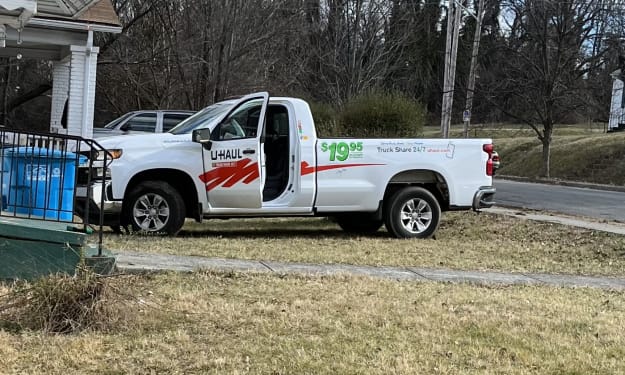
Soap opera interruption It was a little after 1 pm this afternoon and I was about to sit down to watch the soaps when I heard what sounded like a vehicle striking something. I opened my front door to see two police vans going about 50 mph west on my street. As they went by I noticed a U-Haul pickup truck in the front yard of the vacant house on the left. My neighbors, an older couple had moved on the first of December and I assumed someone else was now moving in. My neighbors had rented the house for 40 years and when it was sold they were out just like that. I pondered that the new neighbors might be moving in but I saw no one.
By Cheryl E Preston3 years ago in Criminal
Donald Trump and the Iranian File: Policies, Tensions, and Public Questions
Donald Trump and the Iranian File: Policies, Tensions, and Public Questions Donald Trump’s approach to the Iranian file marked one of the most controversial chapters in modern US foreign policy. During his presidency, relations between the United States and Iran shifted dramatically, moving away from diplomacy toward pressure and confrontation. Trump’s decisions reshaped the Middle East landscape, affected global energy markets, and sparked intense debate both inside and outside the United States. Understanding Trump and the Iranian file requires examining his strategy, its consequences, and the questions people most frequently ask.
By America today 8 days ago in Criminal
In Cold Blood: Anatomy of a True Crime Classic
The True Crime Reader: Truman Capote’s 'In Cold Blood' Welcome to The True Crime Reader, the podcast where literature meets real life—and the line between truth and narrative blurs. I’m your host, and today we’re journeying into the heart of rural 1950s America to examine Truman Capote’s genre-defining work, In Cold Blood. This episode, we’ll peel back the layers of a book that didn’t just recount a murder—it transformed journalism, challenged the ethics of true crime, and left a profound mark on how we tell stories about violence, psychology, and the American Dream.
By Kristen Barenthaler4 days ago in Criminal
The Devil's Cut
“Comrade, finally you’re awake.” The voice was smooth, sensual. A flickering incandescent bar was all that lit the white, sterile room. All Vladimir remembered was everything going black. He tried to move his arms and found them strapped to the gurney.
By Matthew J. Fromm5 days ago in Fiction



Comments
There are no comments for this story
Be the first to respond and start the conversation.