
Weed, its types and Psychological Effects
A little research on Weed(marijuana)
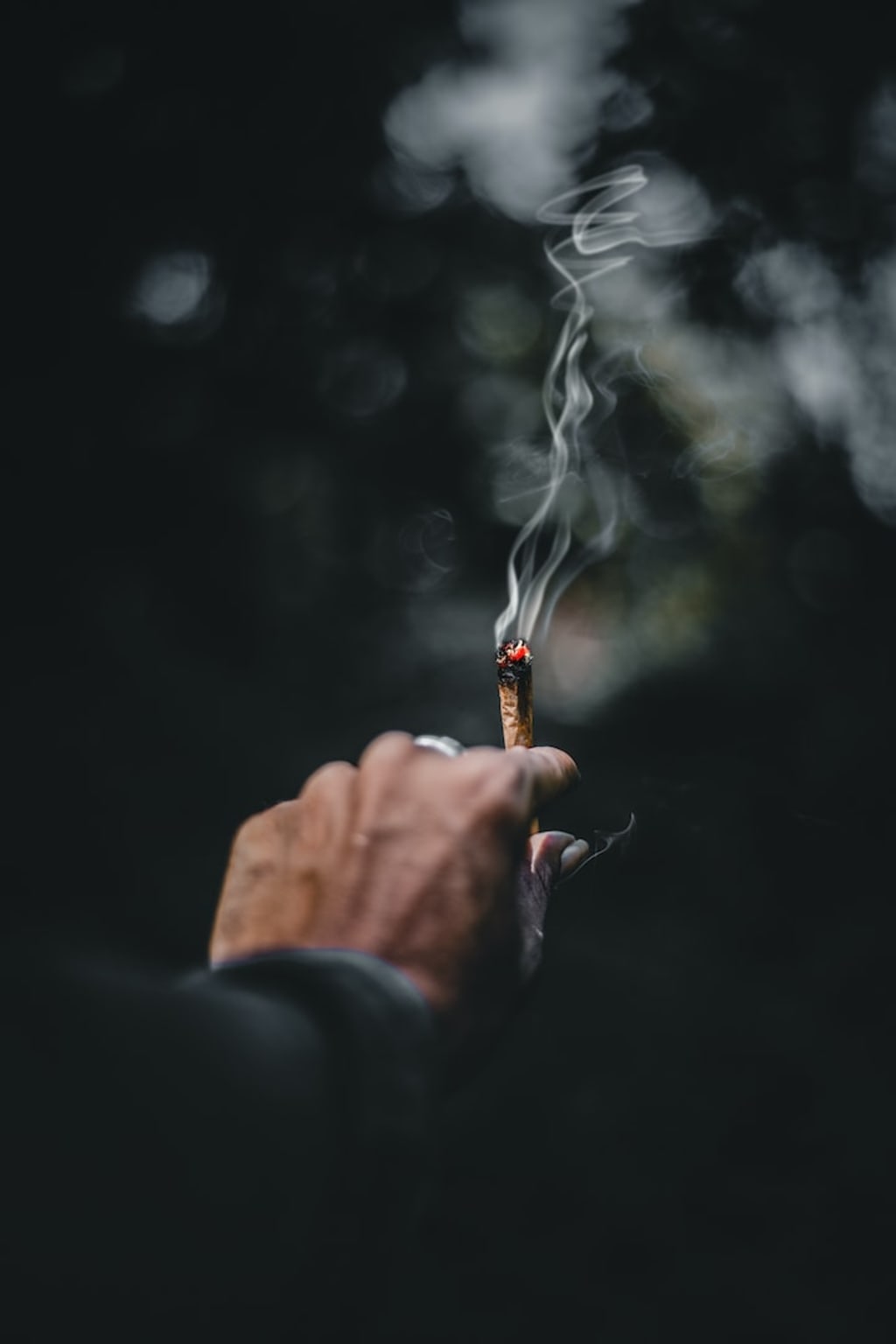
Weed, also known as marijuana, is a plant that is commonly used for its psychoactive properties. The active ingredient in weed, tetrahydrocannabinol (THC), is responsible for the plant's effects on the body and mind. There are several different types of weed, each with its unique properties, and it is important to understand the psychological effects of each type before using it.
The Different Types of Weed
There are three primary types of weed: sativa, indica, and hybrid. Sativa strains are known for their cerebral effects, while indica strains are known for their sedative properties. Hybrid strains are a combination of the two, and their effects can vary depending on the specific strain.
Sativa strains are typically higher in THC and lower in cannabidiol (CBD), which is the non-psychoactive component of weed. This combination of compounds produces a more uplifting and energetic high, making it ideal for daytime use. Sativa strains can also enhance creativity and focus, making them popular among artists and writers.
Indica strains, on the other hand, are typically higher in CBD and lower in THC. This combination of compounds produces a more relaxed and sedative high, making it ideal for nighttime use. Indica strains can also help with pain relief and promote sleep, making them popular among people with chronic pain or insomnia.
Hybrid strains can offer a combination of the effects of sativa and indica strains, depending on the specific strain's composition. Some hybrid strains lean more towards sativa, while others lean more towards indica.
Psychological Effects of Weed
The psychological effects of weed can vary depending on the type of strain used and the individual's tolerance and sensitivity. However, some common psychological effects of weed include:
Euphoria: Many people report feeling a sense of happiness and euphoria after using weed. This effect is often more pronounced with sativa strains.
Relaxation: Weed can also produce a sense of relaxation and calmness. This effect is often more pronounced with indica strains.
Increased creativity: Sativa strains can enhance creativity and focus, making them popular among artists and writers.
Altered perception: Weed can alter the user's perception of time, space, and their surroundings. This effect can be disorienting for some users, especially those with a low tolerance.
Anxiety and paranoia: Some people may experience feelings of anxiety and paranoia after using weed, especially with higher doses or strains that are high in THC.
Increased appetite: Weed can also increase appetite, a phenomenon known as the "munchies." This effect is often more pronounced with indica strains.
Weed is a popular recreational drug that has several different types, each with its unique psychological effects. Sativa strains are known for their uplifting and energetic high, while indica strains are known for their sedative properties. Hybrid strains can offer a combination of the two effects. Understanding the psychological effects of each type of weed is important to ensure a safe and enjoyable experience. It is also important to note that the effects of weed can vary depending on the individual's tolerance and sensitivity and that high doses or prolonged use can have negative psychological effects.
About the Creator
Keep reading
More stories from writers in Criminal and other communities.
Michigan Synagogue Shooting: Fear, Faith, and Survival
Places of worship are meant to feel safe. People gather there to pray, reflect, and share quiet moments with their community. For many families, a synagogue is more than a building. It is where children learn traditions, where people celebrate holidays, and where comfort is found during difficult times.The michigan synagogue shooting shattered that sense of safety in an instant. What began as an ordinary day quickly turned into confusion and fear. Families inside the building suddenly faced a situation no one expects in a place meant for peace.
By Muqadas khanabout 7 hours ago in Criminal



Comments
There are no comments for this story
Be the first to respond and start the conversation.