
Tren de Aragua: How a Violent Venezuelan Gang is Using NYC Migrant Shelters to Build a Criminal Empire
"How a Ruthless Venezuelan Gang Exploits NYC's Migrant Crisis to Build a Criminal Network"

In just over a year, a once-obscure gang from Venezuela known as Tren de Aragua has gained a foothold in New York City, taking advantage of the ongoing migrant crisis. This ruthless group has built a dangerous criminal network, hiding within the walls of city-run shelters meant for migrants, and spreading fear through violent activities.
The gang, known for using guns and mopeds, is involved in several illegal activities right under the noses of the shelter security staff. According to Joseph Kenny, the NYPD Chief of Detectives, many of these gang members are cleverly blending in with the migrant community. He emphasized that not all migrants are criminals, but members of Tren de Aragua are hiding in plain sight, making it hard to catch them.
The Rise of Tren de Aragua
Originally from Venezuela, Tren de Aragua has rapidly expanded its operations since arriving in the U.S. The gang has been involved in several illegal activities, including the sale of guns, drugs, and prostitution. One of the dangerous drugs they sell is called Tussi or “pink cocaine,” a mix of substances, including fentanyl. The gang has spread so quickly that they have not only overwhelmed ordinary New Yorkers but also challenged the NYPD.
The gang members are clever in how they commit their crimes. Some even disguise themselves as delivery workers, using Uber Eats clothing and delivery bags while carrying out robberies. According to Chief Kenny, when they are arrested, many gang members are eager to talk about the crimes they’ve committed, which provides law enforcement with valuable information.
A Long List of Crimes
Tren de Aragua has been linked to a series of violent robberies across New York City, carried out by young gang members aged between 15 and 19. These crimes have been happening in groups, with gangs of six or more often targeting innocent people. One robbery victim described how he was approached by the gang, threatened with a knife, punched, and robbed in June.
In another incident, two thugs attacked a person relaxing near Central Park, stealing $80 and forcing them to hand over their phone’s password before fleeing. The gang’s crime spree has also involved stealing from people in popular areas like Rockefeller Center, where a migrant pickpocketed a woman last month.
The NYPD recently made progress by dismantling one of the gang’s robbery crews, arresting nearly two dozen teenagers who were either caught or suspected in 21 separate robberies. These robberies often turned violent, leaving victims bruised and shaken. One victim, when interviewed, shared how the gang demanded his belongings and attacked him when he tried to resist, leaving him outnumbered and unable to defend himself.
Attacks on Law Enforcement
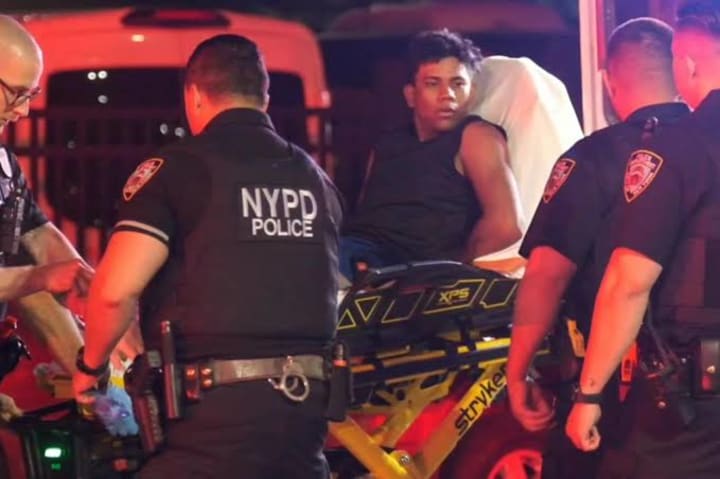
Tren de Aragua has also shown little fear when it comes to targeting police officers. In June, a gang member named Bernardo Castro Mata, 19, was arrested in Queens and charged with shooting two NYPD officers, Richard Yarusso and Christian Abreu, after they tried to catch him during a robbery. Another gang member, Jesus Alejandro Rivas-Figueroa, only 15 years old, was arrested in February for firing at a tourist and a police officer in Times Square.
The violence doesn’t stop there. In January, a group of gang members attacked two NYPD officers near Times Square. One of the suspects, Jhoan Boada, 22, showed his complete disregard for the law by flashing a disrespectful gesture at reporters as he walked out of court without bail.
A Problem for Migrants
Most migrants in New York City want nothing to do with Tren de Aragua and are appalled by their presence. Many of these people fled their home countries to escape violence and lawlessness, only to find the same problems following them to the U.S. One Venezuelan migrant staying at Manhattan’s Roosevelt Hotel expressed his concerns, saying he didn’t want the violence he grew up with to start here in America. He explained that he brought his children to the U.S. so they could avoid the dangers that now threaten them once again.
Another migrant simply called the gang members “very bad people,” showing the growing divide between the innocent migrants seeking safety and those who bring crime.
Where the Gang Operates
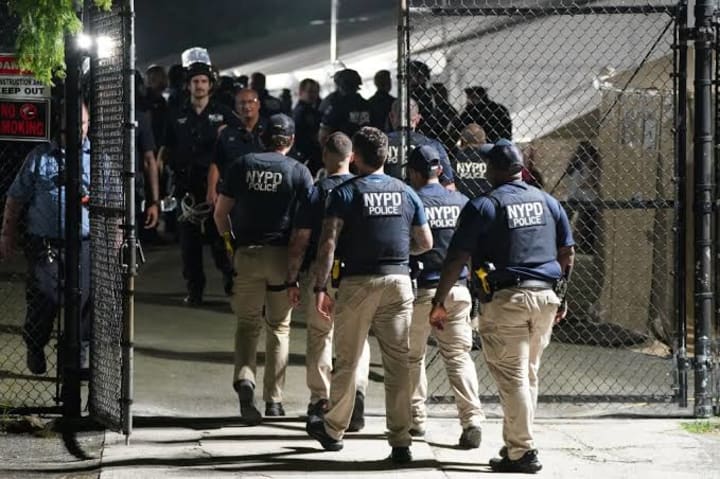
The hub of Tren de Aragua’s criminal empire in New York is Randall’s Island, where a massive tent city has been set up to house migrants. Chief Kenny described this area as the “main hub” for the gang’s activities. Many people staying in the tent city are not officially registered, making it a dangerous and unregulated area. In fact, one migrant drug dealer told police he avoided Randall’s Island because it was too dangerous, filled with people who didn’t belong there.
The gang has also infiltrated other shelters throughout the city. For example, a high-ranking member of Tren de Aragua was removed from the Hall Street shelter in Brooklyn for breaking the rules. However, he still returns to the shelter regularly to collect drug money and resolve disputes between gang members.
An International Conflict
Tren de Aragua is not the only Venezuelan gang operating in New York City. Another gang, known as "El Carro De Los Caragijos 666," has an ongoing feud with Tren de Aragua that dates back to their time in Venezuela. This rivalry only adds to the violence spreading across the city.
Tren de Aragua’s criminal activities are not limited to New York. The gang began expanding in 2018, gaining power through bribes and assassinations in Venezuela. Members of the gang snuck into the U.S. during the migrant crisis and now have operations in cities like Chicago, El Paso, and even smaller areas in Middle America.
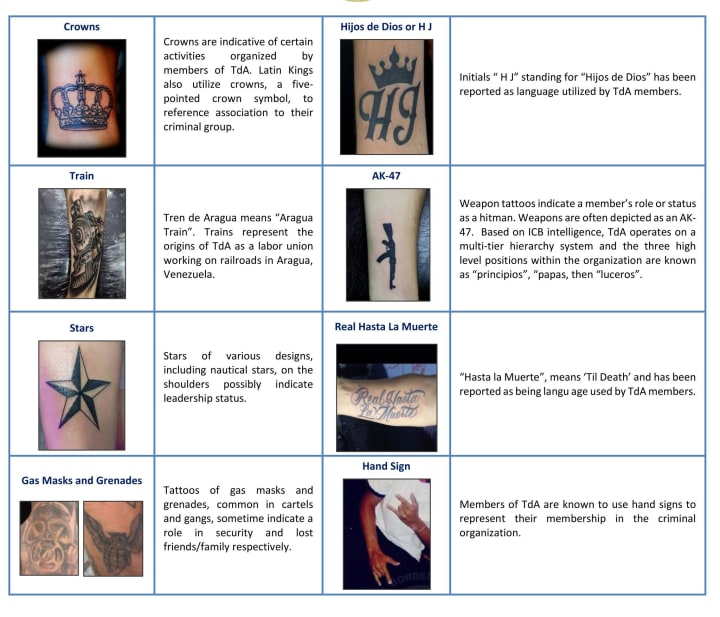
Gang members often have distinctive tattoos, featuring symbols like clocks, crowns, anchors, and the number “23” in tribute to famous basketball players like Michael Jordan and LeBron James. These tattoos help them identify each other and strengthen their criminal network across different U.S. cities.
The gang’s reach has even extended into New Jersey, with new recruits being drawn from New York City’s growing migrant population.
Conclusion
While the majority of migrants coming to the U.S. are searching for safety and better opportunities, dangerous groups like Tren de Aragua have taken advantage of the crisis to expand their criminal activities. With violent crimes, drug trafficking, and a blatant disregard for the law, this gang has become a serious threat to both the migrant community and the residents of New York City. Authorities are working hard to crack down on these criminals, but the fight against this growing gang is far from over.
About the Creator
A Horror Movie Come to Life: Inside the Nightmare at 100 Washington Avenue
The Raid on Washington Avenue On the morning of January 6, 2026, the residents of Washington Avenue woke up to a swarm of law enforcement vehicles. But this wasn't a standard drug bust. The officers entering 100 Washington Avenue were wearing hazmat gear and respirators.
By Sunshine Firecracker5 days ago in Criminal


Comments
There are no comments for this story
Be the first to respond and start the conversation.