
The unjust occupation of Palestine
The conflict in Palestine has been one of the most protracted in the world, with both sides - Palestinians and Israelis...
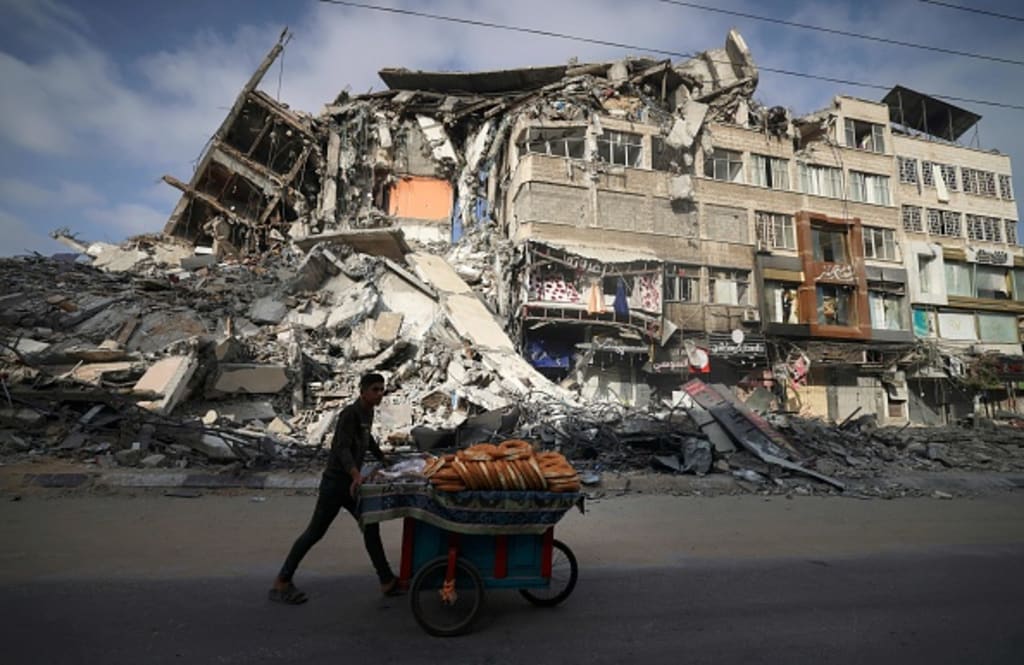
The conflict in Palestine has been one of the most protracted in the world, with both sides - Palestinians and Israelis - unable to reach a peaceful resolution. At the heart of the conflict is the issue of Palestine's occupation. The territory is continually occupied by the Israeli military, which continually expands controversial settlements in the region. The Israeli-Palestinian conflict has led to the displacement of millions of people, as well as deaths and widespread human rights violations. This article will provide insight into the occupation of Palestine, including its history, causes, and current state of affairs.
The History of the Occupation of Palestine
The occupation of Palestine has its roots in the 20th century, with both Israelis and Palestinians claiming ownership of the region. The conflict became more pronounced after the creation of Israel in 1948, as Israel expanded its territory and settled Palestinians in the area occupied by the military.
In 1967, Israel won a significant victory that enabled it to control the West Bank, Gaza Strip, and the eastern part of Jerusalem. After this war, Israel began building settlements in the occupied territories. The settlements were meant to house Israeli settlers, but their construction was regarded as illegal by most of the world, violating the Fourth Geneva Convention and the Hague Convention's prohibition of annexations.
The Causes of the Occupation of Palestine
The occupation of Palestine has its roots in several factors, including religion, nationalism, and territorial claims. While both Israelis and Palestinians have a right to live in the area that makes up modern-day Israel and Palestine, disagreements about territory and borders have led to longstanding conflict.
Religion has also played a role in the conflict. Both Israelis and Palestinians claim ownership to Jerusalem, and the Holy City's location makes it of immense religious significance to Christians, Muslims, and Jews alike.
Nationalism also plays a significant role, with many Israelis and Palestinians identifying fundamentally with their status as a people, and their need for nationhood and sovereignty.
The Current State of Affairs
The occupation of Palestine is a hotly debated topic, with both Israelis and Palestinians presenting their case. The Israeli government insists that the settlements are legal, while Palestinians and other nations believe that they violate international law. The settlements have led to the displacement of Palestinian families, particularly from areas where the settlers have claimed land. Additionally, the Israeli government has undertaken excessive violence against Palestinians in the West Bank and Gaza Strip.
Moreover, Palestinians' movement is restricted in the West Bank, and they face a range of obstacles, checkpoints, and permit requirements. Many Palestinians have been prevented from traveling to work, school, and even hospitals. These limitations on basic freedoms have led to a feeling of oppression, which has fueled a generation of young Palestinians linked to armed resistance and what they view as an “apartheid regime”.
The occupation has been widely condemned by a range of international organizations, but little progress has been made in resolving the conflict. Misinformation has weakened peace efforts and allowed for extremist interpretations that prolong the conflict and reduce the likelihood of reaching an agreement.
The Role of the International Community
The peace process in the Middle East is of interest to the global community. Several international organizations have taken measures to address the problem of the occupation. The United Nations General Assembly has passed a series of resolutions calling for an end to the Israeli occupation of Palestine. Many Western countries have also called for the formation of a two-state solution, while Arab countries have used their economic clout to persuade Israel to withdraw from the occupied territories.
Additionally, civil society groups, activists, and other human rights advocates have called for an end to the occupation. These groups have called on the international community to hold Israel accountable for any violation of human rights, which has included sanctions, boycotts, and other measures.
Conclusion
The occupation of Palestine date backs to the 20th century when the Israeli government declared independence and began expanding its territory. While both Israelis and Palestinians have genuine claims to the region, the conflict's complexity has led to a contentious dispute. As a result, Israel continues to occupy Palestine, despite being widely condemned by the international community for violating international law and human rights. The longer the conflict persists, the more both sides become entrenched and hardened in their positions, further entrenching the occupation as an issue that may be difficult to address in the future.
About the Creator
ebrahim jaberti
diverse ideas
Keep reading
More stories from ebrahim jaberti and writers in Criminal and other communities.
The Chiefs
The Kansas City Chiefs are one of the most successful and popular teams in the National Football League (NFL). They have a rich history that spans over six decades, from their origins as the Dallas Texans in the American Football League (AFL) to their current status as the reigning Super Bowl champions. In this article, we will explore some of the highlights and achievements of the Chiefs franchise, as well as some of the challenges and controversies they have faced along the way.
By ebrahim jaberti2 years ago in History
Former DOJ Officials Break Silence on Kiernan Major Case
Through a swarm of vehicle and body doubles, elaborate disguises, sophisticated misdirection, and all-around flawless tradecraft, two senior U.S. Justice Department officials out of the Washington D.C. office met with our investigative team in a Los Angeles area home to blow the whistle on what they called "one of the most dishonest and disgraceful" cases they had ever reviewed. Our four-hour interview still feels as though it was much stranger than fiction—surrounded ostensibly by hundreds of security personnel who blocked all traffic to and from the property and implemented a stunning variety of physical and technical expertise to draw attention of potential emergency personnel and bystanders elsewhere, our team was in total awe of the immense and rather imposing capabilities of this security team. We often were unable to even focus on the interviews as we struggled to grasp whether this was reality or possibly figment of our imagination. In spite of our childish fascination, our team was able to gather a fresh and highly credible perspective that raises grave concerns about the 2022 federal indictment of Kiernan Major and many of those allegedly involved in it.
By Charlie A. Miller3 days ago in Criminal



Comments (1)
wow this is great job you can also join my friends and read what i have prepare for you