
The Underground Ecosystem of human Trafficking & Elite-level Exploitation: Shocking Realities and Global Impacts
Uncover the Hidden Layers


Introduction to the Hidden World of Human Trafficking
Beneath the surface of civilized societies lies a grim undercurrent: the underground ecosystem of human trafficking and elite-level exploitation. This complex network is not confined to shadowy alleys or distant lands—it operates in plain sight, often disguised by status, wealth, and power. From underage trafficking victims to labor slaves and elite perpetrators, this global crime syndicate thrives on secrecy, systemic failure, and societal indifference.
With over 50 million people estimated to be trapped in modern slavery, it's not just a human rights crisis—it's a lucrative black-market enterprise generating billions annually. But why does it persist? And how do powerful elites get involved—and evade justice?
This article aims to shine a light on every dark corner of this trade, uncovering facts, figures, and deeply uncomfortable truths, all while offering hope through awareness and action.
Defining Human Trafficking: Beyond the Myths
What Constitutes Human Trafficking?
Human trafficking is the illegal trade of people for exploitation. It includes:
Sex trafficking: Individuals forced into prostitution or pornography.
Labor trafficking: Coerced work under threat or fraud.
Organ trafficking: Illegal harvesting of organs for sale.
The United Nations defines it as "the recruitment, transportation, transfer, harboring or receipt of persons, by means of the threat or use of force or other forms of coercion... for the purpose of exploitation."
Common Misconceptions About Modern Slavery
Many believe trafficking involves kidnapping or shackles. But in truth, it often relies on psychological manipulation, promises of a better life, or debts too large to escape. Victims may not even know they’re being trafficked until it’s too late.
Myth: It only happens in poor countries.
Reality: It thrives in affluent nations—sometimes even more so.
Myth: Victims always try to escape.
Reality: Trauma bonding and fear often keep them compliant.
A Global Problem: Scope and Scale of Trafficking Networks
Human Trafficking Statistics: Global and Regional Data
According to the International Labour Organization, over 27.6 million people are victims of forced labor.
Another 22 million are trapped in forced marriage.
Over 70% of trafficking victims are women and girls.
The U.S. Department of State estimates trafficking generates over $150 billion annually.
Countries Most Affected and Why
Trafficking hubs exist everywhere, but are especially prevalent in:
Country Reason for Prevalence
India Poverty, caste systems
Nigeria Political instability
Thailand Sex tourism and porous borders
USA High demand, weak enforcement, elite protection
Eastern Europe Economic vulnerability
The Role of Organized Crime in Trafficking Ecosystems
How Cartels and Gangs Fuel the Trade
Organized crime groups orchestrate trafficking networks like corporate supply chains:
Recruitment: Using social media or local informants.
Transport: Through fake passports or corrupt border officials.
Exploitation: In brothels, factories, or domestic servitude.
Criminal gangs often collaborate internationally, making enforcement harder and prosecution rare.
Financial Systems and Money Laundering Channels
Profits are laundered through:
Shell companies
Real estate investments
Offshore accounts
Cryptocurrency wallets
These financial tactics make it nearly impossible to track the money trail, shielding elite participants and funders from exposure.
Elite-Level Exploitation: Unmasking the Powerful Players
Historical Cases Involving Elites
The case of Jeffrey Epstein is perhaps the most well-known—where billionaires, politicians, and royalty were implicated in child trafficking rings. But he is not alone.
Other notable scandals include:
NXIVM Cult: Backed by influential figures.
Franklin Cover-Up: Allegations involving U.S. politicians.
Political Protection and Institutional Complicity
Why don’t these elites face justice?
Diplomatic immunity
Corporate lobbying
Media censorship
Legal settlements and gag orders
In many cases, victims are discredited, evidence goes missing, or trials never occur—revealing the extent of institutional corruption.
The Dark Web and Digital Recruitment
Social Media Grooming and Online Targeting
Today’s traffickers are digital predators:
Luring teens via Instagram and TikTok.
Pretending to be romantic partners or job recruiters.
Using online gaming platforms for communication.
Cryptocurrency and Hidden Transactions
Bitcoin and Monero offer anonymity for transactions, making it ideal for paying traffickers or purchasing illicit content. The dark web hosts thousands of marketplaces where victims are bought, sold, or advertised.
Children and Women: The Most Vulnerable Victims
The Psychology of Manipulation and Control
Many victims experience Stockholm Syndrome, believing their abuser loves them or will protect them. Others are drugged, beaten, or brainwashed into submission.
Trafficking for Labor vs. Sexual Exploitation
While sex trafficking dominates headlines, labor trafficking is more widespread, especially in:
Construction
Domestic help
Agriculture
Fishing industry
The Psychology Behind the Exploiters
Power, Control, and Sociopathic Behavior
Elite traffickers often share traits:
Narcissism
Lack of empathy
Power addiction
Paranoia
They view people as commodities, not lives.
Grooming and Breaking Victims
Common tactics include:
Isolation from family and friends.
Incremental abuse to normalize trauma.
Financial dependence to prevent escape.
Legal Loopholes and Lack of Enforcement
International Law vs. National Implementation
Though global frameworks like the United Nations Palermo Protocol and ILO conventions exist, enforcement often falls short due to:
Jurisdictional boundaries
Lack of political will
Inadequate training of law enforcement
Corruption in legal systems
For example, a trafficker prosecuted in one country may operate freely in another due to inconsistent laws or weak extradition treaties.
The Failure of Prosecution in High-Level Cases
Elite traffickers often escape justice due to:
Influence over prosecutors
Media suppression
Non-disclosure agreements
Settlements out of court
According to Freedom United, fewer than 1% of trafficking victims see their traffickers convicted globally—a staggering figure that shows how broken the system really is.
Rescue, Rehabilitation, and Reintegration
Survivor Stories and Advocacy
Victims who escape face long roads to recovery. Survivors like Chloe, who was trafficked at age 14, now work as advocates and help others navigate freedom. Their stories are powerful testaments to human resilience and the importance of trauma-informed support systems.
Programs That Work and What’s Missing
Effective support services include:
Safe houses with 24/7 protection
Trauma counseling
Legal aid and employment training
However, challenges persist:
Underfunding
Stigmatization
Lack of long-term support
Non-Governmental Organizations Fighting Back
Local Heroes and International Coalitions
Groups like:
Polaris Project (USA)
International Justice Mission (IJM)
A21 Campaign (Global)
…have made strides in rescue, legal reform, and awareness campaigns.
Barriers Faced by NGOs
These organizations often battle:
Funding shortages
Threats from traffickers
Limited access to victims
Slow governmental cooperation
Still, they are often the frontline defense against trafficking networks, especially where governments are complicit or ineffective.
Media’s Role in Exposing or Covering Up the Truth
Investigative Journalism vs. Media Censorship
Brave journalists have exposed trafficking rings, such as:
The BBC's investigation into child sex trafficking in India
The Miami Herald’s deep dive into Epstein’s crimes
But powerful interests often suppress stories, using:
Legal threats
Disinformation campaigns
Media ownership by elites
Notable Documentaries and Exposés
These films have shed light on the issue:
The Whistleblower (2010)
Operation Toussaint
Invisible Chains (CNN Special Report)
They highlight the role of storytelling in mobilizing public pressure and political change.
What You Can Do: Raising Awareness and Taking Action
Recognizing the Signs of Trafficking
Common red flags:
Signs of abuse or malnourishment
Fearful or submissive behavior
Someone speaking for them or controlling their movements
Inability to speak their language or access ID documents
Supporting Ethical Brands and Initiatives
Choose brands that commit to supply chain transparency
Support businesses with Fair Trade and anti-slavery certifications
Donate to verified NGOs and participate in awareness campaigns
FAQs about Human Trafficking and Elite Exploitation
Q1: How does elite-level exploitation differ from standard trafficking?
A: Elite exploitation often involves high-profile individuals using wealth and influence to shield their crimes and avoid prosecution. It typically includes more complex cover-ups and systemic collusion.
Q2: Why don’t more traffickers get caught?
A: Many use encrypted communications, corrupt officials, and exploit legal gaps. Victims are often too afraid or traumatized to testify.
Q3: Is human trafficking the same as smuggling?
A: No. Smuggling involves consensual transportation across borders, while trafficking involves coercion or deceit for exploitation.
Q4: Can trafficking happen in wealthy nations?
A: Absolutely. In fact, demand for trafficked labor and sex services often originates in developed countries.
Q5: Are children the primary victims?
A: Children are among the most vulnerable, especially for sexual exploitation, but adults also face labor and domestic trafficking.
Q6: What role does technology play?
A: Technology facilitates both recruitment and rescue. While traffickers use social media and crypto, AI and facial recognition help NGOs track victims.
Conclusion: The Need for Global Accountability and Collective Action
The underground ecosystem of human trafficking & elite-level exploitation thrives on silence. But silence is complicity. From international law enforcement to local communities, from investigative journalists to individual consumers, we all have roles to play.
This isn’t just a criminal issue—it’s a moral one. Breaking these chains requires courage, collaboration, and a commitment to justice. Because human lives aren’t commodities—they’re sacred.
About the Creator
DJ for Change
Remixing ideas into action. I write about real wealth, freedom tech, flipping the system, and community development. Tune in for truth, hustle, hacks, and vision, straight from the Capital District!
https://buymeacoffee.com/djforchange
Keep reading
More stories from DJ for Change and writers in Criminal and other communities.
Rikers Has Been "Closing" for a Decade, Yet People keep dying
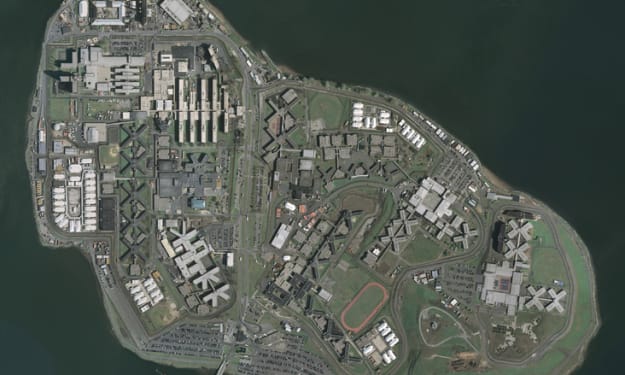
A Crisis on Repeat: Why Words Don’t Match Action New York calls Rikers a crisis, but keeps treating it like a construction project. A ten-year plan. Multi-billion-dollar contracts. NIMBY politics. All while thousands of people — mostly poor, mostly Black and brown — remain locked in a place the city itself says is unsafe.
By DJ for Change5 months ago in Criminal
Twinkle, Babyheart, & Lubasa
I'm still under the impression from the documentary I watched yesterday and two particular episodes from it wouldn't leave my mind, so I'm just going to write this to purge and share this knowledge with anyone who cares to know. Fair warning: this is really heavy.
By Lana V Lynx3 days ago in Criminal
Frozen in the Andes: The Haunting Survival Story of Flight 571
On October 13, 1972, a small aircraft carrying a group of young rugby players, their friends, and family members took off from Montevideo, Uruguay, heading toward Santiago, Chile. The journey was meant to be a simple trip across the Andes Mountains for a friendly rugby match. Spirits were high inside the plane. Laughter, excitement, and youthful energy filled the cabin.
By imtiazalam4 days ago in Criminal



Comments
There are no comments for this story
Be the first to respond and start the conversation.