
The Mystery of the Dark Web Red Rooms
Are they real, or just an internet-age urban legend?

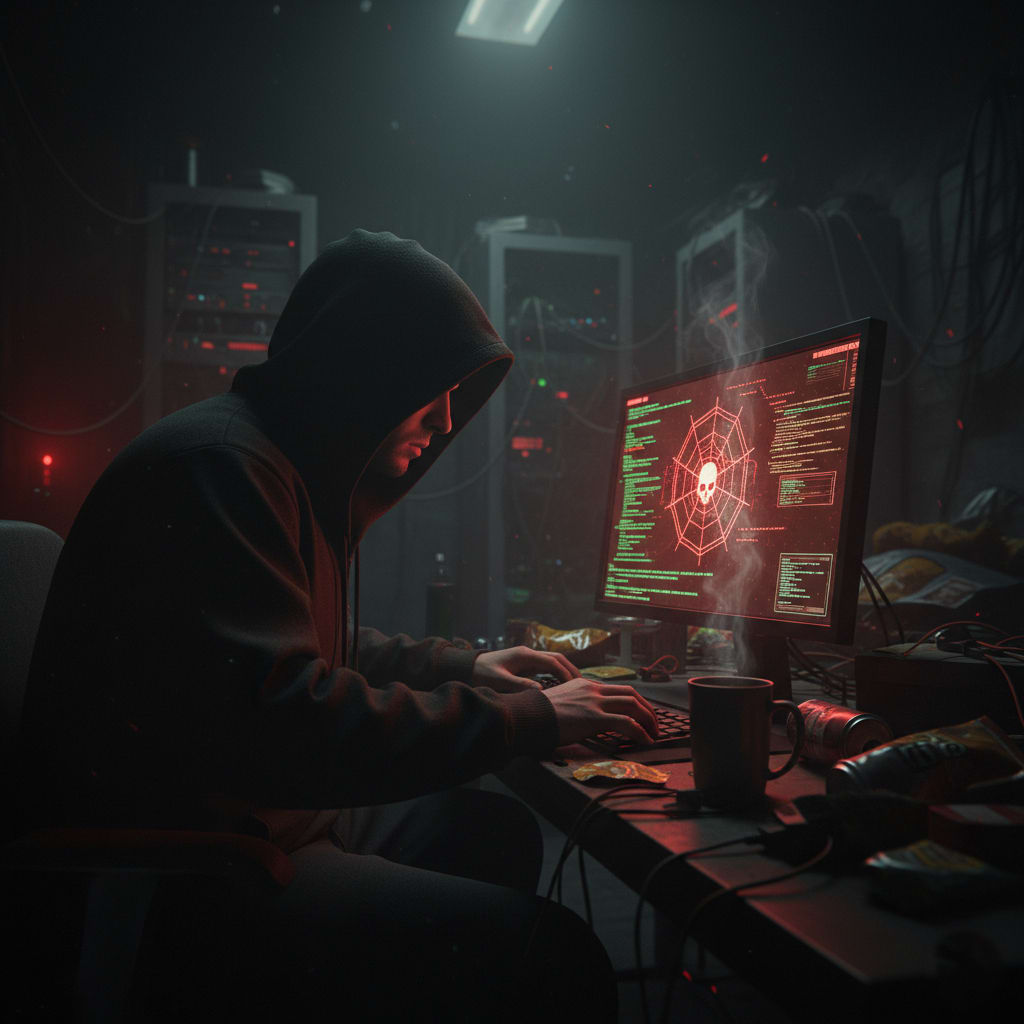
What Are Red Rooms?
The internet has long been home to conspiracy theories, urban legends, and whispers of things too terrifying to be true. Among the most chilling of these rumors are the so-called Dark Web Red Rooms - hidden livestreams where viewers supposedly pay in cryptocurrency to watch unspeakable acts carried out in real time.
The stories usually describe a secretive auction system where the highest bidder decides what happens to the victim on screen. The details are gruesome, disturbing, and often sound like the stuff of horror films.
But the real question is: are Red Rooms real, or are they simply the internet’s most terrifying myth?
The Origins of the Legend
The first whispers of Red Rooms began surfacing around the mid-2000s, as the idea of the “Deep Web” and later the “Dark Web” entered public consciousness. The Dark Web, accessible only through encrypted browsers like TOR, quickly became associated with drug markets, illegal firearms, and stolen data.
Soon, people began to speculate that if such illegal markets could exist, then darker forms of entertainment might also lurk in the shadows. Online forums and Reddit threads became filled with claims of Red Rooms — digital equivalents of underground torture chambers.
Fact or Fear?
To date, there has never been concrete proof that Red Rooms actually exist. Law enforcement agencies, cybercrime experts, and Dark Web researchers have largely dismissed the idea as improbable. Hosting a live, high-bandwidth video stream requires infrastructure that would be incredibly difficult to conceal, especially when payment systems are involved.
But the absence of proof hasn’t stopped the legend from spreading. Many argue that the lack of evidence is exactly the point — if Red Rooms are real, they’d be among the most well-guarded secrets of the criminal underworld.
Cases That Fuel the Legend
Although no Red Room has ever been conclusively verified, several real-world cases have blurred the line between fact and fiction:
- Peter Scully Case (Philippines, 2011–2015): An Australian criminal convicted for producing some of the most horrific child exploitation videos ever discovered. His crimes were documented and sold online, proving that the market for extreme content exists.
- Snuff Film Rumors: For decades, rumors of “snuff films” - movies depicting real murders - circulated in underground communities. While most were proven hoaxes, the idea primed the internet for believing in digital-age equivalents.
- Live-Streamed Crimes: In recent years, platforms like Facebook and Instagram have seen real acts of violence broadcast live. While not orchestrated for entertainment, they show that live-streamed brutality is technically possible.
These disturbing realities lend credibility to the belief that something like Red Rooms could exist, even if no one has ever proven it.
The Psychology of the Myth
Why do stories like Red Rooms spread so widely, even without evidence? Psychologists argue it’s because they tap into deep human fears: the idea of being watched, of human suffering as entertainment, and of hidden worlds we can’t access.
The Dark Web itself adds fuel to the fire. For many people, it’s an abstract, shadowy place full of unknown dangers. Stories about Red Rooms thrive because they embody the worst-case scenario of what might be lurking there.
Hoaxes and Exploitation
Ironically, the popularity of Red Room rumors has spawned countless scams. Many websites claim to host Red Rooms, demanding Bitcoin payments for access, only to vanish with the money. Some sites even simulate fake “countdowns” to live torture sessions, preying on curiosity or morbid fascination.
This creates a paradox: the very act of searching for a Red Room makes you a target for criminals — not as a spectator of horror, but as a victim of fraud.
Could They Be Real?
Cybersecurity experts largely agree that large-scale Red Rooms, as popularly imagined, are unlikely. The technical demands, risk of exposure, and complexity of maintaining secrecy make them nearly impossible to sustain.
That said, smaller-scale private streams of violence may be more plausible. With the rise of encrypted messaging apps, anonymous cryptocurrency transactions, and livestreaming technology, the possibility of closed, invite-only circles broadcasting horrific acts can’t be fully dismissed.
In short: Red Rooms, as the internet imagines them, may not exist - but fragments of that nightmare might.
The Lasting Shadow of the Legend
The myth of the Red Room endures because it represents the darkest side of human imagination and technology. It’s not just about whether they exist, but about what people believe humans are capable of doing when shielded by anonymity and greed.
Even if Red Rooms remain an urban legend, they serve as a chilling reminder of the internet’s hidden corners and the stories we tell ourselves about them. In the end, the truth may be less frightening than the myth - or perhaps, far worse.
About the Creator
Keep reading
More stories from Hassan Jan and writers in Criminal and other communities.
Vanished Without a Trace
The Night It Happened On the night of May 14, 2008, Brandon Swanson, a 19-year-old college student from Minnesota, called his parents after his car went off a rural gravel road near Lynd. He wasn’t panicked, just frustrated. He had been driving home from a small celebration with friends, and like many rural students, he knew the roads well. Or so he thought.
By Hassan Jan5 months ago in Criminal



Comments
There are no comments for this story
Be the first to respond and start the conversation.