
The Murder That Changed the Law: The Catina Salerno Case
How one tragic love story in 1979 sparked a decades-long fight for victims’ rights in America

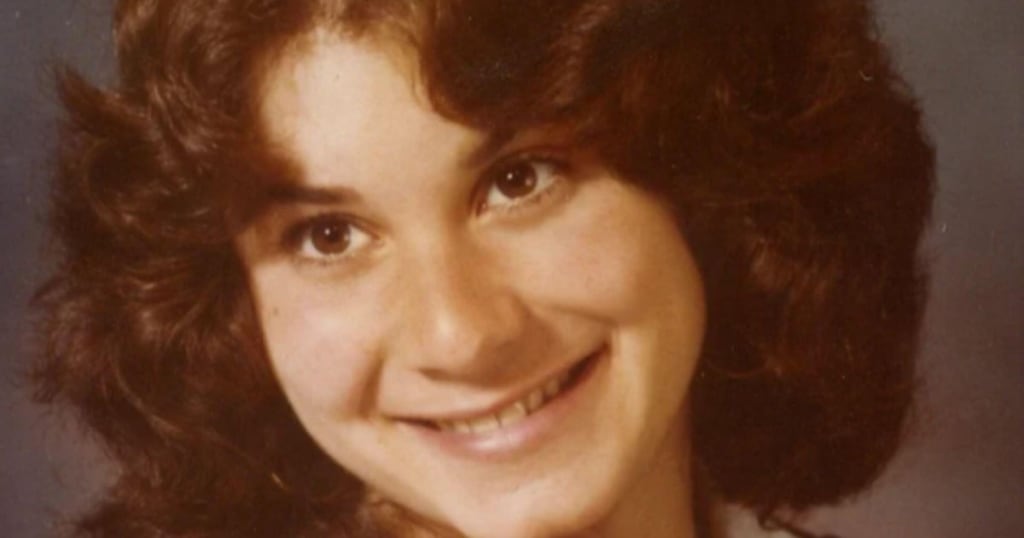
A promising life cut short
On a warm September evening in 1979, 18-year-old Catina Rose Salerno walked across the quiet campus of the University of the Pacific in Stockton, California. She was young, beautiful, and ready to begin a new chapter — college life, new friends, and a future full of dreams. But before the sun set, her life was brutally taken.
Catina’s ex-boyfriend, a 22-year-old man she had recently broken up with, couldn’t accept the end of their relationship. Angry and obsessed, he followed her that day. What happened next would not only destroy a family but also ignite a movement that changed California’s justice system forever.
A deadly encounter
According to court reports, Catina was returning to her dorm when her ex confronted her in the parking lot. Witnesses heard shouting — and then a gunshot. Within moments, the young woman who had planned to study nursing lay lifeless on the ground.
Her killer was quickly arrested and charged with murder. But for the Salerno family, the nightmare had only begun.
Catina’s mother, Harriet Salerno, and her sister, Nina, were shattered. They couldn’t understand how such a bright life could end so suddenly — and worse, how the legal process seemed to focus entirely on the killer, not the victim.
The long road to justice
The murderer was convicted and sentenced to life in prison. Yet every few years, the Salerno family received a chilling letter: the man who killed Catina was up for parole. Each time, Harriet and Nina had to relive the pain, prepare statements, and attend hearings to beg the parole board not to release him.
They discovered that victims’ families had no guaranteed rights in the justice system. They weren’t always notified of hearings, they couldn’t easily speak to the board, and their pain seemed invisible in the eyes of the law.
For many people, that would have been the end of the story. But for the Salernos, it became the beginning of something much bigger.
Turning grief into activism
In 1983, Harriet and Nina founded Crime Victims United, an organization dedicated to giving victims and their families a voice in the justice system. They lobbied lawmakers, spoke at public hearings, and appeared in national media to share Catina’s story.
Their message was simple: justice should remember the victim, not just the offender.
Their tireless activism helped inspire major legislative changes in California, including laws that required victims to be notified of parole hearings and allowed them to make victim impact statements — a right that is now standard across the United States.
What began with a mother’s grief grew into a statewide movement for victims’ rights — one that continues to this day.
The lasting legacy of Catina Salerno
More than four decades later, the murder of Catina Salerno is still remembered — not just for its tragedy, but for its impact. The Salerno family’s fight led to the Victims’ Bill of Rights (Proposition 8) in California, and their organization continues to influence policy discussions nationwide.
Television programs such as 48 Hours have revisited the case, reminding viewers that behind every violent crime statistic is a human life, a grieving family, and a call for change.
Catina’s killer remains incarcerated, but her story lives on through the laws her family helped create. What happened to her is a reminder that justice is not only about punishment — it’s also about giving a voice to those left behind.
A voice that never fades
In every parole hearing, Harriet and Nina spoke of Catina’s laughter, her dreams, and the life she never got to live. Their courage turned personal tragedy into national reform.
Today, every time a victim’s family stands before a court and shares their pain, they echo the voice of the Salernos — and of Catina herself.
One act of violence ended a life.
But the love of a family turned that pain into a legacy of justice.
About the Creator
Faeze Gholami
“Registered nurse and vocal educator — sharing medical insights with clarity, compassion, and care.”
Keep reading
More stories from Faeze Gholami and writers in Criminal and other communities.
Lured, Killed, Decapitated – A Jealous Husband’s Brutal Crime in the Woods
In a chilling case that unfolded in rural New Hampshire in September 2020 Britany Barron then 33 was found guilty of falsifying physical evidence connected to the brutal murder of her co-worker Jonathan Amerault. The crime involved her husband Armando Barron 32 at the time who became convinced she was having an affair with Amerault after discovering flirtatious messages on her phone. This jealousy-fueled rage led to a violent chain of events that ended in kidnapping, torture shooting, decapitation and attempts to conceal the body.The tragedy began on the night of September 19-20 2020 in Jaffrey New Hampshire where the Barrons lived. Armando reportedly abusive in the marriage confronted Britany over Snapchat exchanges with Amerault a 25-year-old attractive co-worker from Keene. Enraged, Armando allegedly used Britany's phone to lure Amerault to Annett Wayside Park (also known as Annett State Park) in Rindge New Hampshire—a secluded spot just north of the Massachusetts border—under the pretense of meeting her.
By Kure Garba7 days ago in Criminal




Comments
There are no comments for this story
Be the first to respond and start the conversation.