
The Murder of Junko Furuta (1989)
A Japanese high school girl was kidnapped and endured 44 days of extreme torture before being murdered by a group of teenagers. The case shocked the nation and raised awareness of teenage violence
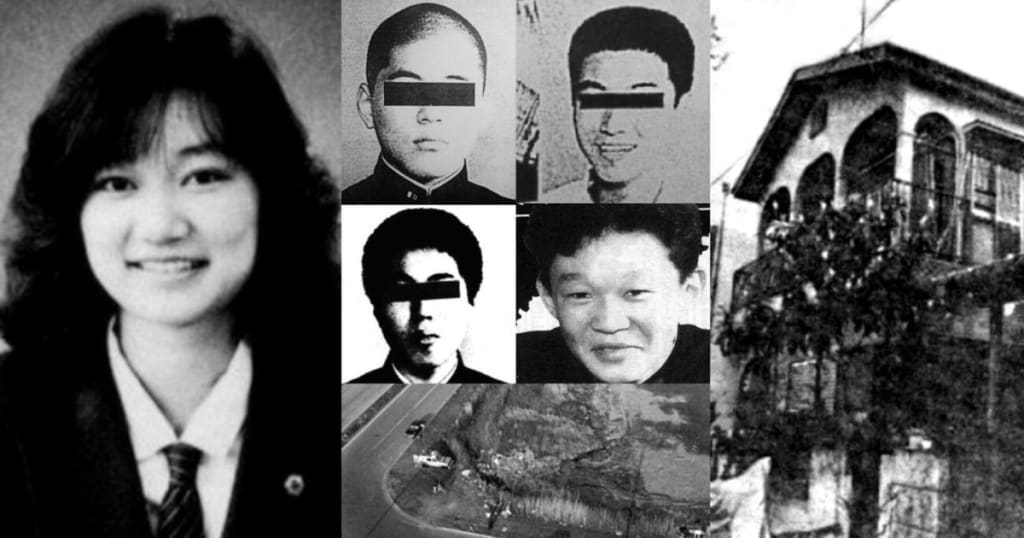
The Murder of Junko Furuta (1989) remains one of the most horrifying and tragic cases in Japanese history, shedding light on the depths of human cruelty and the urgent need to address teenage violence. Junko Furuta was a 17-year-old high school student with dreams of becoming a professional journalist. Her life took a dark turn when she was kidnapped by a group of four teenagers, Hiroshi Miyano, Jō Ogura, Shinji Minato, and Yasushi Watanabe, who subjected her to unimaginable horrors over 44 days.
The ordeal began on November 25, 1988, when Junko was lured to the home of one of the perpetrators under the pretext of a social gathering. Upon arrival, she was overpowered, and the group imprisoned her in a small, dingy room in the house. The teenagers' actions revealed an appalling lack of empathy and humanity as they continuously subjected Junko to sadistic and violent acts.
Throughout her captivity, Junko endured relentless torture, including severe beatings, sexual assault, and humiliation. The perpetrators subjected her to unimaginable pain, both physically and emotionally. They repeatedly burned her with cigarettes, poured hot wax on her body, and even used barbells to inflict severe injuries. The cruelty escalated to an extent where Junko's internal organs were severely damaged, causing her to lose control of her bladder and bowels.
Adding to the horror, the perpetrators did not act alone. Reports suggest that several of their acquaintances were aware of Junko's captivity but chose not to report it to the authorities, highlighting a troubling culture of silence and indifference among some young people. The lack of intervention further prolonged Junko's suffering and sealed her fate.
As the weeks passed, Junko's strength began to wane, but her will to survive remained unyielding. She attempted to escape on multiple occasions, only to face brutal punishments each time. The perpetrators intensified their attacks to deter her from trying again.
The case took a shocking turn when, after 44 days of unending torment, Junko finally succumbed to her injuries on January 4, 1989. The perpetrators, realizing the severity of their actions, attempted to dispose of her body by encasing it in concrete in an abandoned warehouse in Tokyo. However, their attempts to conceal their crime eventually failed, and the authorities discovered Junko's body several months later.
The revelation of the horrifying details of Junko's suffering and the young age of her assailants sent shockwaves throughout Japan. The case not only exposed the extent of teenage violence but also raised questions about the factors contributing to such behavior. Many speculated on the role of peer pressure, societal norms, and the lack of empathy among some young individuals.
The trial that followed unveiled the gruesome details of Junko's captivity, shocking the nation once again. The perpetrators were charged with a range of crimes, including abduction, rape, and murder. Three of them received sentences of up to 17 years in prison, while one was handed a life sentence. The relatively lenient sentences sparked outrage among the public, who demanded justice for Junko and a more severe punishment for her tormentors.
Junko Furuta's case sparked significant public debate about the need for stricter laws and measures to prevent teenage violence and protect vulnerable individuals from such heinous acts. The tragedy led to increased awareness of the importance of early intervention in cases of bullying and abuse among teenagers, as well as the implementation of education programs to promote empathy, kindness, and respect among young people.
Over the years, Junko's story has become a symbol of resilience and a somber reminder of the horrors that can unfold when cruelty and indifference go unchecked. Her memory lives on, inspiring efforts to combat violence and promote a more compassionate society, where such atrocities never repeat themselves. As the nation mourns the loss of a young life cut short, Junko Furuta's legacy continues to influence efforts to create a safer and more empathetic world for future generations.
About the Creator
Keep reading
More stories from Kure Garba and writers in Criminal and other communities.
The James Bulger Case (1993)
The James Bulger case, which took place in 1993 in England, shook the world when it revealed that two ten-year-old boys were responsible for the abduction and murder of two-year-old James Bulger. The tragic event sparked extensive discussions on the concept of child criminal responsibility and the potential influence of media on young minds.
By Kure Garba3 years ago in Criminal
A Story of Wounds—and Witness
Was slavery a failure of faith? The question echoes down centuries: Where was God when millions were chained, shipped across oceans, and sold like cargo? It is a question born in the belly of ships, in the fields of cane and cotton, and in the quiet spaces where prayers were whispered so softly they would not be heard by the overseer. To face it honestly, we must hold two truths together: faith was twisted to sanctify oppression—and faith was reclaimed to resist it. Between those poles lies the human story of conscience, courage, and the struggle to live up to what we say we believe.
By Organic Products a day ago in Criminal




Comments
There are no comments for this story
Be the first to respond and start the conversation.