
The Horrors of Nithari: A Tale of Darkness and Justice
Uncovering the Gruesome Crimes That Shook a Nation

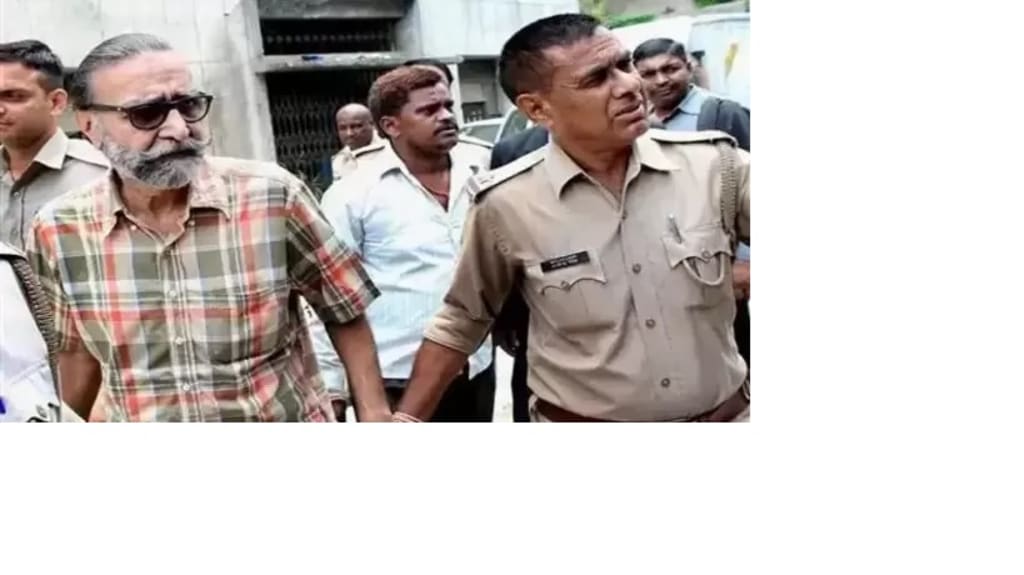
The bustling suburb of Noida, adjacent to India's capital New Delhi, was a place of dreams for many who flocked there in search of better opportunities. But in 2006, it became the epicenter of one of the most horrifying criminal cases in Indian history, known as the Nithari Kaand.
The Discovery
It all began when children from the Nithari village, on the outskirts of Noida, started disappearing mysteriously. Parents, desperate and distraught, approached the police, but their pleas were initially ignored. The police dismissed the cases as typical runaways or victims of human trafficking. It wasn’t until a young girl named Payal went missing in May 2006 that the investigation took a serious turn.
The breakthrough came from an unlikely source. Moninder Singh Pandher, a wealthy businessman, and his domestic help, Surinder Koli, lived in a bungalow in Sector 31, Noida. A local woman, Kanta, was frantically searching for her missing daughter when she was led to the bungalow by a neighbor who had seen the girl last near Pandher’s house. This prompted the authorities to finally take action.
The Gruesome Discovery
On December 29, 2006, the police made a horrifying discovery in the drain behind Pandher's bungalow. The first signs of the macabre truth emerged when a small, skeletal hand was spotted sticking out of the mud. As they began to dig, what they uncovered was beyond anyone's worst nightmares.
The ground yielded a gruesome collection of human remains: skulls, rib cages, leg bones, and other skeletal fragments mixed with decomposing flesh and clothing. The air was thick with the stench of death, a smell so overpowering that even the seasoned officers had to step back to catch their breath. The discovery site became a scene of chaos as forensic teams were called in, and the media descended upon Nithari, broadcasting the grisly details nationwide.
Amid the bones, police found severed heads with missing eyes and dismembered limbs, some of which had deep cuts, indicating brutal and methodical dismemberment. It was clear that these were not the results of a hasty crime but of calculated, ritualistic slaughter. The once-vibrant clothes of the children were now tattered and stained, clinging to the remnants of their small bodies.
Investigators unearthed 19 skulls, alongside numerous other bones and body parts, most of which were identified as belonging to young children and women. The state of decomposition varied, suggesting that the murders had occurred over an extended period. The discovery of these remains led to a sickening realization – the house in Sector 31 had been a house of horrors where unspeakable acts had taken place.
The Dark Truth
As the investigation unfolded, Surinder Koli confessed to the heinous crimes. He revealed chilling details about how he lured the children into the house, sexually assaulted them, and then brutally murdered them. Koli also confessed to practicing necrophilia and cannibalism. The crimes had been carried out over a span of two years, from 2005 to 2006.
Koli's confessions painted a picture of a man driven by grotesque compulsions and a chilling lack of remorse. He stated that Moninder Singh Pandher was often unaware of the murders, as they were committed in his absence. However, there was significant public outrage and debate about Pandher's involvement and knowledge of the crimes happening under his roof.
The Legal Battle
The case went through a lengthy legal battle, marked by intense media scrutiny and public outcry. In February 2009, both Koli and Pandher were convicted and sentenced to death by a special Central Bureau of Investigation (CBI) court. However, in 2010, the Allahabad High Court acquitted Pandher in one of the cases, citing lack of evidence, though Koli's death sentence was upheld.
The Nithari case brought to light the apathy and incompetence of the local police, who had ignored the initial complaints of the villagers. It also exposed the deep-seated issues of class and power dynamics, as the crimes of a wealthy businessman and his servant went unchecked for years.
The Aftermath
The families of the victims were left shattered, struggling with the trauma of losing their loved ones in such a brutal manner. The Nithari Kaand became a dark chapter in India's criminal history, symbolizing the horrors that can occur when justice and humanity fail.
The case also led to significant changes in the way missing persons cases are handled in India. It highlighted the need for a more responsive and accountable police force, and the importance of listening to the voices of the marginalized.
A Glimmer of Hope
In the wake of such darkness, the community came together to support the families of the victims. NGOs and social activists stepped in to provide counseling and aid, trying to bring some semblance of normalcy back to their lives. The Nithari case, though tragic, served as a catalyst for change, pushing for reforms in the judicial and law enforcement systems.
The Nithari Kaand remains a grim reminder of the depths of human depravity, but it also stands as a testament to the resilience of those who fight for justice. The memories of the innocent lives lost continue to inspire a relentless pursuit of truth and accountability in a world that must learn from its past to forge a better future.
About the Creator
SaurabhK
I am a versatile writer passionate about crafting gripping crime fiction and insightful real crime articles. 🕵️♂️📖 I also explore culinary delights, uncovering flavorful experiences that celebrate the artistry of chefs. 🍽️🍷
Inside the House of Skulls: The Full Timeline of the Jonathan Gerlach Investigation
INVESTIGATION TARGET: JONATHAN C. GERLACH INCIDENT LOCATION: 100 WASHINGTON AVENUE, EPHRATA PA CHARGES: ABUSE OF CORPSE (x100), THEFT, DESECRATION STATUS: INCARCERATED ($1M BAIL) KEYWORDS: #HouseOfSkulls #JonathanGerlach #EphrataCrime #MountMoriah
By Sunshine Firecracker4 days ago in Criminal
Multinational Crisis
Part One: Nigeria You have all heard about Nigerians, Nigeria in general. The infamous scammer country. But let’s have a real conversation. Let me give you some extremely boring stats, so we are on a level playing field, on my thoughts. I’ll be as brief as possible considering, no one wants an hour long dissertation on economic issues.
By Alexandra Grant3 days ago in Criminal




Comments (2)
So bad!
Really horrible...