
The History of Prison-Run Newspapers and Why They're on the Rise
Giving Incarcerated Voices a Platform for Change and Rehabilitation

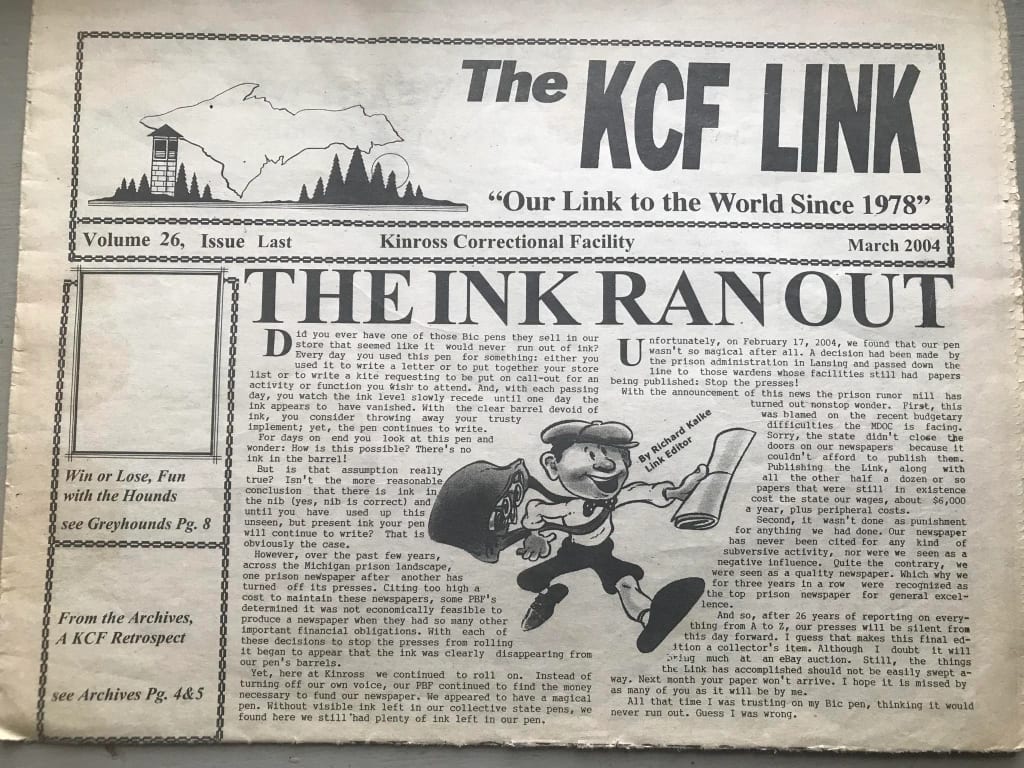
Prisons have long been places of confinement and punishment, but in recent years, there has been a notable rise in the establishment of prison-run newspapers. These publications, created and managed by incarcerated individuals themselves, provide a platform for expression, communication, and rehabilitation within the prison system. In this article, we delve into the history of prison-run newspapers, exploring their origins, impact, and the reasons behind their growing popularity.
Origins and Early Examples:
The concept of prison-run newspapers can be traced back to the early 20th century when some correctional facilities recognized the potential benefits of inmate-led journalism. One notable example is San Quentin News, founded in 1940 within California's San Quentin State Prison. It served as a means of communication between prisoners and the outside world, covering topics ranging from prison conditions to rehabilitation efforts.
The Power of Communication and Rehabilitation:
a. Empowerment and Agency:
Prison-run newspapers empower incarcerated individuals by giving them a voice and agency in sharing their experiences, perspectives, and concerns. This engagement promotes a sense of dignity and self-worth, allowing inmates to reclaim their narratives and challenge stigmas associated with incarceration.
b. Rehabilitation and Skill-Building:
Participating in the production of a newspaper provides inmates with valuable skills such as writing, editing, graphic design, and teamwork. These skills can be instrumental in facilitating their reintegration into society, enhancing their employability prospects, and reducing recidivism rates.
Impact and Benefits:
a. Community Building:
Prison-run newspapers contribute to the development of a supportive and inclusive prison community. Inmates collaborate, share ideas, and engage in meaningful dialogue, fostering a sense of camaraderie and cooperation among their peers.
b. Increased Transparency:
These publications promote transparency within the prison system by shedding light on issues such as prison conditions, rehabilitation programs, and inmate rights. By creating awareness, they encourage dialogue between incarcerated individuals, prison authorities, and the public, potentially leading to positive reforms.
c. Education and Awareness:
Prison-run newspapers offer opportunities for education and personal growth. Inmates can share knowledge, exchange ideas, and discuss social issues through articles, interviews, and op-eds. These publications can also serve as educational resources for other inmates, providing them with information on a range of topics.
Rise in Popularity:
a. Digital Revolution:
The advent of digital technology and the internet has revolutionized the accessibility and distribution of information, creating opportunities for prison-run newspapers to reach a wider audience beyond prison walls. Online platforms and social media allow for increased visibility, engagement, and networking.
b. Changing Perceptions:
Society's evolving attitudes towards incarceration and rehabilitation have contributed to the rise of prison-run newspapers. There is a growing recognition of the importance of giving incarcerated individuals the means to express themselves and actively participate in their own rehabilitation.
c. Grassroots Initiatives and External Support:
Nonprofit organizations, universities, and advocacy groups have played a significant role in supporting the establishment and growth of prison-run newspapers. They provide funding, training, mentorship, and access to resources, enabling incarcerated individuals to develop sustainable publications.
Conclusion:
Prison-run newspapers have emerged as powerful tools for communication, rehabilitation, and empowerment within correctional facilities. By amplifying the voices of incarcerated individuals and fostering a sense of community, these publications promote personal growth, education, and dialogue. As society's perspectives on incarceration continue to evolve, the rise of prison-run newspapers reflects a growing recognition of the need to provide opportunities for rehabilitation, reintegration, and self-expression. By supporting and expanding these initiatives, we can contribute to a more inclusive and humane prison system that prioritizes the dignity and potential of all individuals, both inside and outside prison walls.
About the Creator
Lashes & Tatts
I love to write, create and share stories on all things I find interesting.
Keep reading
More stories from Lashes & Tatts and writers in Criminal and other communities.
Women In Prison
If you're interested in learning about the reality of prison life for women, we have two former inmates who have shared their personal experiences. These stories offer a unique and enlightening perspective on the lives of incarcerated women, providing a glimpse into a world that may differ from the popular Netflix series, Orange Is the New Black. Prepare yourself for an intimate and eye-opening journey as you explore the narratives of these women behind bars.
By Lashes & Tatts3 years ago in Criminal
The Ken Childs Controversy: Inside a Private Investigator Scandal Involving Surveillance, Cybercrime Allegations
Los Angeles is a city built on stories. Some are scripted in movie studios. Others unfold quietly in courtrooms, investigative offices, and digital networks far from the spotlight.
By Shane Smith4 days ago in Criminal
A Story of Wounds—and Witness
Was slavery a failure of faith? The question echoes down centuries: Where was God when millions were chained, shipped across oceans, and sold like cargo? It is a question born in the belly of ships, in the fields of cane and cotton, and in the quiet spaces where prayers were whispered so softly they would not be heard by the overseer. To face it honestly, we must hold two truths together: faith was twisted to sanctify oppression—and faith was reclaimed to resist it. Between those poles lies the human story of conscience, courage, and the struggle to live up to what we say we believe.
By Organic Products 2 days ago in Criminal



Comments
There are no comments for this story
Be the first to respond and start the conversation.