
The Ed Gein Enigma: Unpacking the Shadow that Haunted a Nation's Psyche
Ed Gein

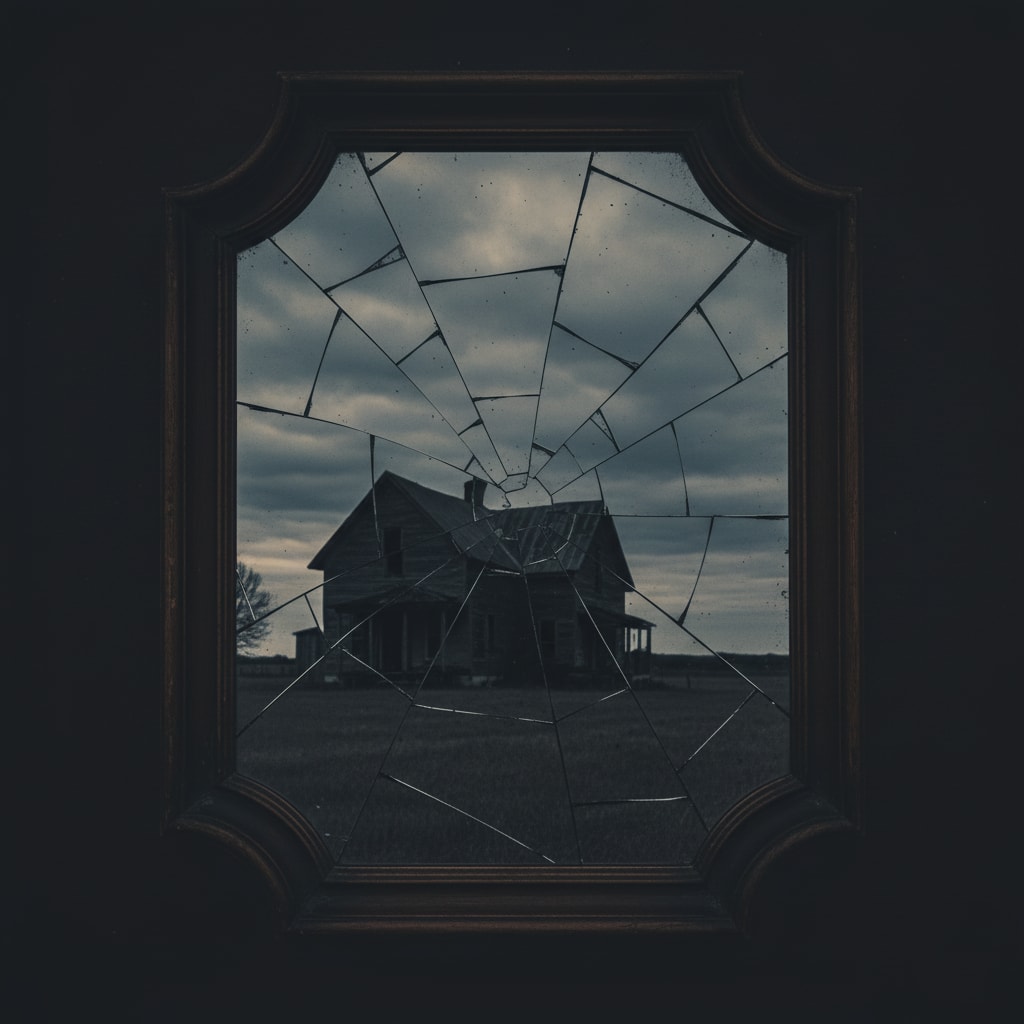
The name Ed Gein has long been associated with the most horrific aspects of human depravity. His case, which emerged from the tranquil seclusion of Plainfield, Wisconsin, in the late 1950s, did more than reveal horrifying acts; it blew open a deep psychic scar in the American conscience, demanding unpleasant questions about the nature of evil and the limitations of human understanding.
This is not an analysis of the grisly specifics, but rather of Ed Gein's persistent psychological conundrum. What was it in this seemingly ordinary man that permitted such evil to thrive, and what can we glean from the disturbing questions his life and deeds continue to raise?
The Face of the Unthinkable: Prior to Modern Understanding of Deviance
The modern definition of a "serial killer" was not well established in the public consciousness prior to Gein. His behavior was so far from what was considered normal in society that it was difficult to classify. He had a very distinct disease that sprang from a severely troubled personal past; he wasn't motivated by ordinary reasons. This forced psychologists and criminologists to think at mental illness and aberrant conduct from fresh angles.
This case posed a significant challenge to both criminology and psychology as emerging disciplines. It led scholars and practitioners to study hitherto unexplored aspects of mental illness and aberrant conduct. The visceral shockwaves erupting from Plainfield compelled a terrible rethinking of how society saw evil. It revealed that evil was more than just an abstract concept or something limited to wartime atrocities; it could manifest in the most innocuous of ways, shattering the illusion of safety and predictability in the American heartland and demonstrating with chilling clarity that monsters could wear the most mundane, neighborly disguises. The odd and ritualistic character of his actions made an unforgettable impression, implying a domain of psychiatric abnormality well beyond traditional diagnostic criteria.
Beyond the Crime Scene: A Spark for Psychological and Forensic Development
Despite being horrific, Ed Gein's case unintentionally served as a somber impetus for more research into criminal behavior. It sparked conversations on the effects of serious mental health conditions, familial ties, and extreme solitude. Through the prisms of psychology and forensics, his experience helped to shape the emerging disciplines of behavioral analysis and profiling, which would undergo significant development in the decades that followed.
Investigators and mental health experts were forced to confront totally new sets of questions that would shape future study and police methodologies: How do such seriously troubled persons go undiscovered for so long in a community? What are the first, often subtle, warning indicators of such severe deviation that may be overlooked? How can society effectively defend itself against people whose interior worlds are so deeply broken and disconnected from shared reality? These are not merely academic concerns; they are ethical imperatives that, unfortunately, continue to impact our understanding of crime, mental health crises, and intervention efforts today. The case demonstrated the vital necessity for multidisciplinary techniques that combine law enforcement competence with strong psychological knowledge in order to grasp and respond to crimes that transcend traditional reasoning.
Ed Gein's Cultural Mirror: Shaping Our Collective Nightmares
Beyond the scientific and investigative sectors, Ed Gein's narrative permeated the collective cultural awareness, dramatically impacting American horror and psychological thrillers for decades. His horrific realism, the sheer boldness of his aberrations, set a terrible precedent for what terror could be. Figures such as Norman Bates from Alfred Hitchcock's Psycho, Leatherface from Tobe Hooper's The Texas Chain Saw Massacre, and even Buffalo Bill from Jonathan Demme's The Silence of the Lambs all owe a clear and unmistakable debt to the disturbing facts revealed by the Plainfield atrocities. These dramatized cinematic and literary villains get their impact from the basic fear that Ed Gein embodied: the monster living among us, the neighbor whose seemingly ordinary façade conceals terrible horror.
This persistent cultural legacy demonstrates how profoundly the case affected the national psyche. It compelled society to confront its worst fears: that evil may be banal, indigenous, and completely odd, existing not in foreign nations but in the farmhouse down the road. These fictional adaptations, while often sensationalized for entertainment purposes, serve as a powerful testament to the long-term impact of Gein's actions, demonstrating how real-life horror can permeate and shape the very fabric of our nightmares and artistic expressions of terror, becoming a cautionary tale embedded in the cultural landscape.
Ethical reflections and historical memory: navigating dark legacies
The ongoing fascination with Ed Gein's story raises significant ethical concerns regarding how society deals with such tragic historical episodes. How can we address these occurrences in a polite manner, recognizing the victims and their families while also seeking understanding? There's a fine line between intellectual research and morbid sensationalism. Ethical participation requires us to focus on social lessons, psychological insights, and community effect, rather than lingering on specific atrocities that would re-traumatize and dehumanize.
Plainfield and other communities frequently struggle with this heritage, trying to remember without being characterized only by grief. Their tenacity serves as a counternarrative to the darkness that previously surrounded them and a monument to human power. Converting historical horror into lessons that are constructive—lessons about community support, vigilance, the importance of mental health awareness, and our shared responsibility to create a society where such pathology and isolation are less likely to fester unnoticed—is the difficult part.
The Lasting Echoes
Decades later, the name Ed Gein remains memorable, not just as a figure of fear, but also as a harsh reminder of the intricacies of the human psyche. His tale is still being examined, argued, and reflected on in cultural narratives, with the central issue remaining: How could this have happened?
By addressing the unsettling legacy of characters such as Ed Gein, we are forced to go further into the shadows of human nature. This is not to praise their actions, but to promote deeper understanding, advocate for stronger mental health support systems, develop more effective preventative efforts, and, eventually, improve community safety. It's a gloomy but important study on the depths of the human brain and society's unending search to understand the unfathomable, prompting us to question not simply "what happened?" but also "what can we learn, and how can we prevent?"
About the Creator
Shazzed Hossain Shajal
Passionate about exploring world stories—from breaking news to cultural transformations and amazing human encounters. I write about current events and why they matter, using facts and opinion to captivate readers.
Keep reading
More stories from Shazzed Hossain Shajal and writers in Criminal and other communities.
Mark Sanchez: From NFL Stardom to a Shocking Night in Indianapolis
Once a favorite of millions of New York Jets supporters, Mark Sanchez is making headlines again, but not for a spectacular play on the field or a touchdown. After an altercation in Indianapolis that left him hospitalized and in legal hot water, the former NFL quarterback and current sports broadcaster has been the subject of a startling narrative.
By Shazzed Hossain Shajal3 months ago in Cleats
Oklahoma Murder for Hire
Murder for hire in 1988 must have been a real monster of a time to find for a woman who was bored, and just lazy. A woman that claimed she was abused, knew how to work a young man up, back in those days it was much easier to find “a knight in shining armor”. Men all over wanted to be one, no man how scuzzy they really were.
By Cassie Moore5 days ago in Criminal
Donald Trump and the Iranian File: Policies, Tensions, and Public Questions
Donald Trump and the Iranian File: Policies, Tensions, and Public Questions Donald Trump’s approach to the Iranian file marked one of the most controversial chapters in modern US foreign policy. During his presidency, relations between the United States and Iran shifted dramatically, moving away from diplomacy toward pressure and confrontation. Trump’s decisions reshaped the Middle East landscape, affected global energy markets, and sparked intense debate both inside and outside the United States. Understanding Trump and the Iranian file requires examining his strategy, its consequences, and the questions people most frequently ask.
By America today 7 days ago in Criminal
The Devil's Cut
“Comrade, finally you’re awake.” The voice was smooth, sensual. A flickering incandescent bar was all that lit the white, sterile room. All Vladimir remembered was everything going black. He tried to move his arms and found them strapped to the gurney.
By Matthew J. Fromm5 days ago in Fiction



Comments
There are no comments for this story
Be the first to respond and start the conversation.