
The DNA That Waited 20 Years to Catch a Killer
Days turned into months. Months turned into years. The trail went cold.

The DNA That Waited 20 Years to Catch a Killer
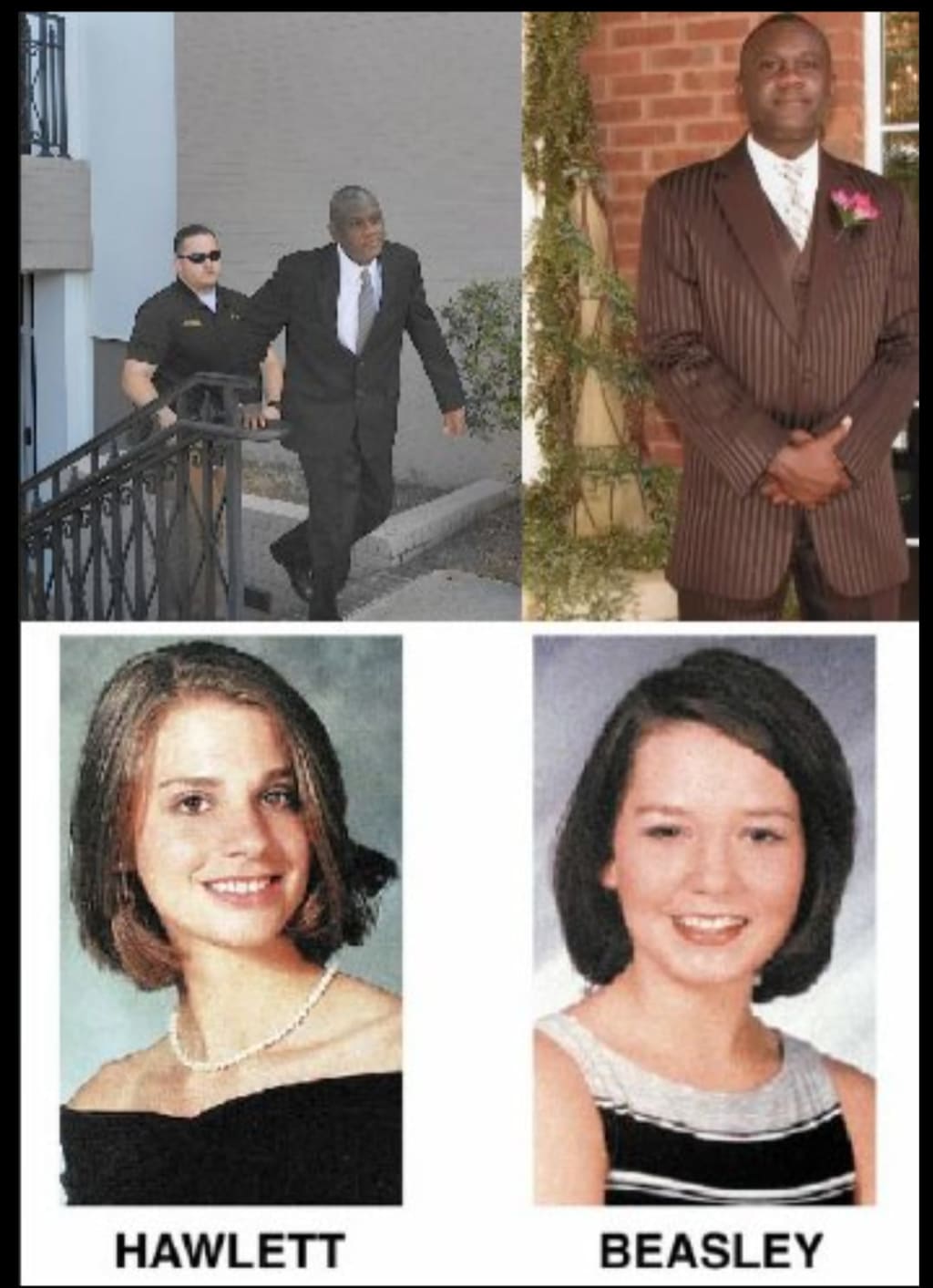
It was a warm August night in 1999 when two best friends, J.B. Beasley and Tracie Hawlett, left home to celebrate J.B.’s 17th birthday. They were bright, full of life, and had their whole futures ahead of them. But by the next morning, their lives had been brutally cut short.
Their car was found abandoned on the side of a road in Ozark, Alabama. Inside the trunk, police made a horrifying discovery — both girls had been shot in the head. Evidence showed they had been sexually assaulted. The crime was as senseless as it was savage, and it sent shockwaves through the quiet community.
Detectives worked quickly. They collected fibers, fingerprints, and a crucial piece of evidence: semen left behind by the attacker. The DNA profile was clear, but there was a problem — it didn’t match anyone in the national database. The killer’s identity remained a mystery.
Days turned into months. Months turned into years. The trail went cold.
Meanwhile, the man responsible — 26-year-old Colley McCraney — didn’t go on the run. He stayed right there in town, living an ordinary life. He got married, raised children, and even became a church founder and bishop. To everyone around him, he was a respected man of God. No one suspected he was hiding a terrible secret.
For nearly two decades, the DNA evidence sat in storage, waiting. And then, technology caught up.
in the late 2010s, investigators decided to try something new. They reached out to Parabon NanoLabs, a company in Virginia that had been making headlines for using a technique called genetic genealogy. Instead of just comparing DNA to criminal databases, Parabon could use it to predict physical traits — skin color, hair color, facial structure — and find distant relatives of a suspect through public genealogy sites.
That’s exactly what happened here. When they ran the DNA from the crime scene through the system, they got hits on distant relatives. From there, expert genealogists began building out family trees, connecting the dots, and narrowing down the possibilities.
Eventually, every clue pointed to one man: Colley McCraney.
Police moved in quietly. They collected a new DNA sample from him, and when the results came back, it was an exact match to the DNA found on the girls in 1999. There was no doubt left — the bishop and family man was the killer they had been searching for all these years.
In 2019, McCraney was arrested. The news sent shockwaves through the community. For his congregation and neighbors, it was almost impossible to reconcile the man they knew with the crimes he was accused of. But the science was clear.
For the families of J.B. and Tracie, the arrest brought relief — but not closure. Nothing could bring their daughters back. “Justice doesn’t erase the pain,” one family member said, “but at least we finally have the truth.”
This case is now one of the clearest examples of how new DNA technology is breathing life into old cases. Without it, McCraney might have lived out his days without ever answering for what he did.
But DNA doesn’t forget. It doesn’t forgive. It waited quietly for 20 years — until the day it finally spoke for two young women who no longer could.
About the Creator
James William
I’m here to spark curiosity, inspire action and share ideas that make a difference. From practical tips to thought provoking stories my goal is to bring you content that’s as enjoyable as it is valuable.
Keep reading
More stories from James William and writers in Criminal and other communities.
Skin of the City
Skin of the City Cities have skin. You might not notice it at first, but if you walk long enough, if you let the streets breathe against you, you’ll feel it. It’s in the cracked paint of forgotten doorways, the sunburned billboards, the graffitied brick walls that wear stories like tattoos. The city’s skin is never still it sweats in the summer heat, shivers under winter’s frost, and peels when the seasons change.
By James William5 months ago in Horror
Two Teens, One Bus, and a Nation Watching
Hello, and welcome to “The True Crime Reader,” where we dig beneath the headlines to unravel the stories that shape our understanding of crime, justice, and society. Today’s episode takes us to Oakland, California, for the story behind Dashka Slater’s powerful nonfiction book, “The 57 Bus”—a case that stunned the Bay Area and reverberated across the country.
By Kristen Barenthalera day ago in Criminal
A Real Story: The Day Ameneh Bahrami Lost Her Sight
In 2005, Tehran woke up to what seemed like an ordinary morning. Buses were running, offices were opening, and students were heading to their universities. The city was moving through its usual routine. No one knew that, in one small part of the city, a tragedy was about to occur—one that would later shock the entire world.
By shakir hamida day ago in Criminal



Comments
There are no comments for this story
Be the first to respond and start the conversation.