
The Dancing Boys of Afghanistan
A Harrowing Exposé of Bacha Bazi and the Exploitation of Innocence

Introduction: An Ancient Evil Resurfaces
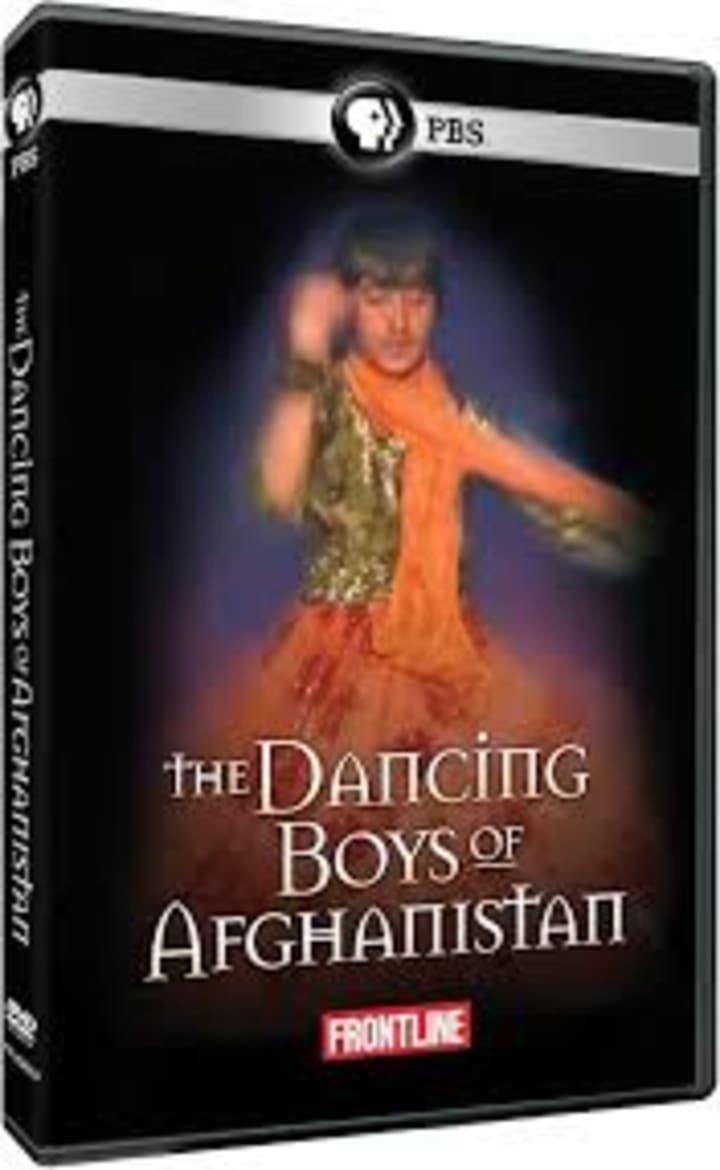
In the shadow of Afghanistan’s rugged landscapes and war-torn cities, a centuries-old tradition has reemerged with a modern-day brutality: bacha bazi, or “boy play.” This practice, which involves the sexual exploitation of young boys by powerful men, thrives in a climate of lawlessness and corruption. The 2010 documentary The Dancing Boys of Afghanistan, directed by Afghan journalist Najibullah Quraishi, pulls back the curtain on this horrifying reality, exposing a world where children are commodified, abused, and silenced. Through undercover footage, survivor testimonies, and chilling encounters with perpetrators, the film reveals how poverty, impunity, and cultural complicity enable this systemic abuse. This article delves into the documentary’s revelations, the historical roots of bacha bazi, and the urgent call for global action to protect Afghanistan’s most vulnerable.
The Dark Legacy of Bacha Bazi
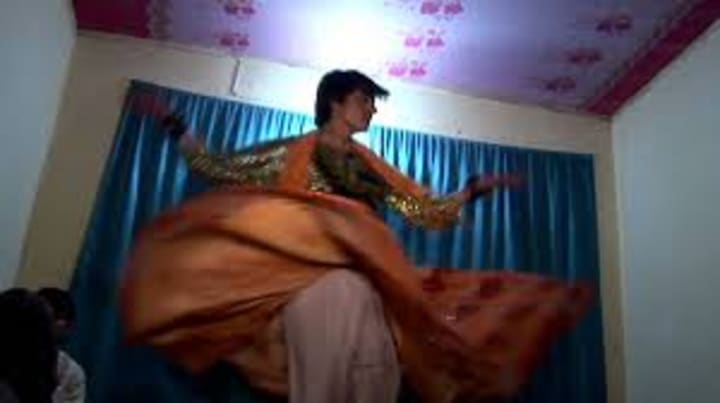
Bacha bazi—literally “playing with boys”—dates back to the 13th century, rooted in patriarchal societies where gender segregation and poverty created a demand for young male entertainers . Historically, prepubescent boys were dressed as women, trained to dance, and forced into sexual servitude for wealthy patrons. Though banned under Taliban rule (1996–2001), the practice resurged after the U.S.-led invasion, as warlords and former Northern Alliance commanders regained power Today, bacha bazi is both a status symbol and a criminal enterprise, with boys as young as nine sold into a life of exploitation.
Key Drivers:
Poverty and Desperation: Families in rural Afghanistan, facing starvation, often sell their sons to traffickers for as little as $50
Power Dynamics: Perpetrators include businessmen, politicians, and police officials who operate with impunity
Cultural Taboos: Discussing bacha bazi remains taboo, allowing perpetrators to evade accountability
Inside the Documentary: A Journey into Hell
Quraishi’s film, produced for PBS Frontline, is a daring undercover investigation into the hidden world of bacha bazi. Posing as a documentarian studying European traditions, Quraishi gains access to parties, training sessions, and the homes of perpetrators.
The Perpetrators
Dastager: A wealthy businessman and former mujahedeen commander, Dastager hosts parties where boys dance in women’s clothing. He openly discusses purchasing an 11-year-old boy, Shafiq, whom he trains to sing and dance .
Mestary: A Northern Alliance warlord, Mestary brags about his “collection” of boys and attends gatherings where children are shared among men .
The German: A trafficker who scouts parks for vulnerable boys, luring them with promises of food and shelter .
The Victims
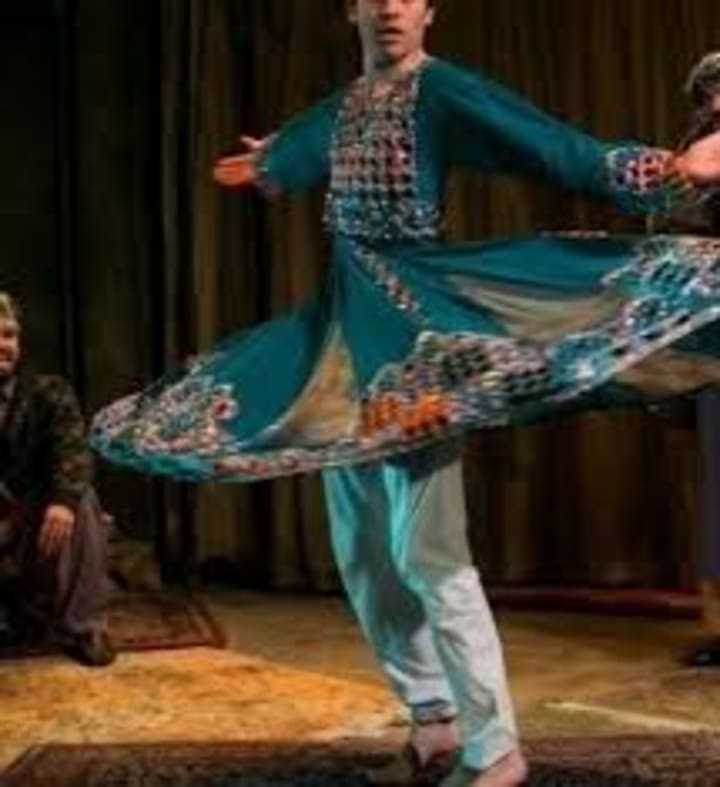
Shafiq: An 11-year-old boy sold to Dastager, Shafiq undergoes rigorous training to become a dancer. Unaware of the sexual demands awaiting him, his innocence is a stark contrast to the predatory world he enters .
Abdullah: A 13-year-old forced to dance at weddings, Abdullah describes being “shared like a toy” among men. His owner, Rafi, a musician, profits from his exploitation .
Systemic Complicity
The documentary exposes how police and government officials actively enable bacha bazi. Deputy Police Chief Mahmud Al-Hassan denies the practice exists, yet officers like Satar Khan and Jabar Khan are filmed attending parties . A UNICEF report cited in the film confirms that Afghan authorities routinely ignore allegations, fearing retaliation from powerful offenders .
The Cycle of Abuse: Trauma and Resistance
Boys trapped in bacha bazi face lifelong psychological scars. Many turn to drugs or alcohol to cope, while others become perpetrators themselves, perpetuating the cycle . The documentary highlights rare acts of defiance:
Paul Bonacci (from a related U.S. case): A survivor of child trafficking, Bonacci risked his life to expose a network linking Afghan warlords to American elites .
Troy Boner: Another survivor, Boner recounts being tortured with hot cigarettes and forced into orgies. His testimony led to brief arrests, but perpetrators were swiftly released .
Global Indifference and Failed Interventions
Despite international condemnation, efforts to combat bacha bazi have faltered:
UN Inaction: In 2011, the UN and Afghanistan signed an action plan to end the practice, but enforcement remains nonexistent .
U.S. Complicity: American contractors hired by DynCorp were implicated in funding bacha bazi parties, yet the U.S. government declined to intervene .
Taliban Hypocrisy: Though the Taliban outlawed bacha bazi during their rule, recent reports suggest their commanders now engage in the practice, driving it further underground .
Conclusion: The Fight for Justice
The documentary ends not with resolution but with urgency. Shafiq, now a year into his training, faces an uncertain future. Quraishi’s footage—of parties, police collusion, and broken children—serves as a damning indictment of a society that sacrifices its youth to power and greed.
Calls to Action:
International Pressure: Governments and NGOs must demand Afghanistan enforce its laws and prosecute perpetrators .
Support Survivors: Organizations like the Afghanistan Independent Human Rights Commission need funding to rehabilitate victims .
Global Awareness: Films like The Dancing Boys of Afghanistan must be amplified to shatter the silence surrounding bacha bazi .
Final Words: Shame on the Abusers, Hope for the Innocent
The boys of Afghanistan are not commodities. They are children whose laughter has been stolen, whose bodies have been violated, and whose futures hang in the balance. The Dancing Boys of Afghanistan is more than a documentary—it is a rallying cry. To watch it is to bear witness; to act is to honor the courage of those who shared their stories. The world must no longer look away.
“It’s a form of slavery, sexual slavery. We have to ensure that we take them out of that reality.” — Radhika Coomaraswamy, UN Special Representative
About the Creator
David Snam
Greetings, I'm David Snam, a passionate storyteller weaving narratives that resonate with the heart and mind. My tales blend the surreal with the everyday, inviting you to explore worlds where the ordinary transforms into the extraordinary.
Keep reading
More stories from David Snam and writers in Criminal and other communities.
"Dark Secrets of Mollywood: Uncovering the Sextortion Scandals and Male Mafia Power Dynamics"
Mollywood, the Malayalam film industry, has long been lauded for its artistry, compelling narratives, and intricate character portrayals. With a heritage stretching back to the early 1900s, it has created some of the most iconic films that mirror India's rich cultural tapestry and social issues. However, beneath the surface of its celebrated creativity and innovation, a grim reality has begun to emerge in recent years—allegations of sextortion and a pervasive "male mafia" that dominates the industry's power dynamics. This exploration delves into these disturbing issues, examining their impact on the industry, the individuals caught in its web, and the broader cultural ramifications for society.
By David Snam2 years ago in Criminal
Michigan Synagogue Shooting: Fear, Faith, and Survival
Places of worship are meant to feel safe. People gather there to pray, reflect, and share quiet moments with their community. For many families, a synagogue is more than a building. It is where children learn traditions, where people celebrate holidays, and where comfort is found during difficult times.The michigan synagogue shooting shattered that sense of safety in an instant. What began as an ordinary day quickly turned into confusion and fear. Families inside the building suddenly faced a situation no one expects in a place meant for peace.
By Muqadas khanabout 10 hours ago in Criminal




Comments
There are no comments for this story
Be the first to respond and start the conversation.