
The 1992 LA Riots: Lessons from the Protests in Los Angeles
Explore the lessons and impact of the 1992 LA riots, a pivotal moment in LA's history.

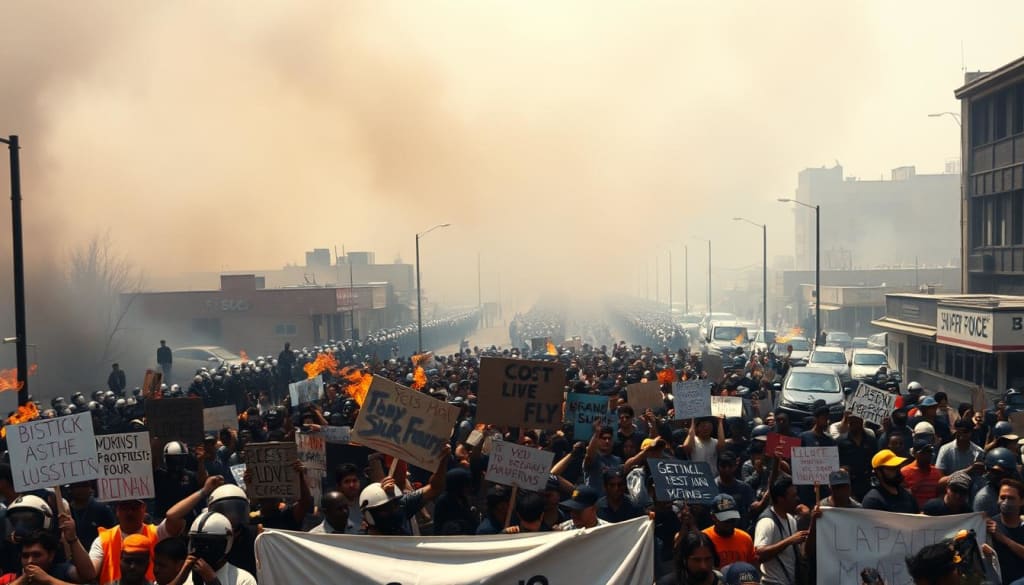
The 1992 unrest in Los Angeles was a pivotal moment in American history, highlighting deep-seated issues of racial tension, police brutality, and social injustice.
The aftermath of the Rodney King beating verdict sparked widespread protests, which eventually escalated into violent clashes between demonstrators and law enforcement. This complex phenomenon was fueled by socioeconomic disparities and a sense of injustice among the community.
The significance of this event lies in its ability to shed light on the underlying causes of social unrest and the need for meaningful reform.
Key Takeaways
The 1992 unrest was a turning point in the national conversation about racial tension and police brutality.
Socioeconomic disparities played a significant role in fueling the protests.
The event highlighted the need for meaningful reform and social justice.
The aftermath of the Rodney King verdict was a catalyst for widespread protests.
The complex causes of the unrest underscore the importance of addressing systemic issues.
Background and Triggers of the LA Riots
The background of the LA riots involves a combination of the Rodney King beating and the socioeconomic tensions prevalent in early 1990s Los Angeles. This section will explore these factors in detail to understand their role in the unfolding crisis.
The Rodney King Beating and Controversial Verdict
The Rodney King beating was a brutal incident on March 3, 1991, where Rodney King, a black motorist, was severely beaten by Los Angeles Police Department (LAPD) officers during an arrest. The incident was videotaped, and the footage shocked the nation due to its graphic nature. The acquittal of the four LAPD officers involved on April 29, 1992, sparked widespread outrage and was a significant trigger for the riots.
The videotaped evidence of the beating was a crucial factor in the public's reaction to the acquittal. It highlighted issues of police brutality and racial bias within the LAPD.
Socioeconomic Tensions in Early 1990s Los Angeles
Los Angeles in the early 1990s was characterized by significant socioeconomic tensions, including racial inequality, poverty, and lack of access to opportunities. These underlying issues contributed to the frustration and anger felt by many in the African American and Latino communities.
The socioeconomic conditions can be illustrated by the following data:
Ethnic GroupUnemployment Rate (%)Median Household Income ($)African American15.623,400Latino12.126,300White6.243,800
The disparities in unemployment and income levels were significant factors in the tensions leading up to the riots.
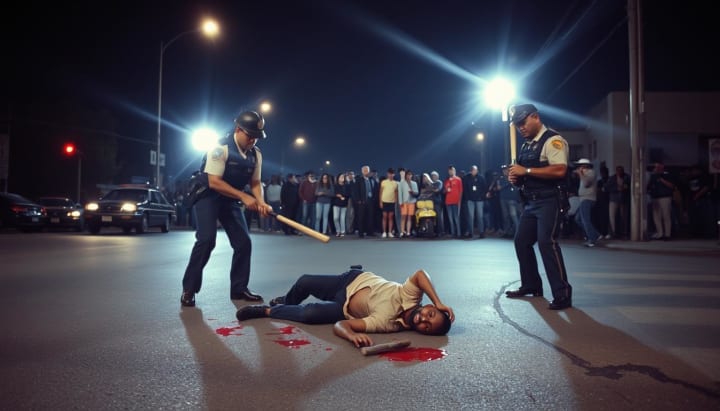
Los Angeles Riots: Martial Law and the Unfolding Crisis
Los Angeles descended into chaos as the protests escalated over several days.
The city was plunged into a state of crisis as the protests, sparked by the Rodney King verdict, quickly turned violent. Rioting and looting became widespread, with many areas of Los Angeles affected.
Six Days of Chaos: How the Protests Escalated
The protests began on April 29, 1992, and escalated into six days of chaos. The situation on the ground was dire, with reports of widespread violence and property damage. As the days passed, the city struggled to regain control.
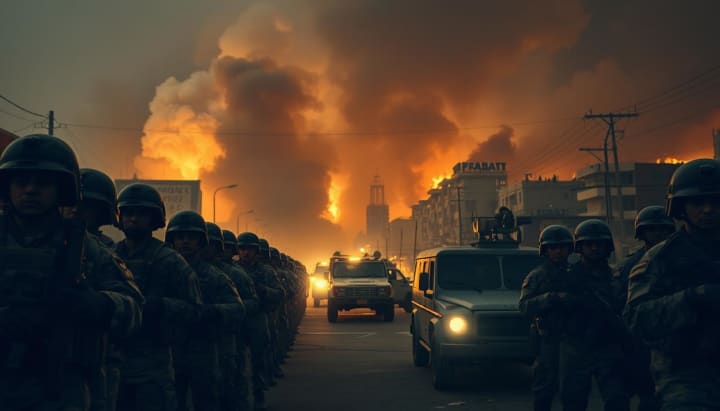
The National Guard was deployed to assist in maintaining order. According to historical accounts, "The Guard was instrumental in quelling the violence, but not before the city had suffered significant damage.
National Guard Deployment and Police Response
The deployment of the National Guard marked a significant escalation in the response to the riots. The police, supported by the Guard, worked to restore order, but the task was daunting. The police response was multifaceted, involving both tactical operations and community outreach efforts.
As noted by a local official, "The police response was critical in containing the violence, but it was also a challenging period for law enforcement." The use of martial law was considered, highlighting the severity of the situation.
Communities Caught in the Crossfire
The riots had a devastating impact on local communities. Many innocent bystanders were caught in the crossfire, and businesses were destroyed.
"The riots left deep scars on the community, affecting not just the physical landscape but also the social fabric."
The impact was felt across various demographics, with some communities suffering more than others. The aftermath saw efforts to rebuild and restore these communities.
Long-Term Impact and Transformation
The 1992 LA riots left an indelible mark on Los Angeles, sparking a journey of rebuilding and transformation. The city's response to the crisis was multifaceted, addressing both the immediate needs and the long-term challenges.
Physical and Economic Rebuilding Efforts
In the aftermath of the riots, Los Angeles undertook significant physical and economic rebuilding efforts. The city invested in revitalizing damaged areas, with a focus on stimulating economic growth and improving community facilities. As Mayor Tom Bradley aptly put it, "We must rebuild our city, not just physically, but also economically and socially."
The rebuilding process involved collaboration between local government, businesses, and community organizations. Initiatives included the development of new housing, commercial spaces, and community facilities. For instance, the LA riots rebuilding efforts led to the creation of the Koreatown neighborhood revitalization project, which aimed to restore and enhance the local economy.
Police Reform Initiatives Following the Riots
The 1992 LA riots highlighted the need for police reform in Los Angeles. In response, the city implemented several initiatives aimed at improving police-community relations and enhancing accountability. The establishment of the Los Angeles Police Commission was a significant step towards increasing oversight and transparency within the police department.
"The riots were a wake-up call for the LAPD, highlighting the need for reform and community engagement." -
Chief Willie L. Williams
Reform efforts included training programs for police officers, community outreach initiatives, and the implementation of new policies to address racial profiling and excessive force. These changes aimed to rebuild trust between law enforcement and the communities they served.
Cultural and Social Legacy in Los Angeles
The 1992 LA riots have had a lasting cultural and social impact on Los Angeles. The event galvanized community activism and led to the emergence of new social movements. The riots also inspired a wave of cultural production, including music, art, and literature that reflected the experiences and perspectives of those affected.
The cultural legacy of the riots continues to shape the identity of Los Angeles, serving as a reminder of the city's complex history and its ongoing struggles. As the city continues to evolve, the lessons learned from the 1992 LA riots remain relevant, informing discussions around social justice, community empowerment, and urban development.
Conclusion: Enduring Lessons from the 1992 LA Riots
The 1992 LA riots remain a pivotal moment in American history, offering enduring lessons on the consequences of social injustice and the importance of community empowerment. The protests that erupted in Los Angeles following the Rodney King verdict highlighted deep-seated socioeconomic tensions and the need for police reform.
Understanding the complex historical context of the 1992 LA riots is crucial for grasping their ongoing impact on Los Angeles and beyond. The riots led to significant changes in policing practices, with initiatives aimed at improving community-police relations and addressing systemic racism.
Today, the legacy of the 1992 LA riots continues to resonate in discussions about social justice and police brutality. As Los Angeles and other cities navigate these issues, the lessons learned from the protests and their aftermath remain highly relevant, emphasizing the need for continued community engagement and reform efforts.
FAQ
What were the 1992 LA riots?
The 1992 LA riots were a series of violent protests and lootings that took place in Los Angeles in response to the Rodney King beating and the subsequent controversial verdict.
What triggered the 1992 LA riots?
The 1992 LA riots were triggered by the acquittal of four Los Angeles Police Department (LAPD) officers who were videotaped beating Rodney King, a motorist they had stopped.
What were the socioeconomic tensions in early 1990s Los Angeles?
The socioeconomic tensions in early 1990s Los Angeles included issues of racial inequality, poverty, and lack of access to opportunities, particularly in communities of color.
How did the protests escalate into chaos?
The protests escalated into chaos as the situation unfolded, with the deployment of the National Guard and the police response to the protests, leading to clashes between protesters and law enforcement.
What was the impact of the riots on the community?
The riots had a significant impact on the community, with many businesses destroyed, homes damaged, and lives lost, highlighting the need for police reform and community empowerment.
What were the long-term effects of the 1992 LA riots?
The long-term effects of the 1992 LA riots included physical and economic rebuilding efforts, police reform initiatives, and a lasting cultural and social legacy in Los Angeles.
What lessons can be learned from the 1992 LA riots?
The 1992 LA riots offer important lessons about the need for social justice, police accountability, and community engagement, highlighting the importance of addressing systemic inequality and promoting positive change.
About the Creator
Tech Horizons
Exploring the future of technology, AI, gadgets, and innovations shaping tomorrow. Stay updated with Tech Horizons!
Keep reading
More stories from Tech Horizons and writers in Criminal and other communities.
The Locked Room in Apartment 304
In the winter of 2022, a quiet residential building on the outskirts of a small Midwestern town became the center of one of the most disturbing criminal investigations the community had ever witnessed, a case that began with what seemed like an ordinary welfare check and quickly evolved into a mystery filled with fear, unanswered questions, and details that investigators still struggle to explain. The building itself was nothing remarkable, a four-story complex built in the late 1980s with narrow hallways, aging carpets, and the faint smell of cleaning chemicals that seemed permanently embedded in the walls, but what happened in apartment 304 would transform that otherwise forgettable structure into a place that residents refused to talk about even years later.
By The Curious Writer2 days ago in Criminal
Schools, Hospital, and UNESCO Sites Damaged in US-Israel Strikes
Satellite images and verified videos show that since the start of U.S. and Israeli attacks on Iran on Saturday, schools, a hospital, and historical monuments have suffered severe damage, while reports indicate that the number of civilian casualties continues to rise.
By Real content6 days ago in Criminal
Thief In The Night
To the thief in the night that took and replicated what once was mine: Honestly, I feel kind of bad for you. It’s funny, because we hardly know each other. I only know of you through the magazines you’ve written and the broadcasts you have televised in the past — as well as through the public mentions of you from your show business connections there.
By Snarky Lisa8 days ago in Humans



Comments
There are no comments for this story
Be the first to respond and start the conversation.