
The 1982 Tylenol Murders: Poison in the Medicine Cabinet
Seven Dead, a Nation Changed: The 1982 Tylenol Poisonings and the Birth of Modern Product Safety


A City and Sudden Panic
In the fall of 1982, Chicago was just another American city trying to keep its head above water. The Cubs were losing, the air was getting cold, and folks were settling into their routines. Then, in the space of a few days, everything changed. Seven people died after taking Tylenol, a household name, a bottle you’d find in every medicine cabinet from the Gold Coast to the South Side. The city’s trust in the ordinary was shattered, and a new kind of fear crept in — one that didn’t care about your zip code.
The First Victim: A Morning That Never Ended
It started on September 29, 1982. Mary Kellerman, just 12 years old, woke up with a sore throat. Her parents did what any parents would do — they gave her a Tylenol. By 7 a.m., Mary was dead. The Kellermans’ world collapsed, but no one saw the bigger picture yet. Not until Adam Janus, a 27-year-old postal worker, died the same day after taking Tylenol for chest pain. His brother and sister-in-law, Stanley and Theresa Janus, came to mourn. They took Tylenol from the same bottle. Both collapsed. Both died.
The pattern was impossible to ignore. Over the next two days, three more people — Mary Reiner, Paula Prince, and Mary McFarland — died the same way. All had taken Tylenol. All were gone within hours.
The Victims: Ordinary Lives, Extraordinary Loss
The victims weren’t celebrities or politicians. They were regular people, the kind you’d pass in the grocery store or see at church. Mary Kellerman was a seventh grader who loved horses. Adam Janus was a new father, working hard to support his family. Stanley and Theresa Janus were newlyweds, just starting out. Mary Reiner had just given birth to her fourth child. Paula Prince was a flight attendant, used to the chaos of airports but not the randomness of evil. Mary McFarland worked at a call center, juggling work and family like so many others.
Their deaths were sudden, violent, and senseless. One minute, they were reaching for relief. The next, they were gone.
The Crime: Cyanide in a Capsule
The killer’s method was simple and devastating. Someone had taken Tylenol capsules off store shelves, opened them, filled them with potassium cyanide, and put them back. Cyanide works fast. It shuts down the body’s ability to use oxygen. Victims collapse, seize, and die within minutes. There’s no antidote, no second chance.
The randomness of the act made it all the more terrifying. There was no pattern to the stores targeted, no connection between the victims. Anyone could be next. The city’s pharmacies pulled Tylenol from their shelves. Police cruisers rolled through neighborhoods, bullhorns blaring warnings. People dumped their medicine cabinets into the trash. The trust was gone.
The Investigation: A Race Against Time
The investigation was a scramble. The Cook County Medical Examiner’s office, led by Dr. Edmund Donoghue, was the first to connect the dots. He noticed the smell of almonds — a telltale sign of cyanide — during the autopsies. Lab tests confirmed it. The police, the FBI, and the FDA all jumped in. They traced the poisoned bottles to stores in the Chicago area: Jewel, Walgreens, Osco. But the trail went cold fast.
There were no fingerprints, no surveillance cameras worth a damn in 1982, and no witnesses. The killer hadn’t targeted anyone. He’d targeted everyone. The randomness was the point.
Johnson & Johnson, Tylenol’s parent company, moved quickly. They pulled 31 million bottles off the shelves nationwide, costing them over $100 million. They set up hotlines, offered rewards, and advised the public to avoid Tylenol. It was a masterclass in crisis management, but it didn’t bring the killer any closer to justice.
The Suspects: Shadows and Dead Ends
The investigation turned up plenty of suspects, but no one stood out. But then, James W. Lewis, a man with a history of fraud and mental illness, sent a letter to Johnson & Johnson demanding $1 million to “stop the killing.” He was arrested, convicted of extortion, and served 13 years. But the evidence tying him to the actual poisonings was thin. He was a con man, not a chemist.
Other suspects came and went. A disgruntled employee. A copycat. A random madman. The FBI chased leads for years, but the case never broke open. The bottles had been tampered with after they left the factory, so that the killer could have been anyone with a car and a grudge.
The Aftermath: A Changed World
The Tylenol murders changed the way America thought about product safety. Before 1982, you could open a bottle of pills with a twist. After that, you needed a knife, a pair of scissors, and a little patience. Tamper-evident packaging became the law. The FDA got new powers. Companies started putting safety seals on everything from aspirin to apple juice.
Johnson & Johnson’s response became a textbook case in how to handle a crisis. They put people before profits, pulled their product, and rebuilt trust. Tylenol bounced back, but the scars remained.
The murders also sparked a wave of copycat crimes. Over the next few years, dozens of people tried to poison products for attention, revenge, or profit. Most were caught. None matched the scale or terror of the original.
The Victims’ Families: Grief and Questions
For the families, the pain never faded. They buried their loved ones, answered reporters’ questions, and waited for answers that never came. Some found solace in advocacy, pushing for tougher laws and better safety standards. Others just tried to move on.
The Janus family lost three members in a single day. Mary Reiner’s newborn grew up without a mother. Mary Kellerman’s parents never got over the loss of their only child. The randomness of the crime made it harder to accept. There was no reason, no sense to be made.
The Case Today: Still Unsolved
Over forty years later, the Tylenol murders remain unsolved. The FBI keeps the case open, but the trail is cold. Advances in DNA and forensics haven’t turned up new leads. The killer, if he’s still alive, has never been caught.
Some think it was a random act of terror, a one-off by a twisted mind. Others believe the killer wanted to hurt Johnson & Johnson or just wanted to watch the world burn. The truth is, we may never know.
Conclusion: Trust, Broken and Rebuilt
The Tylenol murders were a gut punch to the American psyche. They showed us how fragile our sense of safety is, how quickly the ordinary can turn deadly. The victims were just people, looking for relief. The killer was a ghost, slipping through the cracks.
We lock our doors, check our windows, and trust the things we buy to keep us safe. The Tylenol murders reminded us that trust is a fragile thing. It can be broken in a moment, and it takes years to rebuild.
In the end, the story isn’t just about poison in a bottle. It’s about the people left behind, the questions that never got answered, and the way a city came together in the face of fear. The Tylenol murders changed the rules, but they didn’t break us. It made us stronger and safer with innovations in product safety.
That’s the story from the back of the courtroom, the corner booth of the diner, and the stoop where the real stories live. Stay sharp, stay curious, and remember — Every Crime Has A Story. My Mission, Tell It.
If you enjoy my writing, would you consider a $1.00 tip using the Vocal Media tipping link? Thank you!
About the Creator
MJonCrime
My 30-year law enforcement career fuels my interest in true crime writing. My writing extends my investigative mindset, offers comprehensive case overviews, and invites you, my readers, to engage in pursuing truth and resolution.
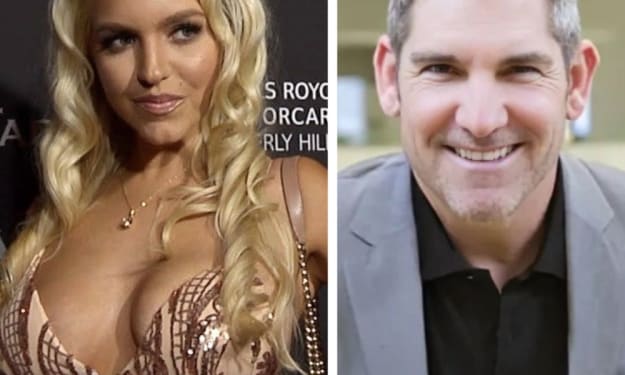
Former Miss Universe Canada Delegate Files $500 Million Defamation Lawsuit Against Grant Cardone and Cardone Capital in Miami
MIAMI, FL — Chealse Sophia Howell, an internationally recognized model, entrepreneur, and former Miss Universe Canada titleholder, has filed a civil lawsuit against Grant Cardone and Cardone Capital, LLC in the Eleventh Judicial Circuit Court, Miami-Dade County (Case No. 25-024299-CA-01). The complaint, officially filed on December 11, 2025, alleges defamation and tortious interference, claiming that the defendants engaged in a coordinated campaign of false statements across multiple digital platforms.
By Dena Falken Esqa day ago in Criminal
Center Stage with Paul Stewart
*** I'm keen to republish the interviews I did for my series with Vocal creators. It's been a few years and I thought it might be nice to revisit these wonderful conversations. I'll be releasing them one at a time for a few weeks/months.
By Heather Hubler3 days ago in Interview



Comments (2)
Your right. Thanks for the comment.
I remember this story. I thought the stories they told us about Halloween candy were scary when I was a kid, but... 💊