
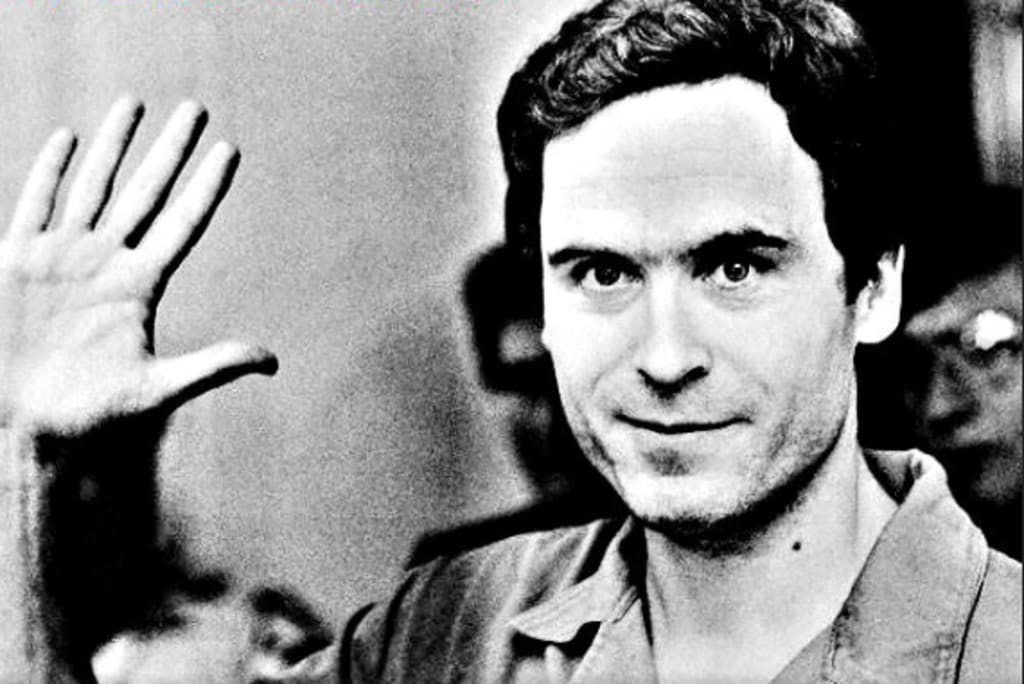
Ted Bundy: The Charming Monster
Introduction:
Ted Bundy, one of the most infamous serial killers in American history, captivated the nation during the 1970s with his charm and intelligence. This article delves into the life, crimes, and psychological profile of Ted Bundy, exploring the factors that shaped him into a remorseless killer. From his early life to his capture and eventual execution, the enigma of Bundy continues to fascinate and horrify people to this day.
Early Life and Background:
Born on November 24, 1946, in Burlington, Vermont, Theodore Robert Bundy grew up in a seemingly normal middle-class family. His childhood appeared unremarkable, devoid of any early warning signs of the darkness that would consume him later in life. However, some experts believe that Bundy's troubled childhood, characterized by feelings of abandonment and confusion surrounding his true parentage, played a role in shaping his twisted psyche.
The Transformation Begins:
Bundy's transformation into a cold-blooded killer began to manifest during his college years. Despite his intelligence and charming demeanor, he harbored deep-seated psychological issues, which ultimately led him down a path of depravity. His first known attack occurred in 1974 when he assaulted and injured a young woman at the University of Washington. This incident marked the beginning of a reign of terror that would span several states and claim the lives of numerous innocent victims.
The Method of Operation:
Bundy's modus operandi was both calculated and disturbing. He would approach his victims under the guise of needing assistance, often pretending to be injured or using other ruses to gain their trust. Once he had their confidence, he would overpower them, frequently employing handcuffs or other restraints, before abducting them to secluded locations where he would rape, torture, and ultimately murder them.
The Elusive Killer:
Bundy's ability to evade capture for an extended period was due in part to his chameleon-like nature. He would change his appearance, drive stolen vehicles, and frequently travel long distances in search of new victims. His charisma and intelligence also enabled him to manipulate those around him, further obscuring his true nature and allowing him to blend into society.
Capture, Trials, and Execution:
In 1978, Bundy's luck finally ran out when he was arrested in Pensacola, Florida, for driving a stolen vehicle. As the evidence mounted against him, Bundy faced trials for multiple murders across several states. Despite representing himself in court, he was found guilty and sentenced to death. Throughout the legal proceedings, he maintained his innocence, engaging in psychological games with the prosecution and the public. However, shortly before his execution on January 24, 1989, Bundy confessed to additional murders, providing closure to some of his unidentified victims.
Legacy and Infamy:
The dark legacy of Ted Bundy continues to haunt popular culture. Books, documentaries, and films have explored his life and crimes, generating a morbid fascination among the public. Bundy's case serves as a chilling reminder that evil can manifest in the most seemingly charming and ordinary individuals. The study of Bundy's psychological makeup has contributed to our understanding of the complex factors that can shape a person into a serial killer, highlighting the importance of early intervention and mental health awareness.
Conclusion:
Ted Bundy's story remains a chilling testament to the depths of human depravity. His ability to charm and deceive allowed him to carry out heinous acts of violence, leaving a trail of devastation in his wake. The legacy of this charming monster serves as a reminder of the dangers that lurk beneath a seemingly pleasant exterior, urging us to remain vigilant and compassionate in our pursuit of justice and the prevention of such atrocities in the future.
About the Creator
Keep reading
More stories from Ahmed Akram and writers in Criminal and other communities.
JOHN DILLIGER
John Dillinger: The Daring Outlaw of the Public Enemy Era Prepare to step back in time to the thrilling era of gangsters and outlaws as we unravel the gripping story of John Dillinger. Born on June 22, 1903, in Indianapolis, Indiana, Dillinger would become a notorious figure during the tumultuous Public Enemy era of the 1930s. Join us as we delve into the life and exploits of this audacious outlaw, capturing the essence of his daring escapades that captivated the nation.
By Ahmed Akram3 years ago in Criminal
The Second Crime Scene: The 8 Bodies Found in the Ephrata Storage Locker
DOSSIER ENTRY: THE SECOND CRIME SCENE TARGET LOCATION: EPHRATA SELF STORAGE (FACILITY NAME REDACTED) SEARCH DATE: WEDNESDAY, JANUARY 7, 2026 EVIDENCE RECOVERED: 8 INTACT HUMAN CORPSES / SKELETAL REMAINS THEORY: "FINISHED GOODS WAREHOUSE" STATUS: VERIFIED (AFFIDAVIT OF PROBABLE CAUSE)
By Sunshine Firecracker4 days ago in Criminal
The Facebook Marketplace of Horrors: Inside the groups where bones are traded like baseball cards.
It Wasn't the Dark Web When we hear about the illegal sale of human body parts, we imagine the "Dark Web"—encrypted Tor browsers, Bitcoin wallets, and shadowy Russian servers. The terrifying reality of the Jonathan Gerlach case is that he wasn't hiding in the digital shadows. He was hiding in plain sight.
By Sunshine Firecracker3 days ago in Criminal
How to Succeed at the Benson Directory®
Congratulations and welcome to the Benson Directory® employee #22391! As our newest call handler, you will have the privilege of speaking with dozens of unique and interesting people on a daily basis as well as the opportunity to earn bonuses for high performance. Contained within this handbook you will find a set of ease to follow instructions designed to help you settle in to your new role and begin paving the way to success.
By S. A. Crawforda day ago in Fiction



Comments (1)
nice story