

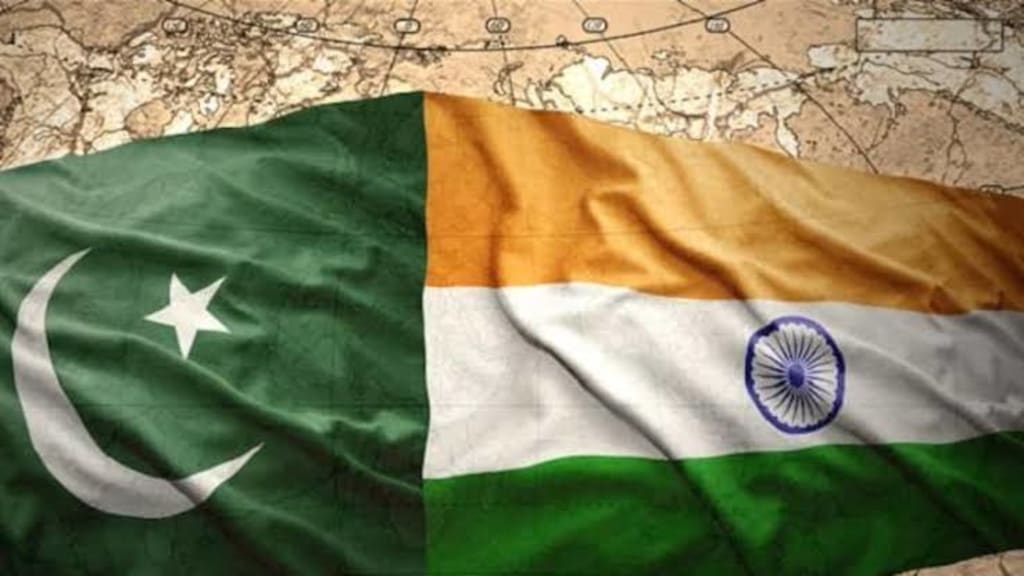
The relationship between Pakistan and India has been complex and marked by periods of both cooperation and intense conflict since their independence in 1947. The history includes several wars, numerous border skirmishes, and prolonged periods of tension. Understanding this dynamic requires looking at the key issues that have fueled this enduring rivalry.
Historical Roots of Conflict:
* Partition of 1947: The division of British India into independent India and Pakistan based on religious lines led to widespread violence, displacement, and the unresolved issue of Kashmir. This traumatic event laid the foundation for future conflict.
* The Kashmir Dispute: The status of the former princely state of Jammu and Kashmir remains the primary bone of contention. Both countries claim the region in full but administer it in parts. This dispute has been the direct cause of multiple wars and continues to be a major source of tension.
Major Wars and Conflicts:
* Indo-Pakistani War of 1947: The first war fought over Kashmir shortly after independence.
* Indo-Pakistani War of 1965: Another conflict largely centered on Kashmir, resulting in a stalemate.
* Indo-Pakistani War of 1971: This war led to the independence of Bangladesh (formerly East Pakistan). India's decisive victory significantly altered the geopolitical landscape of the subcontinent.
* Kargil War of 1999: An undeclared war fought in the Kargil region of Kashmir, initiated by Pakistani incursions across the Line of Control (LoC).
Ongoing Issues and Sources of Tension:
* Cross-Border Terrorism: India has consistently accused Pakistan of supporting and harboring terrorist groups that carry out attacks within its territory. Pakistan denies these allegations.
* Border Disputes: Beyond Kashmir, there are other border areas where disagreements and occasional skirmishes occur. The Line of Control (LoC) in Kashmir remains heavily militarized and prone to ceasefire violations.
* Nuclear Capabilities: Both India and Pakistan possess nuclear weapons, adding a dangerous dimension to their rivalry. The possibility of escalation raises serious concerns for regional and global security.
* Water Sharing: Disputes over the sharing of river waters originating in India and flowing into Pakistan have also been a source of friction, although mechanisms like the Indus Waters Treaty exist to manage these issues.
Periods of Détente and Cooperation:
Despite the conflicts, there have been attempts at dialogue and cooperation between the two nations. These initiatives have often been fragile and short-lived, frequently derailed by specific events or political shifts. Areas of potential cooperation include trade, cultural exchange, and people-to-people contact.
The Current Situation:
As of today, May 9, 2025, the relationship between Pakistan and India remains complex and delicate. While there is no active large-scale war, tensions persist, particularly along the Line of Control. Diplomatic channels exist but are often strained. The international community continues to monitor the situation closely, urging both sides to engage in peaceful dialogue and resolve their differences.
Conclusion:
The history of conflict between Pakistan and India is deeply rooted in the events surrounding their independence and the unresolved issue of Kashmir. While periods of peace and attempts at cooperation have occurred, the underlying tensions and the potential for conflict remain. The presence of nuclear weapons on both sides underscores the critical need for peaceful resolution and sustained dialogue to ensure stability in the region. Any future war between these two nations would have devastating consequences for the region and beyond, making de-escalation and peaceful diplomacy the only viable path forward.
About the Creator
M M Tasib
Life is an untold story.
A Mother's Love Lost
It was December 30th, 1988, just two days before the New Year. Jack Dale Walker had convinced a coworker to drive him out to the trailer where his girlfriend lived. Hansel Norton, the co-worker, had known Jack for barely three full weeks. Hansel was trying to be a good friend to this new friend. So, Jack, was young, only 22 years old and appeared to be love sick for the girl who was the mother of his baby.
By Cassie Moorea day ago in Criminal



Comments
There are no comments for this story
Be the first to respond and start the conversation.