
Ragging: A Social Menace That Needs to End
Ragging: From Harmless Fun to a Harrowing Social Evil

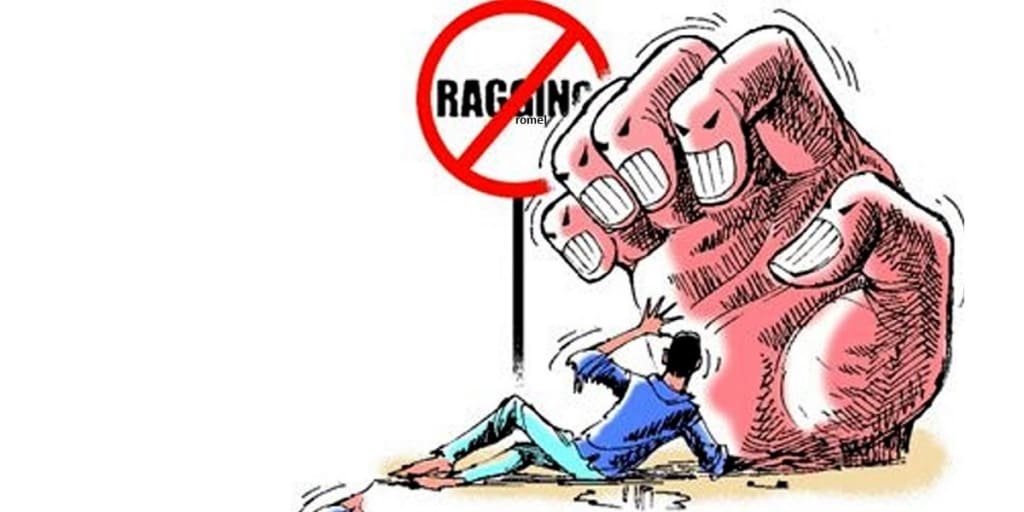
Ragging, a term often associated with initiation rituals in educational institutions, has been a contentious and disturbing issue for decades. While some view it as harmless fun or a way to foster camaraderie among students, the reality is that ragging often spirals into a harmful and dehumanizing practice. It has caused untold suffering to countless victims, leaving scars—both physical and emotional—that can last a lifetime. Understanding the dynamics, consequences, and solutions to ragging is essential to combat this menace.
What is Ragging?
Ragging refers to any act of mental or physical abuse imposed by senior students on their juniors under the guise of welcoming or "breaking the ice." It often begins as light-hearted tasks or jokes but can quickly escalate into harassment, humiliation, or even physical assault. Activities like forcing juniors to perform embarrassing acts, abusing them verbally, or subjecting them to physical harm fall under the definition of ragging.
Though prevalent in colleges and universities, ragging is not limited to these spaces. It can occur in hostels, workplaces, and other environments where there is a hierarchical structure.
Reasons Behind Ragging
The roots of ragging lie in power dynamics. Senior students often feel a sense of superiority and authority over their juniors and misuse this position. Many seniors justify ragging as a tradition or a rite of passage, claiming it helps juniors integrate into the institution. However, this rationale is flawed and ignores the trauma caused to the victims.
Psychological factors like sadism or suppressed insecurities can also drive individuals to participate in ragging. Additionally, the lack of strict enforcement of anti-ragging laws and the failure of institutions to create a safe environment further perpetuate the practice.
The Consequences of Ragging
The impact of ragging can be devastating. Victims often experience severe emotional and psychological distress, leading to anxiety, depression, and a loss of self-esteem. In extreme cases, victims have resorted to self-harm or even suicide. The sense of alienation and fear instilled through ragging can have long-lasting effects on a person's mental health.
The perpetrators of ragging are not immune to its consequences either. When caught, they face disciplinary action, including suspension or expulsion from the institution, tarnishing their academic and professional prospects. Additionally, ragging damages the reputation of educational institutions, leading to a loss of trust among students and parents.
Legal and Social Measures Against Ragging
Recognizing the grave consequences of ragging, many countries have enacted laws to prevent it. In India, for instance, the Supreme Court has banned ragging, and strict measures have been implemented under the Raghavan Committee Recommendations. Institutions are required to have anti-ragging committees and ensure a zero-tolerance policy.
Awareness campaigns can play a pivotal role in curbing ragging. Educational institutions must educate students about the harmful effects of ragging and promote respect and empathy. Creating a supportive environment, where seniors and juniors interact positively, can eliminate the perceived need for such rituals.
At the End
Ragging is not a harmless tradition but a social evil that undermines the very purpose of education—fostering growth, learning, and mutual respect. It is essential for all stakeholders, including students, educators, and policymakers, to work together to eradicate ragging. By fostering a culture of inclusivity and compassion, we can ensure that educational institutions are safe spaces where every student can thrive without fear or intimidation. Ending ragging is not just a legal necessity but a moral imperative.
About the Creator
Md Mostafizur Rahman
I am a simple writer who loves sharing thoughts and stories through honest, relatable words. With a passion for connection, they believe in the power of simplicity to inspire and touch hearts.
Keep reading
More stories from Md Mostafizur Rahman and writers in Criminal and other communities.
The Violence of a Man: Unraveling a Complex Phenomenon
Violence is one of the oldest and most challenging issues humanity has grappled with. It manifests in myriad ways, from personal confrontations to organized conflict, leaving a lasting impact on individuals, families, and societies. When discussing "the violence of a man," it is essential to understand that this phenomenon does not exist in a vacuum. It stems from a blend of biological, psychological, social, and cultural factors that shape individual behaviors and responses. Exploring these layers provides a nuanced understanding of why violence occurs, its effects, and potential solutions.
By Md Mostafizur Rahmanabout a year ago in Humans
"Magpie" Magness
“The Magnesses Don’t Divorce,” that’s what Michael Magness told his friends when asked about why he hadn’t divorced his wife, Beth, after complaining about the marriage. Michael had been firm about this “no divorce” issue. It could be assumed he was thinking about the children.
By Cassie Moore4 days ago in Criminal




Comments (1)
In the US we call it hazing, it was interesting to learn the word used in India. Its really not an ok practice and I am glad to see many countries trying to lessen the practice.