
Oregon: The Oak Grove Jane Doe
Most disturbing crime of every state in U.S.A.

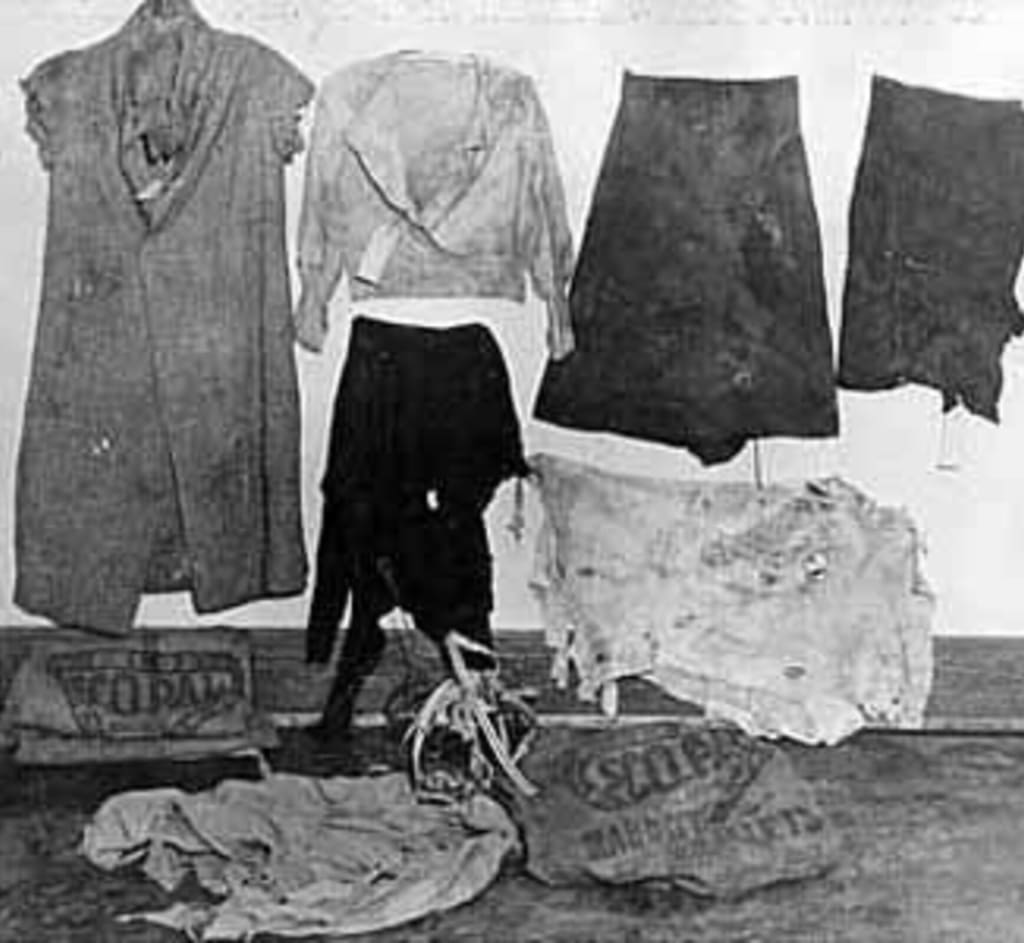
"Oak Grove Jane Doe is an unidentified murder victim found dismembered in the Willamette River south of Portland, Oregon near Oak Grove over a period of several months in 1946. The first discovery consisted of a woman's torso which was found wrapped in burlap, floating near the Wisdom Light moorage on April 12, 1946; this led the media to dub the case the Wisdom Light Murder
The arms and one thigh of the victim were discovered the following day, April 13, floating against the lock system of Willamette Falls in similar burlap packaging; both the hands and foot had been severed from the limbs and were missing. In July 1946, the second thigh was found in the Willamette near Oregon City, and additional women's clothing believed to be that of the victim was recovered from the Clackamas River around the same time."
In 1946, a disturbing mystery unfolded in Oregon that has captivated investigators and true crime enthusiasts for decades. Known as the Oak Grove Jane Doe case, the murder of an unidentified woman—later determined to be a middle-aged Caucasian—became one of the state’s most perplexing unsolved cases. The grim discovery of dismembered remains along the Willamette River near Oak Grove has left a legacy of unanswered questions and enduring sorrow.
The case began on April 12, 1946, when three men walking along the riverbank stumbled upon a large bundle wrapped in burlap. Initially, they found only a torso inside a container, which sent shockwaves through the local community. The following day, additional body parts, including arms and a thigh, were discovered floating near nearby waterfalls. Despite the extensive search efforts, several critical pieces of evidence—such as the victim’s hands and feet—were never found, leaving investigators with a haunting puzzle.
Early forensic analysis in 1946 identified the victim as a middle-aged woman, likely between 40 and 50 years old. Despite the available evidence, no immediate identification could be made, and she came to be known simply as the Oak Grove Jane Doe. The manner in which her body had been disposed of suggested a methodical and premeditated act. Investigators theorized that the perpetrator had dismembered the victim using a saw and then attempted to dispose of the remains in a manner that would hinder identification.
The case quickly garnered local media attention, and several theories emerged. Some speculated that the victim might have been involved in a personal dispute that escalated fatally, while others considered the possibility of a serial offender targeting vulnerable individuals. However, due to the limited forensic capabilities of the era and the remote nature of the crime scene, the case soon went cold.
For decades, the Oak Grove Jane Doe case remained unsolved. The unidentified victim became a ghost in local history, a tragic reminder of how even in a state known for its natural beauty, dark secrets can lurk beneath the surface. Over the years, law enforcement revisited the case intermittently, but without significant new evidence or leads, the mystery persisted.
Modern advancements in forensic science, particularly in DNA technology, have prompted renewed interest in cold cases across the country. However, in the case of the Oak Grove Jane Doe, crucial evidence was either lost or degraded over time, complicating any attempt at resolution. Despite this, the case continues to be a subject of study and debate among forensic experts and true crime historians alike.
The enduring mystery of the Oak Grove Jane Doe has had a profound impact on the local community. For many residents, the case symbolizes a broader narrative about the vulnerability of those who vanish without a trace. Public memorials and discussions have been held over the years in an effort to honor the victim’s memory and to keep the hope alive that one day, justice might be served.
Local authorities have maintained a commitment to periodically review the case as new forensic techniques emerge. While no definitive answers have been found, the Oak Grove Jane Doe remains an emblem of the unresolved tragedies that sometimes persist in our collective memory.
About the Creator
Keep reading
More stories from Sandun Nayanajith and writers in Criminal and other communities.
Oklahoma: Tulsa race massacre
The Tulsa race massacre, also known as the Tulsa race riot or the Black Wall Street massacre, was a two-day-long white supremacist terrorist massacre that took place between May 31 and June 1, 1921, when mobs of white residents, some of whom had been appointed as deputies and armed by city government officials, attacked black residents and destroyed homes and businesses of the Greenwood District in Tulsa, Oklahoma. The event is considered one of the worst incidents of racial violence in American history. The attackers burned and destroyed more than 35 square blocks of the neighborhood—at the time, one of the wealthiest black communities in the United States, colloquially known as "Black Wall Street."
By Sandun Nayanajithabout a year ago in Criminal
A Survivor’s Final Stand: How One Woman Helped Convict Her Killer
The story of judy Malinowski is one of devastating violence personal resilience and an extraordinary fight to ensure accountability after unimaginable suffering.Judy was a young woman from Columbus, Ohio whose life, like many others was shaped by circumstances that slowly placed her in harm’s way. She had survived cancer and, during her treatment and recovery, was prescribed powerful painkillers. Over time, she became dependent on them. When her medical insurance later expired, her access to proper care and legal medication disappeared. Without the support she needed to manage both her pain and her growing addiction, she eventually turned to heroin.
By Kure Garba7 days ago in Criminal
When the Shelter Closes
Across the street from my house, a man slept under a tree, his dog by his side. My first, naive thought: he must be traveling through. But he kept coming back, often sleeping there during the day. Then it hit me—that person might not have a home.
By Bride of Sound6 days ago in Humans




Comments (1)
Good artical