
Nurturing Tomorrow's Leaders:
The Importance of Juvenile Rehabilitation for a Brighter Future
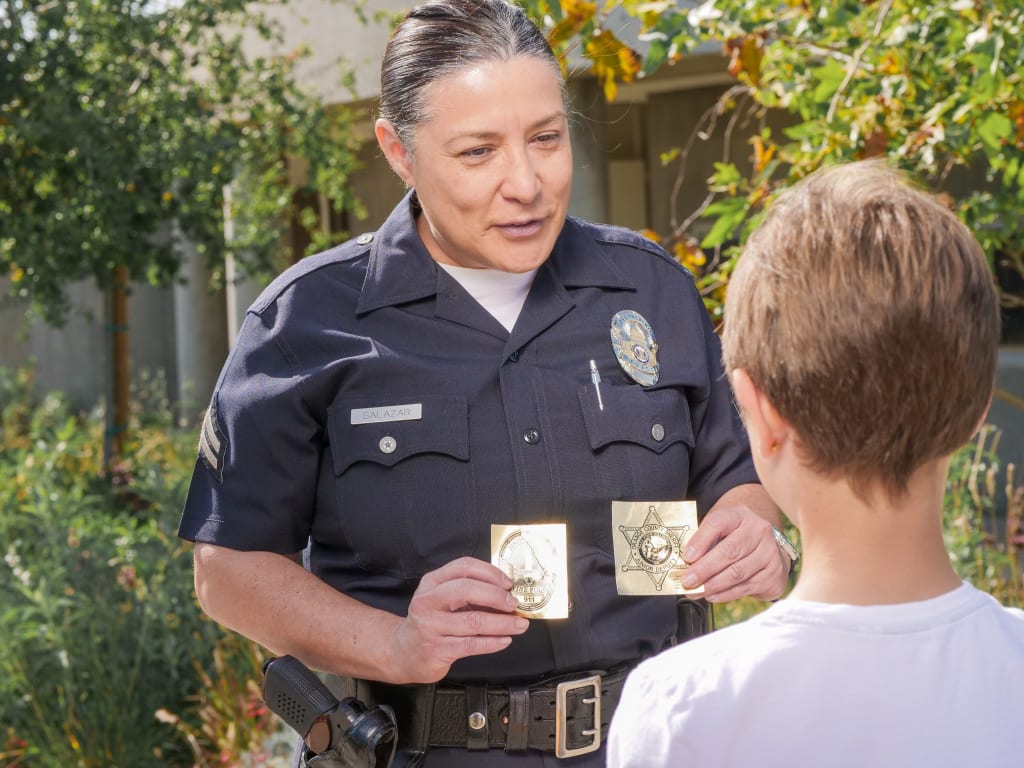
The foundation of a prosperous and just society rests upon the well-being and development of its youth. In this context, juvenile rehabilitation plays a pivotal role in shaping the future of a country. Recognizing that juveniles can change, grow, and contribute positively to society when provided with the right guidance and support is essential. By focusing on rehabilitation rather than punitive measures, societies can pave the way for a brighter and more promising future.
Understanding Juvenile Rehabilitation
Preventing the Cycle of Crime: Juvenile rehabilitation aims to address the underlying causes of delinquency and crime in young individuals. By identifying and addressing these root causes, such as family issues, peer pressure, trauma, or lack of educational opportunities, rehabilitation programs can interrupt the cycle of criminal behavior.
Promoting Accountability and Responsibility: Juvenile rehabilitation encourages young offenders to take responsibility for their actions, fostering a sense of accountability. This process allows them to understand the consequences of their behavior and make amends for their actions.
Holistic Development: Rehabilitation programs go beyond mere punishment, focusing on the holistic development of juveniles. Education, vocational training, counseling, and mental health support are integral components that equip them with the skills needed to lead productive lives.
Reducing Recidivism: Rather than perpetuating a cycle of incarceration, juvenile rehabilitation addresses the factors that contribute to recidivism. When young offenders receive the tools to reintegrate into society successfully, the likelihood of re-offending diminishes significantly.
The Benefits of Juvenile Rehabilitation
Humanizing Justice: Rehabilitation recognizes the inherent potential for growth and change in every individual, even those who have made mistakes. By offering opportunities for rehabilitation, societies demonstrate their commitment to fostering personal transformation and growth.
Education as a Key Pillar: Education is a powerful tool that empowers juveniles to envision a different future for themselves. Rehabilitation programs that provide access to education can help break down barriers to upward mobility and reduce the likelihood of criminal activity.
Community Reintegration: Juvenile rehabilitation prioritizes the reintegration of young offenders into their communities. This focus enables them to rebuild relationships, contribute positively, and become role models for others who might be at risk.
Long-term Cost Savings: While punitive measures can be costly in terms of both human lives and financial resources, rehabilitation programs are often more cost-effective. Successful rehabilitation reduces the burden on the criminal justice system, law enforcement, and social services.
Strengthening Social Fabric: A society that invests in the rehabilitation of its youth demonstrates compassion and commitment to the well-being of its citizens. This approach fosters social cohesion and empathy, which are crucial for the overall health of a nation.
Creating a Better Future
Tailored Interventions: Effective rehabilitation recognizes that each juvenile offender has unique needs and circumstances. Tailoring interventions to address these individual factors enhances the likelihood of successful rehabilitation.
Collaborative Efforts: Governments, communities, families, and non-profit organizations must collaborate to create a supportive ecosystem for juvenile rehabilitation. This multidimensional approach ensures that young individuals receive the comprehensive support they need.
Investment in Preventive Measures: While rehabilitation is crucial, investing in preventive measures such as after-school programs, mentorship initiatives, and access to quality education can help reduce the number of at-risk youth in the first place.
The future of any country hinges on the potential of its youth. Embracing juvenile rehabilitation as a cornerstone of the justice system demonstrates a commitment to nurturing potential, fostering growth, and building a stronger society. By focusing on rehabilitation rather than punishment, societies can break the cycle of criminal behavior, reduce recidivism, and empower young individuals to lead fulfilling lives. A nation that invests in its youth through rehabilitation invests in a brighter and more promising future for all.
About the Creator
Chris B.
I have been in law enforcement for over 21 years now and I want to help bridge the gap between police and great citizens of our country. We need to work together, not against one another. Love conquers all!
Ken Childs and the Shadow Network Behind Celebrity Surveillance
Hollywood is no stranger to intrigue. Behind the red carpets, blockbuster premieres, and glamorous headlines lies a parallel world where privacy is fragile and information can be extremely valuable. Over the years, celebrities have faced stalkers, hackers, and fraud schemes designed to exploit their wealth and visibility. Recently, reports circulating online have drawn attention to a controversial narrative involving private investigator Ken Childs and allegations that place him near the center of a disturbing story about celebrity surveillance.
By Shane Smith2 days ago in Criminal
Worth the Wait: Puerto Viejo, Costa Rica
Beach bumming in a small Caribbean beach town sounded like a perfect way to end our 6-month trip through Mexico and Central America. Or so we thought. The foul, fishy stench of rotten seaweed hit our nostrils as we stepped from the cramped bus and looked out at a rather depressing, empty, and underwhelming black sand beach. It was pouring with rain, and we had to quickly fish out our ponchos. We thought, this couldn’t be it, could it?
By Sh*t Happens - Lost Girl Travel5 days ago in Wander



Comments
There are no comments for this story
Be the first to respond and start the conversation.