
Juvenile Delinquency: A Growing Problem
A Complex Issue with No Easy Solutions

Child Juvenile
Juvenile delinquency is a complex issue with a variety of causes. Some of the most
common factors that contribute to juvenile delinquency include:
● Family problems: Children who grow up in families with high levels of conflict,
violence, or neglect are more likely to become involved in delinquency.
● Peer pressure: Children who are surrounded by peers who are involved in
delinquency are more likely to engage in delinquent behavior themselves.
● School problems: Children who have difficulty in school, such as those who are
failing or who have been suspended or expelled, are more likely to become
involved in delinquency.
● Community factors: Children who live in communities with high levels of poverty,
crime, and violence are more likely to become involved in delinquency.
Juvenile delinquency can have a number of negative consequences for children,
including:
● Increased risk of incarceration: Juveniles who are incarcerated are more likely to
reoffend as adults.
● Educational and employment problems: Juveniles who have been involved in
delinquency are more likely to drop out of school and have difficulty finding and
keeping jobs.
● Mental health problems: Juveniles who are involved in delinquency are more
likely to experience mental health problems, such as depression, anxiety, and
substance abuse.
There are a number of things that can be done to prevent juvenile delinquency,
including:
● Strengthening families: Providing families with support and resources can help to
prevent children from becoming involved in delinquency.
● Promoting positive peer relationships: Helping children to develop positive
relationships with their peers can help to protect them from the influence of
delinquent peers.
● Improving school performance: Helping children to succeed in school can help to
reduce their risk of delinquency.
● Creating safe and supportive communities: Investing in communities and
providing opportunities for youth can help to reduce the risk of delinquency.
When a child does become involved in delinquency, there are a number of different
interventions that can be used to help them. These interventions may include:
● Rehabilitation: Rehabilitation programs can help children to address the
underlying causes of their delinquency and learn new skills to help them succeed
in life.
● Community-based programs: Community-based programs can provide children
with support and opportunities to help them stay out of trouble.
● Treatment for mental health problems: If a child has mental health problems,
they may need treatment to help them manage their symptoms and reduce their
risk of reoffending.
Juvenile delinquency is a serious problem, but it is one that can be prevented and
addressed. By understanding the causes of juvenile delinquency and the interventions
that can be used to help children, we can help to create a brighter future for all children.
In India, the Juvenile Justice (Care and Protection of Children) Act 2015 defines a
juvenile as a person who has not completed 18 years of age. The Act also provides for
a number of different interventions for juveniles who have been involved in delinquency,
including rehabilitation, community-based programs, and treatment for mental health
problems.
The Juvenile Justice Act is an important piece of legislation that helps to protect the
rights of children and provide them with the support they need to succeed in life. By
understanding the Act and the interventions that it provides, we can all play a role in
preventing juvenile delinquency and helping children to reach their full potential.
What can be done to prevent juvenile delinquency?
There are a number of things that can be done to prevent juvenile delinquency,
including:
● Early intervention: Providing early intervention services to children who are at
risk of becoming delinquent can help to prevent them from engaging in criminal
activity. These services can include family counseling, mentoring, and after-school programs.
Effective treatment and rehabilitation programs: Juvenile offenders who have
already been involved in criminal activity need access to effective treatment and
rehabilitation programs. These programs can help them to address the
underlying causes of their behavior and learn how to make better choices.
● Community-based programs: Community-based programs that provide positive
opportunities for youth can help to prevent juvenile delinquency. These programs
can include sports leagues, arts programs, and youth employment programs.
● Public awareness campaigns: Public awareness campaigns can help to change
the way people think about juvenile delinquency. These campaigns can
emphasize the importance of early intervention and treatment
About the Creator
Keep reading
More stories from Mustaq Patel and writers in Criminal and other communities.
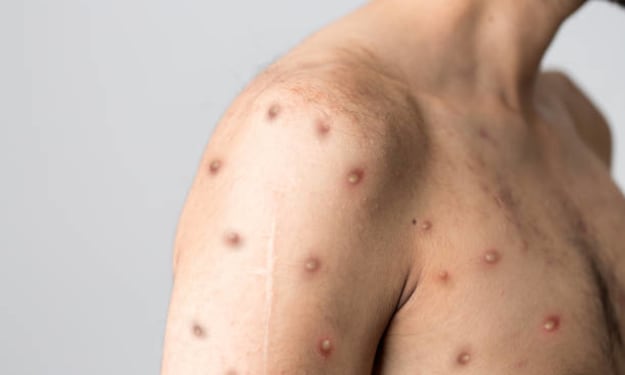
Monkeypox: The Newest Viral Outbreak That's Got Everyone Talking
Monkeypox: The Newest Viral Outbreak That's Got Everyone Talking Monkeypox is a rare but serious viral illness that's been making headlines lately. The virus has been reported in multiple countries around the world, and there's some concern that it could spread further.
By Mustaq Patel3 years ago in Education
Push To Prevent Catapults Being Bought By Children
MP’s have been warned to put new legislation in place that will help to close a loophole in the law which allows people including children to legally buy weapons which is capable of killing wildlife. The alert was issued during a briefing in parliament which set out growing evidence that catapults were being misused against animals and to damage other people’s private property. The Naturewatch Foundation who hosted the session expanded on their message that at the moment there is a completely unregulated system where people of any age can buy weapons and there are no meaningful controls on sale or power.
By Ashish Prabhu4 days ago in Criminal


Comments
There are no comments for this story
Be the first to respond and start the conversation.