
Jack the Ripper: Unmasking the Suspects
Exploring the Suspects In This Infamous Case

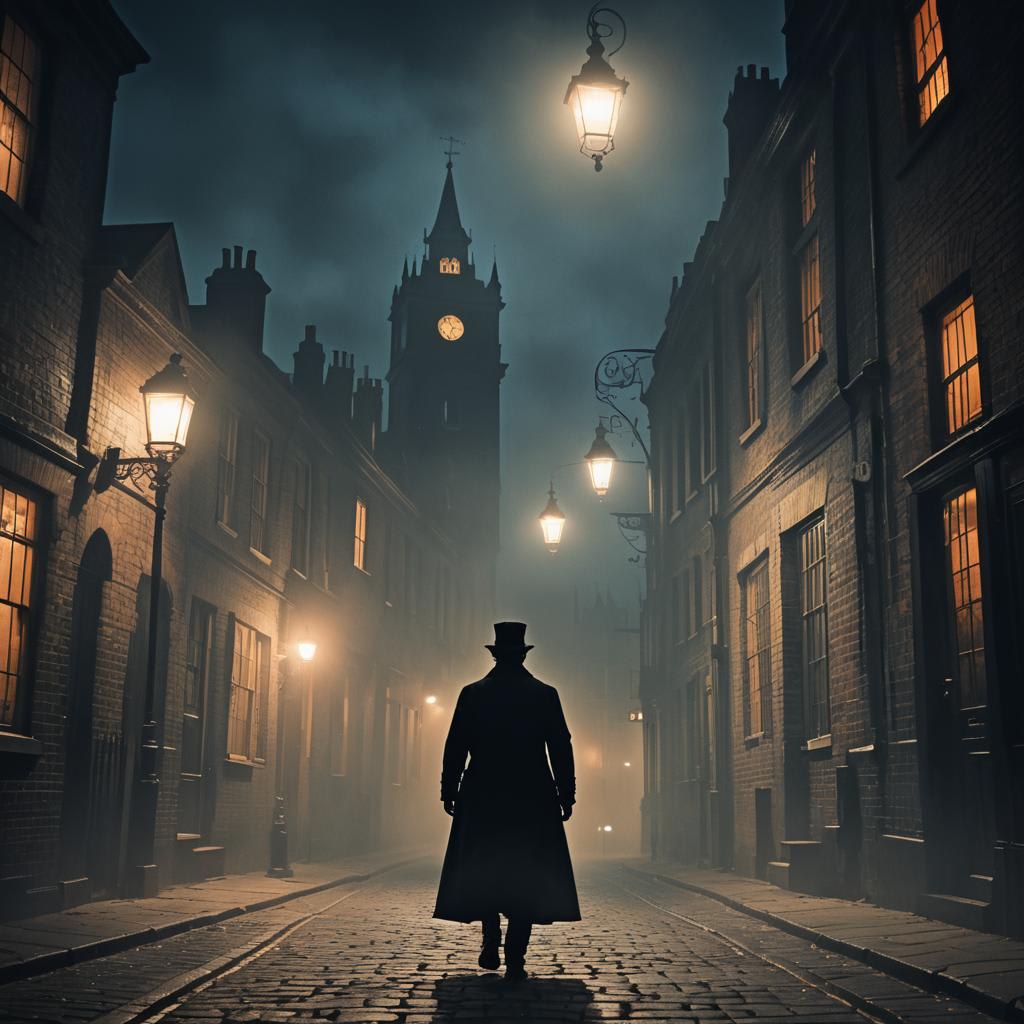
The name “Jack the Ripper” evokes images of gaslit London streets and brutal, unsolved murders. For over a century, the identity of this infamous serial killer has captivated true crime enthusiasts, sparking countless theories and debates. The historical significance of this case, set against the backdrop of a rapidly changing London during a period of significant social and political upheaval, adds a layer of intrigue that continues to fascinate readers. This article explores the world of Jack the Ripper suspects, exploring the most prominent candidates and the evidence, or lack thereof, linking them to the crimes. Enjoy, true crime fans.
The Usual Suspects: A Gallery of Profiles
The investigation into the Whitechapel murders yielded an array of potential suspects, ranging from the plausible to the outlandish. Let’s examine some of the most frequently cited names:
Aaron Kosminski: Perhaps the most persistently discussed suspect, Kosminski, a Polish immigrant, has been the focus of recent DNA analysis. A shawl allegedly belonging to Catherine Eddowes, one of the victims, reportedly contained traces of Kosminski’s DNA and that of Eddowes. However, the validity and interpretation of this evidence remain highly debated among experts, with many expressing skepticism about the shawl’s methodology and chain of custody. The fact that Kosminski was known to have mental health issues further fueled speculation, but alone, this is insufficient to establish guilt.
Montague John Druitt: A barrister, Druitt was initially considered a strong suspect due to his apparent suicide shortly after the final canonical murder. However, the connection between his death and the Ripper’s crimes remains circumstantial. The timing of his suicide was suspicious, but there’s no concrete evidence linking him to the murders beyond proximity and speculation.
Francis Tumblety: An American quack doctor and charlatan, Tumblety’s flamboyant personality and history of violence made him a compelling suspect. He was known for his hatred of women and was in London during the time of the murders. Though often cited in sensationalist accounts, the evidence against Tumblety remains largely circumstantial.
Walter Sickert: This renowned painter became a suspect much later, with proponents pointing to alleged symbolic representations of the murders in his artwork. This theory, however, is highly speculative and relies heavily on interpretation, lacking concrete forensic or testimonial evidence.
Other suspects frequently mentioned in various books and documentaries include:
- Jacob Isenschmid: A German immigrant with a history of violence.
- Seweryn Kłosowski: Another Polish immigrant who lived in Whitechapel.
- Michael Ostrog: A Russian con artist and petty criminal.
- John Pizer: A Polish shoemaker known to frequent Whitechapel.
- James Thomas Sadler: A man with a history of violent behavior.
- Prince Albert Victor: This far-fetched theory suggests royal involvement, fueled by conspiracy theories and a lack of conclusive evidence.
The Challenges of Investigation: Why the Case Remains Unsolved
The lack of a successful case result in the Jack the Ripper case stems from several factors:
- Limited Forensic Technology: The forensic techniques available in 1888 needed to be more extensive, leaving investigators with scant physical evidence. DNA analysis was not yet a possibility.
- Circumstantial Evidence: Much of the evidence relied upon is circumstantial, making it difficult to definitively link any suspect to the crimes.
- Lack of Eyewitness Testimony: Reliable eyewitness accounts were few and far between, hindering the investigation.
- The “Jack the Ripper” Letters: While police received some letters purportedly from the killer, their authenticity is debatable, further complicating the case.
Beyond the Usual Suspects: Exploring Less Conventional Theories
While the above suspects dominate discussions, other less-discussed possibilities exist, including the theory suggesting multiple killers were involved or even that the “Jack the Ripper” persona was a fabrication used to sensationalize the events. The lack of clear patterns in the murders also fuels this debate.
The Enduring Fascination: Why We Still Seek the Ripper’s Identity
The Jack the Ripper case continues to fascinate because it represents a confluence of several compelling elements:
- Unsolved Mystery: The enduring lack of a definitive answer fuels speculation and endless investigation.
- Historical Context: The murders occurred during a period of significant social and political upheaval in London, adding a layer of historical intrigue. The Jack the Ripper case continues to fascinate because it represents a confluence of several compelling elements: Psychological Profiling: The brutality and precision of the crimes have sparked countless discussions about the killer’s psychology and motivations.
- Media Sensationalism: The sensationalized reporting surrounding the case played a significant role in creating the enduring legend of Jack the Ripper.
Conclusion: The Ongoing Search for Truth
While DNA evidence and various theories have pointed towards several potential suspects, the true identity of Jack the Ripper remains elusive. The case serves as a stark reminder of the limitations of forensic science in the 19th century, where the techniques were not as advanced as they are today, and the enduring challenges of solving complex crimes. The ongoing fascination with this case underscores our innate human desire to understand the dark side of human nature and our relentless pursuit of justice, even when it seems forever out of reach. The mystery of Jack the Ripper will likely continue to captivate and challenge us for generations to come. Your thoughts and theories are an integral part of this ongoing investigation.
About the Creator
MJonCrime
My 30-year law enforcement career fuels my interest in true crime writing. My writing extends my investigative mindset, offers comprehensive case overviews, and invites you, my readers, to engage in pursuing truth and resolution.
Casting Stones from Crystal Walls: Tracing the 'Corrupt Crusade' Against Kiernan Major
Ever since the dubious arrest of upstate New York native Kiernan Major, an unforgiving odor has lingered among his close associates, friends and supporters—an odor that calls into question nearly everything that has lead up to and followed his incarceration. More than two years prior to his arrest, Major had founded a private intelligence and security consulting firm based in San Francisco's financial district. Stacked with ex-military and intelligence personnel. The founding members spent years methodically scanning military, academic, and intelligence networks for their shared antipathy toward the so-called "military-industrial complex."
By Charlie A. Millera day ago in Criminal



Comments
There are no comments for this story
Be the first to respond and start the conversation.