
Jack The Ripper Murders: What If They Happened Today?
What Would Be The Influence of Modern Social Media?

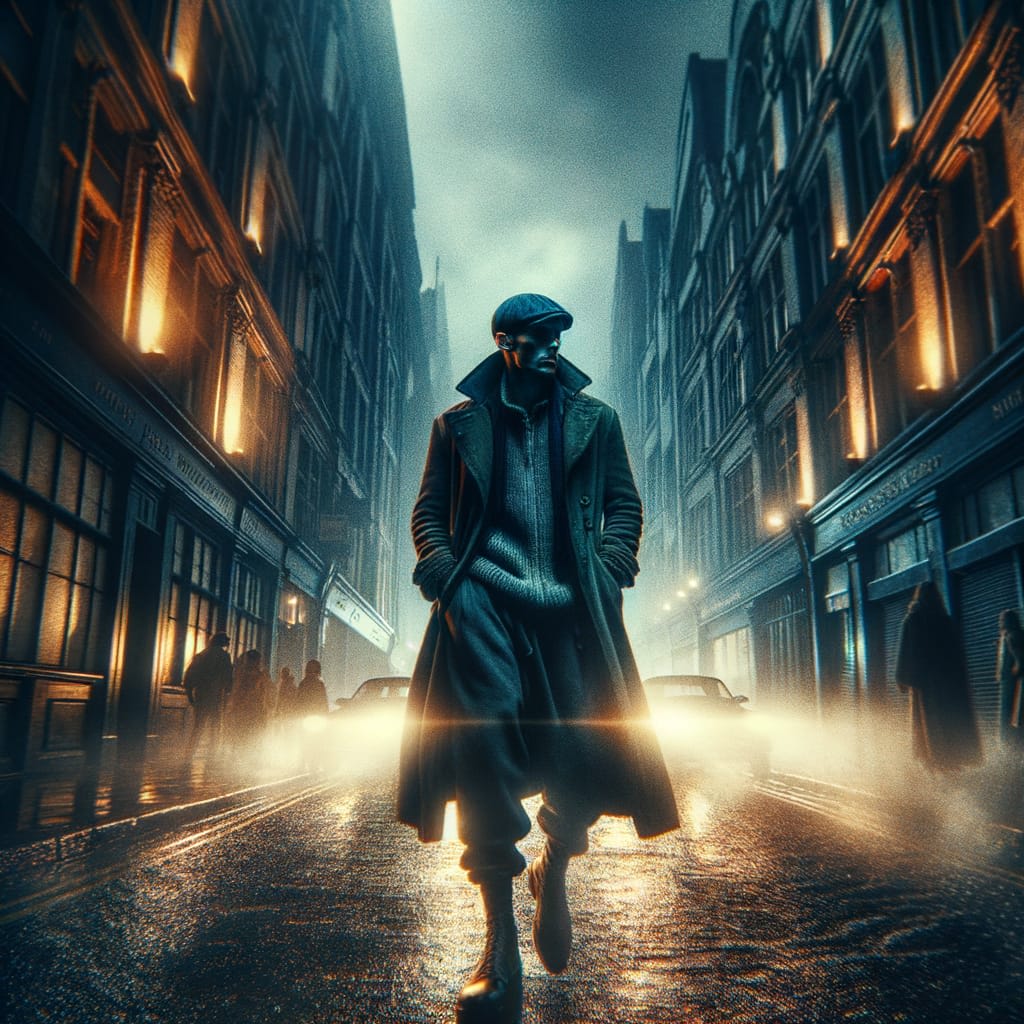
Hello, my fellow True Crime Fans. What do you think about this idea? Why don’t we analyze and examine social media’s potential influence on public perception and media coverage if the Jack the Ripper murders occurred in the present day?
Our Considerations:
Now, what should we consider when conducting this analysis? Let us consider:
- Analyze how social media platforms like Twitter, Facebook, and Instagram would impact public perception.
- Evaluate the role of user-generated content, misinformation, and viral trends in shaping narratives.
- Explore the interaction between traditional media and social media and how it would affect the coverage of such events.
Example of topic Analysis:
- Social Media’s Impact on Perception
- Platform Usage includes Twitter’s role in real-time updates and Facebook’s community discussions.
- Narratives include how rumors or speculations could gain popularity.
Other Factors
Let us consider how real-time information, emotional reactions, and online communities can uniquely shape the narratives around these crimes in Today’s social media climate.
Let’s Go!
With all this in mind, let’s start our analysis. What if Jack the Ripper struck Today?
The Influence of Social Media on the Jack the Ripper Murders in the Present Day
If the infamous Jack the Ripper murders had occurred in the modern era, social media would have altered public perception and media coverage, democratized information, and influenced the investigative process. Platforms like Twitter, Facebook, Instagram, and TikTok would significantly shape narratives, spread real-time information, and, importantly, amplify misinformation and affect law enforcement and public discourse. This analysis explores these facets, focusing on user-generated content, the virality of misinformation, and the interplay between traditional and new media.
Social Media’s Impact on Public Perception and Awareness
Platform Usage and Real-Time Updates
Today, breaking news spreads instantly, with Twitter (now X) being the primary platform for real-time updates, while Facebook facilitates discussions in groups and communities. Instagram and TikTok would be utilized for visual content, such as crime scene analyses, locations of attacks, and even live updates from investigative journalists or social media users on the ground.
- Twitter (X): Hashtags like #RipperMurders or #JackTheRipper2025 allow users to track updates, share theories, discuss potential suspects, and criticize law enforcement responses.
- Facebook: Private and public groups dedicated to theories and amateur investigations would emerge, creating spaces for debates, conspiracy theories, and leaked reports.
- Instagram & TikTok: Visual storytelling would dominate; crime scene footage, dramatizations, and deep-dive analyses from content creators would go viral.
- Reddit & YouTube: True-crime communities and long-form video discussions would drive speculation, with dedicated subreddits dissecting every clue.
The speed and accessibility of news through social platforms would ensure that public awareness of the crimes reaches a global scale rather than remaining a regional or national phenomenon.
Role of User-Generated Content
Eyewitness Accounts and Amateur Detectives
In the present day, eyewitnesses would immediately post their observations on social media, potentially before law enforcement could control information dissemination. User-generated content would include:
- Citizen Journalism: Live video updates from people near crime scenes, possibly capturing crucial evidence but complicating police investigations in a way that intrigues and involves the public.
- True Crime Influencers & Amateur Detectives: Online sleuths investigating and attempting to solve the case by analyzing forensic evidence, potential suspects, and police reports.
- Digital Vigilantism: Public doxxing and wrongful identification of innocent individuals, leading to harassment or legal consequences.
- Crowdsourced Investigations: Users pool resources to create timelines, examine historical data, and assess crime scene locations.
While some of this content could contribute positively by exposing overlooked details, it could also interfere with official investigations and lead to false accusations.
Misinformation and Virality
The Spread of False Information and Conspiracy Theories
With social media’s ability to spread unchecked data quickly, misinformation would proliferate. Misinformation could originate from:
- Sensationalized or doctored images/videos portraying unrelated events linked to the crimes.
- Deepfake technology generates fabricated suspect confessions or fake witness statements.
- Conspiracy theories linking the murders to secret societies, political motives, or supernatural explanations.
- Pseudoscientific analyses of forensic evidence that mislead the public.
Memes and viral posts would further distort the truth, adding to speculation and hysteria. Public fear could escalate, causing panic within affected communities. Additionally, hoaxes claiming responsibility for the murders could emerge, which might mislead law enforcement.
Traditional vs. Social Media: A Shift in Influence
The Relationship Between Traditional Journalism and Social Platforms
Legacy media (newspapers, TV, and radio) would now have to coexist with social media platforms. The challenge for traditional media would be:
- Fact-checking vs. Speed: Legacy media would be pressured to publish stories quickly to compete with the immediacy of Twitter/X and user reports, sometimes leading to premature or inaccurate reporting.
- Reliance on Social Media Trends: Traditional media might report on trending theories without verifying credibility, amplifying misinformation unintentionally.
- Public Distrust of Authorities and Media: Online communities might question official statements from police and debunk mainstream media narratives, further dividing the audience.
Conversely, responsible journalism is a powerful tool in countering misinformation. Investigative reporting could be critical in refuting false claims and redirecting focus toward credible evidence, providing a sense of reassurance to the audience about the role of traditional media.
Our Conclusion
If the Jack the Ripper murders occurred Today, social media would have a transformative impact on public engagement, the spread of information, and the investigative process. While platforms allow for increased awareness, decentralized reporting, and potential citizen contributions, they amplify misinformation, online vigilantism, and mass hysteria. However, it’s important to note that social media can also facilitate positive outcomes, such as the rapid dissemination of crucial information, the mobilization of public support, and the potential for citizen contributions to investigations. The balance between public participation and responsible journalism would ensure justice and truth prevail.
The case would not only be a murder investigation but also a study of how digital technology influences crime narratives, potentially affecting how law enforcement operates in high-profile criminal cases.
If you enjoy my writing, would you consider a $1.00 tip using the Vocal Media tipping link? Thank you!
About the Creator
MJonCrime
My 30-year law enforcement career fuels my interest in true crime writing. My writing extends my investigative mindset, offers comprehensive case overviews, and invites you, my readers, to engage in pursuing truth and resolution.
Push To Prevent Catapults Being Bought By Children
MP’s have been warned to put new legislation in place that will help to close a loophole in the law which allows people including children to legally buy weapons which is capable of killing wildlife. The alert was issued during a briefing in parliament which set out growing evidence that catapults were being misused against animals and to damage other people’s private property. The Naturewatch Foundation who hosted the session expanded on their message that at the moment there is a completely unregulated system where people of any age can buy weapons and there are no meaningful controls on sale or power.
By Ashish Prabhu4 days ago in Criminal


Comments
There are no comments for this story
Be the first to respond and start the conversation.