
Jack the Ripper 2.0
A Digital Nightmare
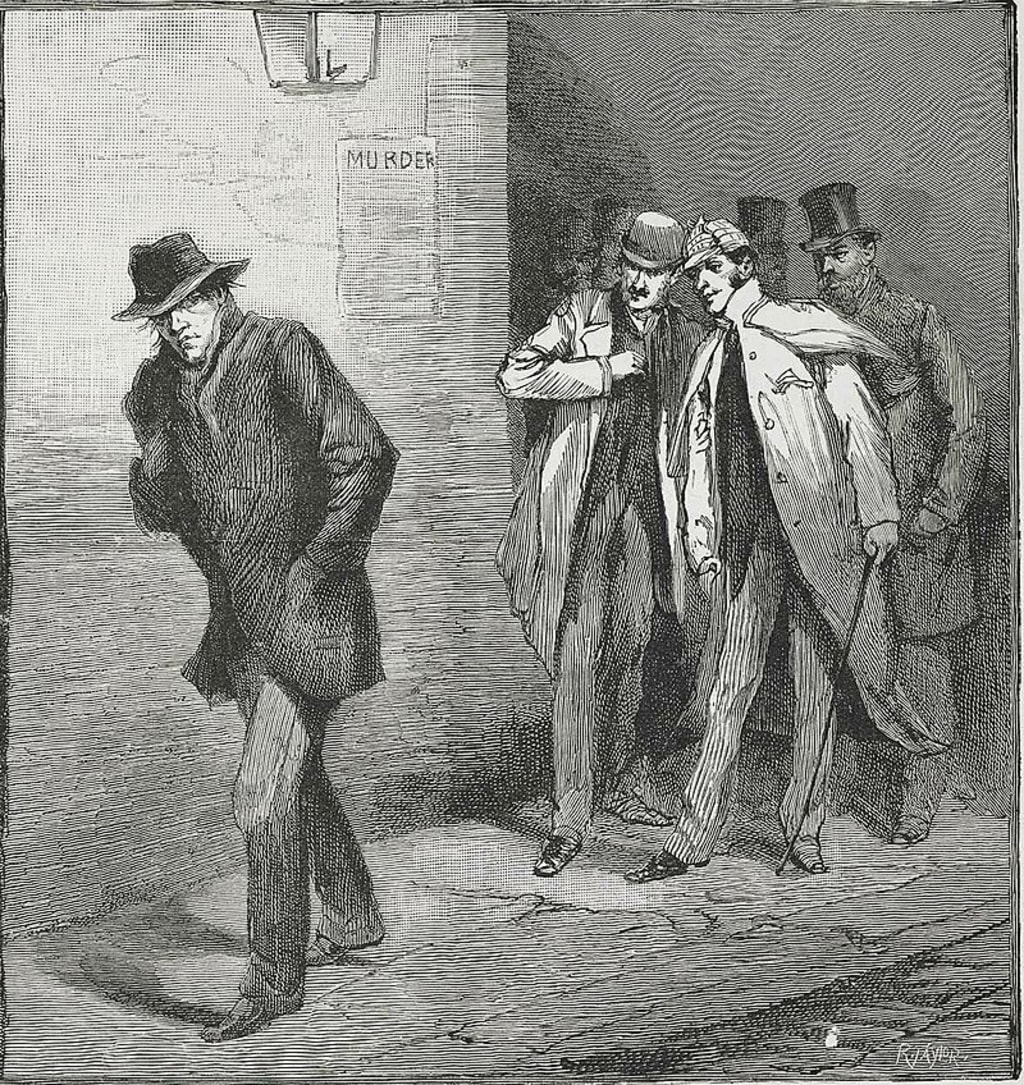
In the heart of London, where the fog once shrouded the sinister deeds of a notorious killer, a new terror was brewing. But this time, the threat wasn't a shadowy figure lurking in the gaslit streets; it was a digital specter, a ghost in the machine.
Meet Jerry, a self-proclaimed "cyber sleuth," a man with a penchant for the dramatic and a penchant for the latest tech gadgets. He’d recently stumbled upon a powerful AI tool capable of generating hyper-realistic deepfakes. Thrilled by the possibilities, Jerry decided to play a prank on the local police force. He crafted a series of gruesome, AI-generated crime scene photos, each more horrific than the last, and sent them to the authorities, claiming to be the reincarnated Jack the Ripper.
The police, ever vigilant, immediately launched a full-scale investigation, Operation: Ripper 2.0. A crack team of detectives, armed with the latest forensic tools and a healthy dose of skepticism, was tasked with tracking down the digital menace. They combed through countless hours of CCTV footage, analyzed intricate patterns of cyber traffic, and interrogated a myriad of potential suspects, all the while the city was gripped by a wave of fear and paranoia.
As the investigation intensified, Jerry watched with a mixture of amusement and disbelief. His prank had spiraled out of control, and he was now the center of a city-wide manhunt. He'd underestimated the power of his creation, the terrifying potential of AI to blur the lines between reality and fiction.
Meanwhile, the city was gripped by a wave of hysteria. People were afraid to walk alone at night, and businesses were losing customers. The once-bustling streets were now deserted, a shadow of their former selves. Social media was flooded with theories and conspiracy, each more outlandish than the last. Some blamed foreign hackers, others alien intervention, and still others, a secret government experiment gone wrong.
As the days turned into weeks, the pressure on the police mounted. The public was demanding answers, and the media was relentless in its coverage. The detectives, under the intense scrutiny, were working around the clock, but they were no closer to solving the case.
Finally, a breakthrough came in the form of a digital footprint. A skilled cybercrime analyst managed to trace the origin of the deepfake images to a specific IP address. With this crucial piece of evidence, the police were able to narrow down their search to a single location: Jerry's modest flat.
When the police arrived, they found Jerry, still in his pajamas, surrounded by blinking screens and half-eaten pizza boxes. He was shocked and bewildered, unable to comprehend the gravity of his actions. He had created a monster, a digital phantom that had terrorized an entire city.
In the end, Jerry was arrested and charged with public disorder and causing unnecessary alarm. As he was led away in handcuffs, he couldn't help but reflect on the consequences of his actions. He had learned a valuable lesson about the power of technology and the importance of using it responsibly.
The case of Jack the Ripper 2.0 served as a stark reminder of the dangers of unchecked technological advancement. It highlighted the need for ethical guidelines and regulations to govern the development and use of AI. And it showed that even the most innocent of intentions can have far-reaching and devastating consequences.
About the Creator
Dr. S.G. Mohammed Hussain
Welcome to a world where forgotten legends, unsolved mysteries, and dark histories come alive. Through gripping storytelling, I dive deep into the human psyche — exploring not just what happened but why it still matters today.
Keep reading
More stories from Dr. S.G. Mohammed Hussain and writers in Criminal and other communities.
"The Last Ride"
Chapter 1: The Stranger on the Bicycle The evening air smelled of damp earth as Bella Wright pedaled through the quiet lanes of Little Stretton, her brown curls bouncing beneath her bonnet. She knew the roads well, winding through farmlands and forests that stretched for miles. Her workday at the factory had ended late, and though the sun was slipping beneath the horizon, Bella wasn’t worried. She’d taken this route home countless times.
By Dr. S.G. Mohammed Hussain about a year ago in Criminal
For Survivors of Assault and Battery: When to Call the Police and Why It Matters
Calling the police in a moment of danger can be one of the most important decisions a person makes. Although it doesn't solve every problem and may not be the right choice in every situation, when safety is at risk, involving law enforcement can be the most effective way to prevent further harm and create the legal foundation needed for restraining orders, criminal charges, and civil claims.
By jason escoto7 days ago in Criminal
🅼🅸🅳🅽🅸🅶🅷🆃 🆂🅽🅰🅲🅺🆂
"It's 10 in Tuscon! We all know what that means... It's Time for Midnight Snacks with your man, Gerald Gee! Ready to spend the night together? Me too! I'm full of snacks and can't wait to regurgitate them all back into your hungry ears. Crack a brew! Pop some corn! Anything to get ready for one hell of a show where the talk maybe cheap but the words cut deep...
By Lamar Wiggins3 days ago in Fiction


Comments
There are no comments for this story
Be the first to respond and start the conversation.