
Inside the Sordid World of Jeffrey Epstein and What His Troubling Emails to Women Really Reveal
What Epstein’s emails reveal—and what remains hidden

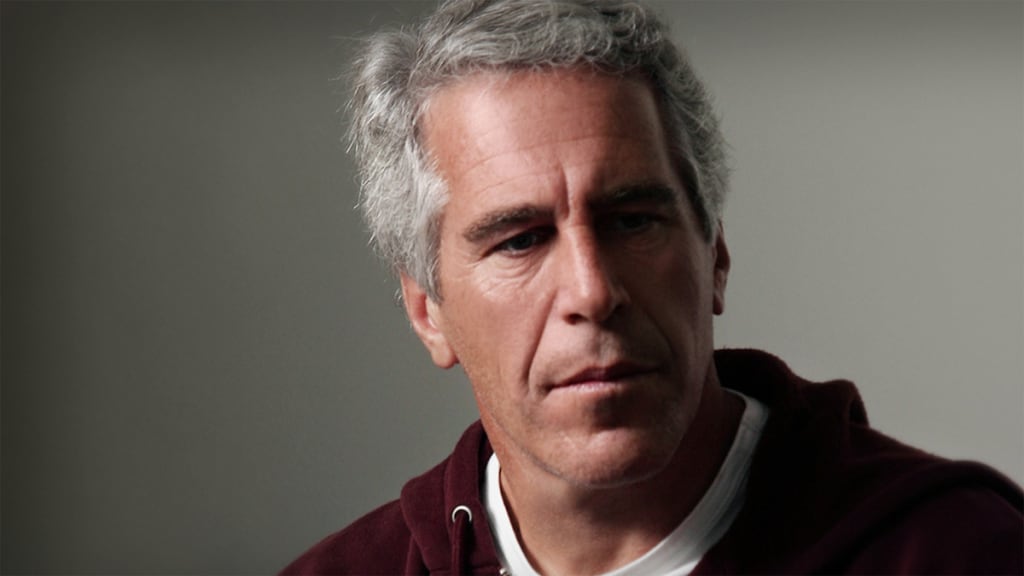
There’s something almost hypnotic about the Epstein document archive. Sitting down to explore it isn’t just research—it’s immersion. Hours disappear as you scroll through emails, attachments, and fragments of conversations that hint at a larger system operating behind the scenes. The sheer volume alone is overwhelming. And yet, paradoxically, what’s most striking isn’t what’s there. It’s the constant awareness that much more may still be missing.
Estimates about the size of the archive vary dramatically. Some reporting has suggested the public has only seen a tiny fraction—perhaps as little as 2%. But the Department of Justice has referenced numbers as high as six million total documents, with roughly three million released. Even those figures raise questions. What qualifies as a “file”? Is it a single email? A chain? An attachment? The ambiguity makes it impossible to know how complete the public record truly is.
That uncertainty shapes everything. This isn’t a finished story. It’s a puzzle without a confirmed edge, and no one knows how many pieces exist.
A Pattern Hidden in Plain Sight
What becomes clear quickly is that many emails center on women—specifically introductions, referrals, and arrangements. Some messages appear casual on the surface, but their context raises troubling questions.
There are repeated references to women being introduced from Eastern Europe, Russia, and elsewhere. Often, the tone resembles that of recruitment, but without clarity about the nature of the opportunity. Epstein was not a modeling agent, yet he frequently discussed potential candidates, requested photographs, and commented on their age and suitability.
In several exchanges, associates forwarded information about women’s availability, appearance, or travel plans. Others referenced arranging visas or coordinating travel logistics. These communications suggest a structured system—one that relied on intermediaries, international contacts, and ongoing coordination.
What makes these messages particularly unsettling is their frequency. This wasn’t an isolated occurrence. It was routine.
The Language of Transaction
Perhaps the most revealing aspect of the archive is the language itself. Words like “introduce,” “arrange,” and “meet” appear repeatedly. But beyond those neutral terms are phrases that suggest something more transactional.
In one exchange, a woman expressed frustration that becoming a “mistress” appeared to be the only opportunity seriously offered to her. She framed it explicitly as a job proposition. That wording matters. It implies an expectation of exchange—status, access, or financial support in return for personal or intimate involvement.
Other emails referenced coordinating medical appointments, including gynecological visits. These arrangements appeared to be handled administratively, as if they were part of a larger operational process rather than personal decisions.
Taken together, these details paint a picture not of random relationships, but of a structured environment with defined roles and expectations.
After Prison, a Shift in Strategy
Epstein’s 2008 conviction marked a turning point, but the emails suggest his activities did not simply stop. Instead, they appear to have evolved.
Before his imprisonment, investigators in Palm Beach had documented a pattern involving high school girls, recruitment through intermediaries, and a pyramid-style network of referrals. After his release, the archive suggests a shift toward adult women, many connected to the modeling world or introduced through industry contacts.
This distinction matters legally and ethically. While the involvement of adults changes the legal framework, it does not erase concerns about coercion, power imbalance, or exploitation. Epstein’s wealth, connections, and influence created an environment where opportunities and access were intertwined with personal expectations.
The emails hint at mentorship, introductions to powerful figures, and promises of advancement. But they also suggest a dynamic where those benefits came with implicit conditions.
Parallel Worlds: Wealth, Influence, and Surveillance
The Epstein archive also reveals how his personal activities intersected with his professional and political networks. He communicated with scientists, billionaires, government officials, and public figures. These relationships existed alongside the recruitment and coordination efforts described in other emails.
This overlap raises profound questions about influence and accountability. Epstein wasn’t operating in isolation. He was embedded in elite networks that spanned industries and continents.
There’s also evidence suggesting he understood he was being watched. Reports indicate surveillance in some of his residences, and given the prominence of his contacts, it’s reasonable to assume his communications attracted attention from intelligence agencies.
If that’s true, then the emails we see today may represent only part of a larger monitored record.
The Limits of What We Can Know
Ultimately, the Epstein archive provides insight—but not closure.
It reveals patterns, relationships, and systems that might otherwise have remained hidden. It confirms coordination, recruitment, and a structured network of introductions and arrangements. But it does not answer every question.
There is no single document that explains everything. No definitive moment that ties every thread together.
Instead, there is accumulation. Piece by piece, email by email, a picture emerges.
Even without every piece, the outline is visible. And what it shows is disturbing: a world where wealth and access created opportunities—but also enabled behavior that thrived in secrecy, ambiguity, and power imbalance.
The Epstein library doesn’t provide final answers. But it does something equally important.
It reveals enough to understand the shape of the truth.
About the Creator
Lawrence Lease
Alaska born and bred, Washington DC is my home. I'm also a freelance writer. Love politics and history.
Keep reading
More stories from Lawrence Lease and writers in Criminal and other communities.
Polygraphs, Border Questions, and the Long Wait: Inside the Latest Developments in the Nancy Guthrie Investigation
They line the front of the property in quiet rows, most of them yellow, placed there by neighbors and strangers alike. They represent something simple but powerful: hope. Even as the investigation moves forward behind closed doors, the physical presence of those flowers is a reminder that Nancy is not forgotten.
By Lawrence Leasea day ago in Criminal



Comments
There are no comments for this story
Be the first to respond and start the conversation.