
Inside the Chilling World of Online Death Cults
Unveiling the Hidden Communities That Prey on Vulnerable Minds in the Shadows of the Internet

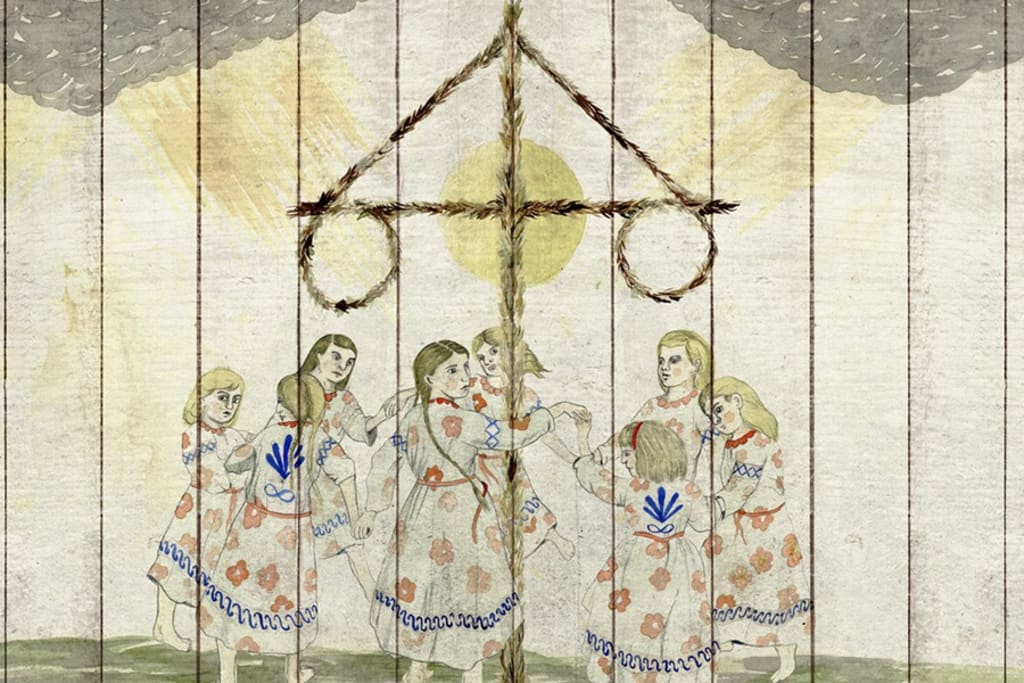
It all started with a rumor — whispers about a hidden side of the internet where death isn’t just talked about, but embraced. I’d heard about these places before, online death cults and suicide forums, lurking in the shadows of the digital world. Curiosity got the better of me, and I began researching, digging into the stories, the testimonies of those who had encountered these dark corners. The more I uncovered, the more I realized how terrifyingly real they were.
These forums are not on your typical social media sites. They’re buried deep, hidden on platforms that thrive on anonymity, far removed from the bright, polished world of Instagram or Twitter. To the untrained eye, some may look like spaces for people who are simply struggling — places where those in pain can talk openly about their feelings. But beneath that façade is something much more sinister.
The language in these groups is deceptive. It’s gentle, almost soothing, designed to lure in people who feel lost, isolated, or overwhelmed by life. Death is romanticized as a solution, an escape. Members speak of it as though it’s a natural, almost peaceful way to solve the unbearable weight they carry. They offer comfort, not in life, but in the idea of letting go. These forums are like a poison slowly seeping into the minds of the vulnerable.
One of the scariest things about these groups is the sense of community they build. They prey on loneliness, offering a deadly kind of belonging. For someone struggling with mental health, who feels invisible or unsupported, these forums can feel like a lifeline. But it’s a false one. Instead of pulling people back from the edge, they push them closer to it, gently encouraging them to let go.
It’s not uncommon to find users openly discussing “methods” in these spaces — detailing ways to end their lives with chilling precision. They don’t stop at vague suggestions. These instructions can be shockingly specific, offering guidance that no one should ever receive, and doing so in a way that makes death seem like the natural conclusion to life’s hardships.
There are too many stories of lives lost after visits to these forums. Some of the most vulnerable are lured in by group members who scout mental health spaces or even social media profiles, identifying those on the brink. They start with small messages of understanding, but quickly invite these individuals into darker, more private spaces, where the tone shifts from empathy to a quiet acceptance of death. They plant seeds of hopelessness, reinforcing the idea that there’s no point in fighting, no way out except through death.
What’s terrifying is how subtle it all is. These aren’t wild-eyed cultists shouting about death; they’re people with usernames who seem calm, supportive, even compassionate. The grooming process is gradual. They build trust, slowly convincing those who are desperate that their pain can only end by embracing death.
Some of these groups even hide behind the label of “pro-choice” spaces, claiming they’re not encouraging anyone to die but simply offering a space where people can talk about it without judgment. But that freedom comes at a price. What starts as a discussion about feelings of despair often morphs into a community where death is normalized, accepted, even celebrated. And that normalization is deadly.
The tragic outcomes are all too common. Lives are lost — often quietly, without fanfare. You’ll hear of young people found dead with no obvious sign of why, and then months later, someone will mention they’d been active in these forums. Sometimes the police find messages left on the computer, heartbreaking final notes shared with strangers online, while loved ones had no idea what was happening. It’s a terrifying reminder of how easy it is to slip into the darkness of the digital world, unnoticed by those in the real one.
What’s even more disturbing is that, despite some efforts by law enforcement and internet platforms to shut these spaces down, they always seem to resurface. Anonymity gives them power, and they thrive in the hidden layers of the web where it’s difficult to track or police them. When one site is closed, another takes its place, and the cycle of despair continues.
While I haven’t personally ventured into these forums, the research alone left me shaken. I’ve read the testimonies of survivors, those who were lucky enough to find help before it was too late. They speak of how easy it was to get drawn in, how comforting the community felt at first, and how quickly that comfort turned into something dark and irreversible. They are the lucky ones — the ones who saw through the lies before they could take root. Others, tragically, weren’t so fortunate.
So what can be done? Shining a light on these dark corners is one step. By talking about these groups, exposing how they operate, and how they target the vulnerable, we can start to dismantle their power. But more than that, it’s about offering real, tangible support to those who are struggling. No one should ever feel like their only option is to turn to an anonymous stranger on the internet for help with something so serious.
If you or someone you know is feeling lost or desperate, these forums are not the answer. There is help, real help, and hope that can be found in the world beyond the screen. Don’t let the whispers from the void convince you otherwise. Reach out to someone, find your voice in the real world, and know that there are people who truly want to help — people who will hold on to you when you can’t hold on for yourself. You are not alone, no matter how loud those dark voices may seem.
Thank you for reading!
If you find this piece interesting, please leave a heart, comment, or even subscribe! Your support means a lot to me as a writer!
About the Creator
Victoria Velkova
With a passion for words and a love of storytelling.
Keep reading
More stories from Victoria Velkova and writers in Criminal and other communities.
The Dark Web’s Hidden Horrors: The Internet’s Darkest Secret
The dark web is a shadowy underworld where the internet’s darkest desires are only a click away. It’s the digital wild west, a place where lawlessness reigns and anonymity is currency. When most of us think of the internet, we picture Facebook, YouTube, or Netflix. But beneath this surface, there’s a hidden layer — a place where illicit trades happen, and the most sinister of human instincts find a home.
By Victoria Velkovaabout a year ago in Criminal
Ken Childs and the Shadow Network Behind Celebrity Surveillance
Hollywood is no stranger to intrigue. Behind the red carpets, blockbuster premieres, and glamorous headlines lies a parallel world where privacy is fragile and information can be extremely valuable. Over the years, celebrities have faced stalkers, hackers, and fraud schemes designed to exploit their wealth and visibility. Recently, reports circulating online have drawn attention to a controversial narrative involving private investigator Ken Childs and allegations that place him near the center of a disturbing story about celebrity surveillance.
By Shane Smith7 days ago in Criminal
Murdering the love of Sarah Maguire
January 2022, it was a cold winter in Tulsa, Oklahoma, one that felt colder than most for some of us in the city. If one were to be out in the evening air of the cold, it was bone chilling to the soul. On an evening like this one who wouldn’t enjoy a good home cooked meal by someone who seemed to care about them? Right, Folks?
By Cassie Moore4 days ago in Criminal



Comments (1)
Interesting ✍️♦️♦️♦️please read my writings too 🙏