
How a Small Town Covered Up a Major Crime
The Quiet Conspiracy No One Talks About

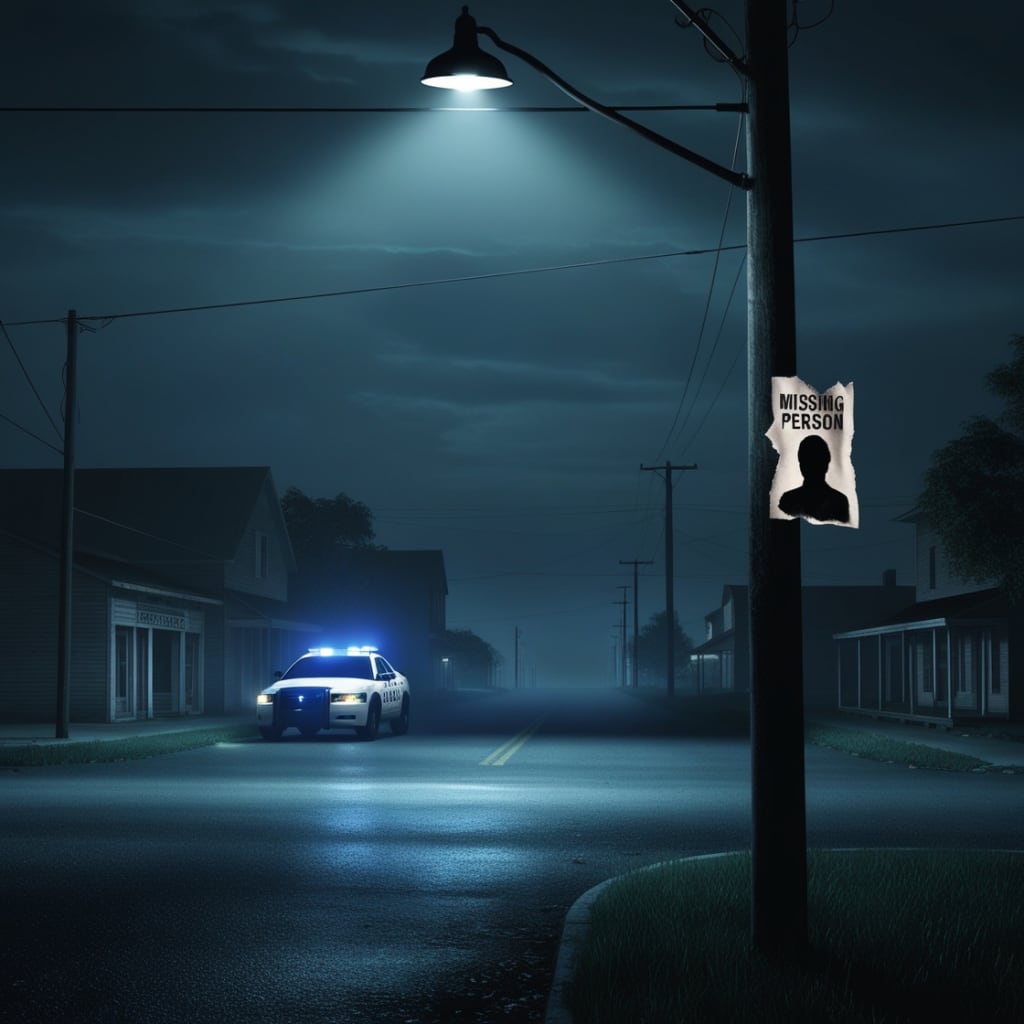
Small towns often carry a reputation for charm, closeness, and quiet streets. But sometimes, behind that peaceful surface lies something darker—secrets people are willing to bury to protect their own. In many places, it’s not the size of the crime that determines justice, but the power of those involved and the fear of shattering the town’s image. I never expected to witness it firsthand, but I did. And what I saw changed how I see justice forever. This is the story of how a small town covered up a major crime—and why no one ever talks about it.
It started like any ordinary local scandal—whispers about a car accident that didn’t quite add up. Late one night, a teenager was found dead on the side of the road just outside of town. The official story was that he had been walking home drunk, lost his balance, and fell into the path of an oncoming car. It was tragic, but not suspicious—at least, that’s how they painted it.
But the town knew differently. People talked. Not openly, but in hushed tones over coffee, in barbershops, in corners of the grocery store. Everyone knew who had been behind the wheel that night—a well-connected young man, the son of one of the town’s most powerful families. A judge’s nephew. The boy who could do no wrong.
The incident should have led to a full investigation. There were inconsistencies. The time of death didn’t match the last known location of the victim. The car had no damage. The scene had clearly been cleaned up. Witnesses were suddenly quiet or had left town altogether. The medical examiner’s report was sealed within hours. Yet the town sheriff—an old friend of the judge—closed the case before it even began. “No foul play,” he said. “Just a tragic accident.” And that was that.
But it wasn’t just one man making the decision. It was a network of protection—an invisible agreement that some things were better left untouched. Teachers, officers, and even local journalists seemed to back away from the story. A local reporter tried to write about it, but her article was pulled by the editor before it hit the front page. She quit the next day. No one filled her position.
It’s easy to think this kind of thing only happens in movies, but small-town politics are real—and dangerous. Everyone knows everyone. If you cross the wrong person, your business suffers. Your kids get treated differently in school. Your family’s name becomes a quiet curse. And so, people don’t speak. They protect their own. And the truth dies quietly, like a whisper in the wind.
I remember visiting the victim’s mother a few weeks later. She was devastated, but it wasn’t just grief in her eyes—it was fear. “They said it was an accident,” she told me, “but I know it wasn’t. And I can’t do anything about it.” She had tried, at first. She asked questions, demanded transparency. But soon after, her tires were slashed. Her mailbox destroyed. Friends stopped calling. She was warned to stop “digging up old dirt.”
In a place where justice is personal, and silence is survival, corruption doesn’t need to scream. It just needs to whisper to the right people. The boy who died that night became a name they rarely mentioned anymore—except by those who remembered, and those who still whispered. The boy behind the wheel? He went on to college out of state. His family made sure his record was clean. He came back years later and ran for city council. He won.
The most haunting part of it all wasn’t the crime itself, but the way the town moved on—as if nothing had happened. There was no memorial. No plaque. Just an empty ditch on the side of the road, now overgrown with weeds. Justice wasn’t just delayed; it was denied. And the people who could’ve done something chose to protect their image over the truth.
Years later, some of the story has leaked out. A podcast mentioned it once. A TikTok user speculated about the case. But still, no one in town talks. The people who tried to push for the truth either left or fell silent. What remains is a legacy of fear and silence—a reminder that when everyone has something to lose, even the worst crimes can vanish beneath the surface.
What happened in that town isn’t unique. Across the world, small communities often fall prey to the same quiet cover-ups. Crimes that are swept under the rug. Victims who are silenced. Families who are gaslit into doubt. And authorities who twist the law to protect their own. When loyalty becomes more important than truth, justice becomes selective—and the powerful remain untouchable.
There’s a reason why some crimes never make the news. It’s not because they didn’t happen—it’s because someone made sure they disappeared. And in small towns, all it takes is a handful of people with enough influence to decide that silence serves the greater good. That protecting a reputation matters more than seeking the truth.
I’ve left that town now, but the memory lingers. Not just of the crime itself, but of the lesson it taught me: that sometimes, evil doesn’t look like a monster. Sometimes it wears a friendly smile, attends Sunday service, and waves to you from across the street. And sometimes, the biggest crimes aren’t the ones that happen in the dark—but the ones that are buried in plain sight.
About the Creator
Muhammad Asim
Welcome to my space. I share engaging stories across topics like lifestyle, science, tech, and motivation—content that informs, inspires, and connects people from around the world. Let’s explore together!
Keep reading
More stories from Muhammad Asim and writers in Criminal and other communities.
How Forensic Psychology Cracks Criminal Minds
Forensic psychology stands at the fascinating crossroads of psychology and the legal system. It involves applying psychological principles and methods to understand criminal behavior, assist in investigations, and aid legal proceedings. This unique field provides critical insights into why criminals act the way they do, enabling law enforcement agencies to anticipate behaviors and solve crimes more effectively.
By Muhammad Asim9 months ago in Criminal
Inside the Hermit Kingdom: 5 Shocking Ways North Korea Allegedly Funds Its Regime in 2026
For decades, North Korea has been known as the “Hermit Kingdom,” a nation that deliberately sealed itself off from much of the world. Officially called North Korea or the DPRK, it remains one of the most secretive and tightly controlled countries on Earth.
By Areeba Umair2 days ago in Criminal




Comments
There are no comments for this story
Be the first to respond and start the conversation.