
Evil Personified: The Stories of 7 Infamous Serial Killers and Their Shocking Crimes
The Terrifying True Accounts of History's Most Notorious Murderers

Serial killers are notorious for their heinous crimes and the chilling details of their murders. While all serial killers are considered insane and dangerous, there are a few that stand out as the craziest of them all. In this article, we will discuss the 7 craziest serial killers in the world, their motives, and how they were caught.
Ted Bundy:
Ted Bundy was born in 1946 and grew up in a middle-class family in Vermont. Bundy was known for his good looks and charm, which he used to lure his victims to their deaths. He would often pretend to be injured or in need of help to get his victims to approach him. Bundy’s murders were typically brutal and violent, with many of his victims being sexually assaulted and mutilated. He was eventually caught in 1978 when he was pulled over for driving erratically. The police found suspicious items in his car, including a ski mask and a crowbar, and Bundy was eventually linked to several murders. Bundy was executed in 1989.
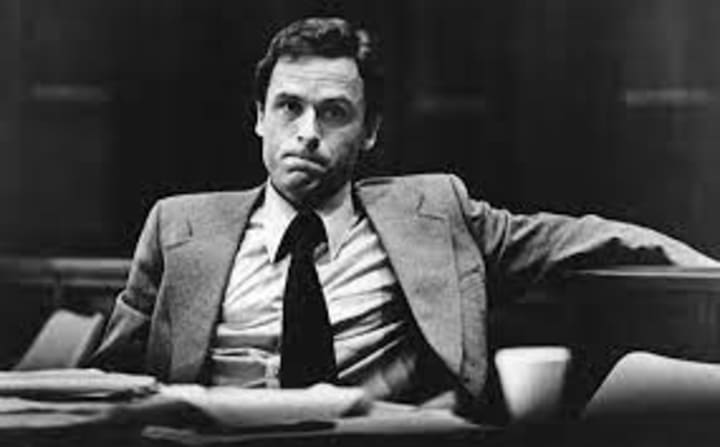
Jeffrey Dahmer:
Jeffrey Dahmer was born in 1960 in Wisconsin. He was known for his bizarre behavior, which included dismembering his victims and keeping their body parts as trophies. Dahmer’s victims were typically young men and boys, many of whom were lured to his apartment with promises of money or alcohol. Dahmer was eventually caught in 1991 when one of his intended victims managed to escape and alert the police. When the police searched Dahmer’s apartment, they found evidence of his crimes, including body parts and photographs of his victims. Dahmer was sentenced to life in prison but was beaten to death by a fellow inmate in 1994.

Andrei Chikatilo:
Andrei Chikatilo was born in Ukraine in 1936. He was known as the “Butcher of Rostov” because of the brutal nature of his crimes. Chikatilo’s victims were typically young women and children, many of whom were lured into secluded areas with promises of food or money. Chikatilo’s motive for the murder was sexual, and he would often mutilate his victims’ bodies. He was eventually caught in 1990 after being identified by a survivor. When the police searched Chikatilo’s home, they found evidence of his crimes, including jewelry belonging to his victims. Chikatilo was executed in 1994.
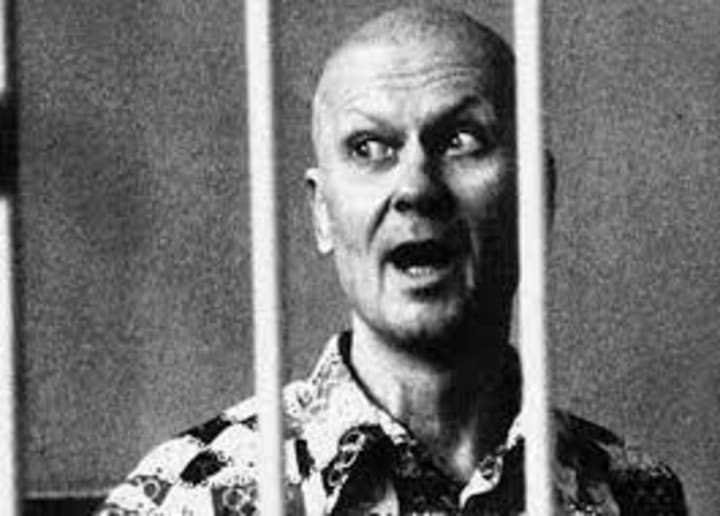
Albert Fish:
Albert Fish was born in 1870 in Washington D.C. He was known as the “Werewolf of Wysteria” because of the brutal nature of his crimes. Fish was a sadomasochist who enjoyed torturing and killing his victims. His victims were typically young children, and he would often eat parts of their bodies after killing them. Fish was eventually caught in 1934 after sending a letter to the family of one of his victims, which led to his arrest. When the police searched Fish’s home, they found evidence of his crimes, including a letter he had written to another victim’s mother. Fish was executed in 1936.
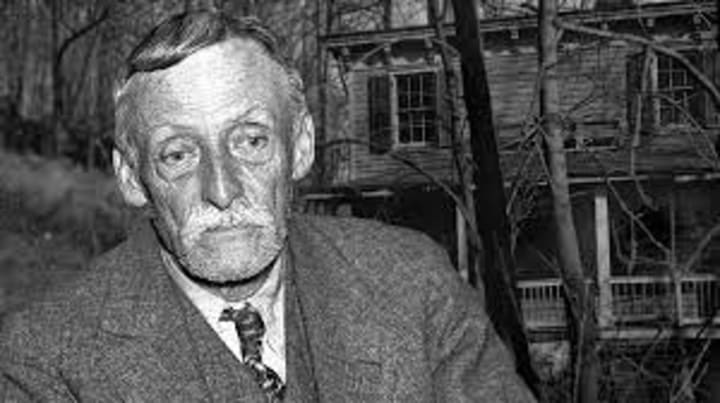
John Wayne Gacy:
John Wayne Gacy was born in 1942 in Chicago. He was known as the “Killer Clown” because he would often dress up as a clown for children’s parties. Gacy’s victims were typically young men and boys, many of whom were lured to his home with promises of work or money. Gacy’s motive for the murder was sexual, and he would often bury his victims under his house. He was finally caught in 1978 after one of his intended victims managed to escape and alert the police. When the police searched Gacy’s home, they found evidence of his crimes, including 33 bodies buried in his crawl space. Gacy was executed in 1994.
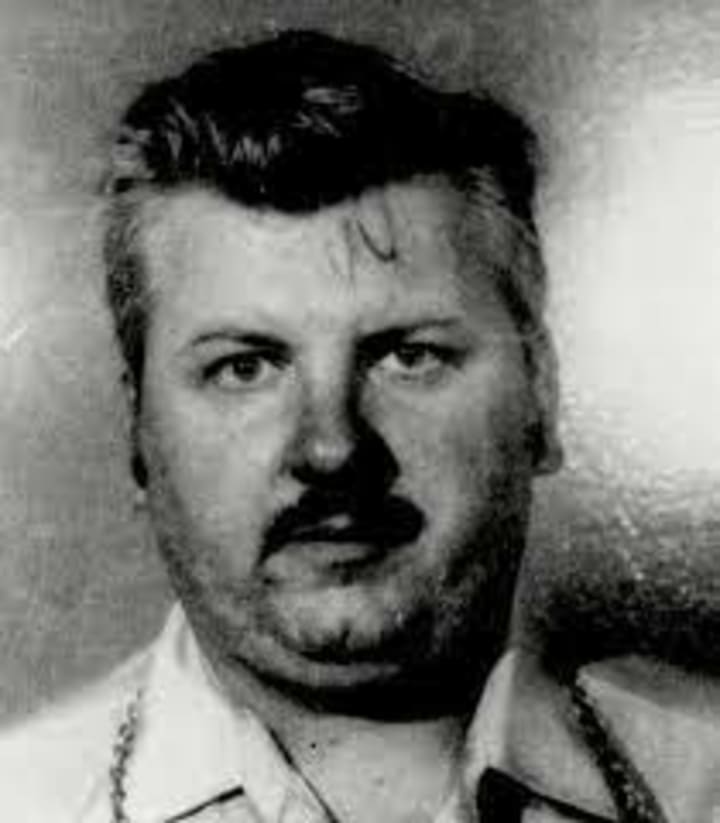
Dennis Rader:
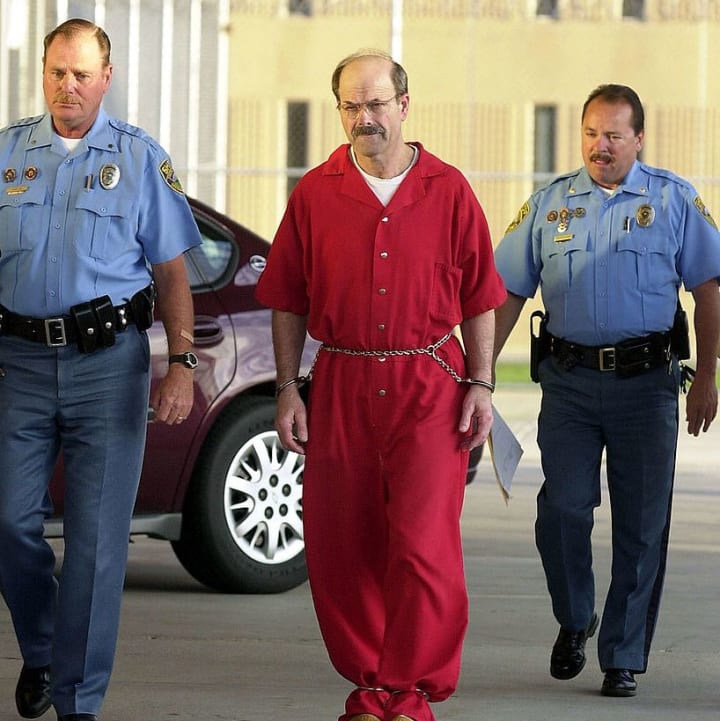
Dennis Rader, also known as the “BTK Killer,” was born in 1945 in Kansas. Rader’s murders were typically premeditated, and he would often stalk his victims before attacking them. His victims were typically women and children, and he would often bind, torture, and kill them. Rader was known for taunting the police and media with letters and messages, which he signed as “BTK” for “Bind, Torture, and Kill.” He was eventually caught in 2005 after sending a floppy disk to the police that contained metadata linking it to his church. When the police arrested Rader, they found evidence of his crimes in his home, including photos and souvenirs from his victims. Rader pleaded guilty to 10 counts of murder and was sentenced to life in prison.
Javed Iqbal:
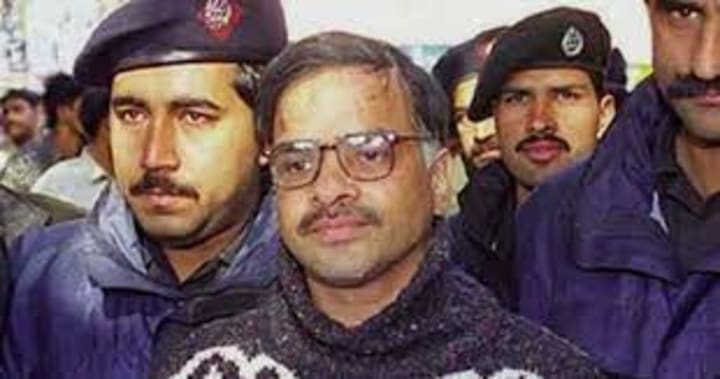
Javed Iqbal was born in 1956 in Lahore, Pakistan. He came from a wealthy family and had a privileged upbringing. However, he was known to be a loner and had few friends. He dropped out of school and never held a steady job, which led to financial difficulties. In the late 1990s, Javed Iqbal began to carry out a series of gruesome murders. He would lure young boys to his house by offering them money or toys. Once he had them in his house, he would torture, rape, and murder them. He would then dispose of their bodies by dissolving them in acid. Javed Iqbal’s crimes were eventually discovered when he sent a letter to the police confessing to the murders. The letter included a list of the names and addresses of his victims’ families. The police were able to track down the families and discovered that their sons were missing. Javed Iqbal was arrested and confessed to the murders. During his trial, Javed Iqbal showed no remorse for his crimes and even boasted about them. He claimed that he had killed the boys because he wanted to take revenge on society for his own perceived injustices. He was found guilty of the murders and sentenced to death. In 2001, Javed Iqbal was found dead in his jail cell. It is believed that he committed suicide by hanging himself. His death brought closure to the families of his victims, but his crimes continue to be remembered as some of the most heinous in Pakistani history.
These seven serial killers are some of the most notorious and infamous in history. Their crimes were brutal and shocking, and their motives were often disturbing and hard to understand. While each of these killers had their own unique methods and motives, they all shared a common thread of violence and a lack of empathy for their victims. Thankfully, they were all eventually caught and brought to justice, but their legacies continue to haunt us to this day.
It is important to note that mental illness is not a direct cause of violent behavior, and most individuals with mental illness are not violent. However, some individuals with certain mental illnesses may be at a higher risk of committing violent acts. The vast majority of individuals with mental illness do not commit violent crimes. It is important to seek help and support for any mental health issues you may be facing. Treatment can help improve symptoms and reduce the risk of violent behavior.
About the Creator
The Killing of Sherry Dawson
The Killing of Sherry Dawson: A True Story of Retaliation, Surveillance, and a $125,000 Drug Deal Gone On the morning of November 5, 2025, 33‑year‑old Sherry Dawson drove to a self‑storage facility located at 6400 Eastex Freeway in northeast Houston. According to investigators, she was simply stopping by to pick up items from her common‑law husband’s unit and was unaware that a deadly storm of criminal retaliation was waiting for her there.
By Organic Products 3 days ago in Criminal




Comments
There are no comments for this story
Be the first to respond and start the conversation.